
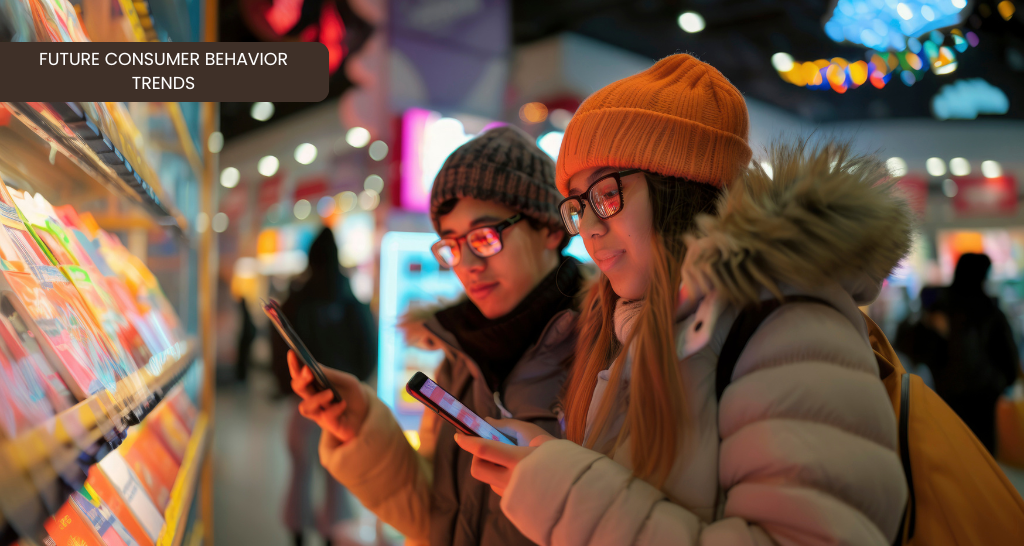
Introduction to Consumer Behavior Trends
Consumer behavior is a crucial aspect of market dynamics, encompassing the decision-making processes individuals engage in when evaluating, purchasing, and utilizing goods and services. Understanding these behaviors allows businesses to anticipate market shifts, as consumer preferences and purchasing patterns evolve over time. This is particularly relevant in today’s fast-paced and technologically driven environment, where shifts can occur rapidly, often influenced by factors such as economic conditions, advancements in technology, and cultural changes.
At its core, consumer behavior refers to the actions individuals take during their buying journeys. This includes recognizing a need, searching for information, evaluating alternatives, making a purchase, and post-purchase evaluation. These steps highlight the complexity of consumer decision-making, which is influenced by various psychological, social, and environmental factors. For instance, consumers may be swayed by emotional branding, peer recommendations, or even social media trends.
Moreover, with the rise of e-commerce and digital marketing, the landscape of consumer behavior has dramatically changed. Consumers are now more empowered than ever, thanks to the accessibility of information at their fingertips. They can compare products, read reviews, and shop from the comfort of their homes. This shift in behavior emphasizes the importance for businesses to adapt their strategies accordingly to meet evolving consumer expectations.
As we delve into the emerging trends that are expected to shape consumer choices in the future, it is essential to recognize that these behaviors are not static. They are influenced by a myriad of factors that can alter trends and affect how businesses operate in the market. Analyzing and understanding consumer behavior trends is crucial for organizations aiming to remain competitive and responsive in an ever-changing landscape.
The Impact of Technology on Consumer Behavior
Advancements in technology have notably transformed consumer behavior, shifting how individuals interact with brands and make purchasing decisions. Key technologies such as artificial intelligence (AI), machine learning, and big data analytics are crucial in this transformation. These tools not only streamline operations but also enhance personalization in marketing strategies, allowing businesses to tailor their offerings to individual preferences and behaviors.
Artificial intelligence has enabled companies to gather and analyze vast amounts of data to create predictive models. These models provide insights into consumer trends and preferences, facilitating a more personalized shopping experience. For instance, AI-driven recommendation systems can suggest products based on previous purchases or browsing history, significantly increasing the likelihood of a purchase. This level of personalization fosters a stronger emotional connection between consumers and brands, enhancing customer loyalty.
Moreover, machine learning algorithms play a vital role in improving customer experiences by continually adapting to new data inputs. As interactions with consumers are analyzed in real-time, businesses can implement strategies that address emerging needs, thereby optimizing the customer journey from the initial contact through post-purchase follow-up. This continuous learning process minimizes friction points and enhances satisfaction, ultimately leading to higher retention rates.
Additionally, big data analytics allows companies to evaluate consumer behavior at a macro level. By examining patterns across various demographics, businesses can anticipate shifts in market dynamics and adjust their strategies accordingly. This proactive approach is essential for staying competitive in a rapidly evolving marketplace. Understanding these trends through data analysis enables marketers to allocate resources effectively, target communications more precisely, and refine product offerings.
In conclusion, the integration of advanced technologies into marketing strategies profoundly influences consumer behavior. This influence reshapes how consumers discover products, interact with brands, and make purchasing decisions, highlighting the importance of embracing these innovations for future market success.
Sustainability and Ethical Consumerism
In recent years, there has been a marked shift towards sustainability and ethical consumerism, shaping the way consumers make purchasing decisions. As awareness of climate change and environmental degradation increases, consumers are becoming more inclined to support brands that demonstrate social responsibility and environmental stewardship. A Nielsen report indicates that 66% of global consumers are willing to pay more for sustainable brands, highlighting the growing prioritization of eco-friendly products in purchasing patterns.
Moreover, the rise of ethical consumerism has expanded beyond merely environmental factors. Issues such as fair trade practices, humane treatment of workers, and the use of renewable resources are gaining traction. A study by the Ethical Consumer magazine found that ethical spending in the UK alone reached £41 billion annually, showing that consumers are committed to supporting businesses that align with their values.
One noteworthy example is the fashion industry, which has seen a significant response to the demand for sustainable practices. Brands like Patagonia and Everlane have built their reputations on transparency and ethical sourcing, demonstrating that responsible production can coexist with profitability. Furthermore, a report from McKinsey suggests that the sustainable fashion market is expected to grow by 30% over the next few years as consumers increasingly demand transparency regarding materials and labor practices.
Incorporating sustainability in business strategies not only helps meet consumer expectations but also positions brands to attract a loyal customer base. Corporations that embrace sustainable practices often report improved brand reputation and customer retention. As sustainability continues to tie into consumer values, it becomes imperative for businesses to align with this trend, ensuring that their products and practices reflect an ethical commitment to society and the environment.
The Rise of E-commerce and Omnichannel Shopping
The landscape of consumer behavior is evolving at an unprecedented pace, primarily driven by technological advancement and changing consumer preferences. One of the most significant trends influencing the current market dynamics is the rise of e-commerce. As digital natives become a more substantial segment of the market, the inclination towards online shopping has accelerated, reshaping traditional retail strategies.
Consumers now expect convenience, accessibility, and personalization in their shopping experiences. E-commerce platforms have successfully catered to these demands, offering a vast array of products and services at consumers’ fingertips. This shift has been further propelled by the COVID-19 pandemic, which compelled numerous individuals to turn to online avenues for their shopping needs. The surge in online purchases is not just a transient phenomenon; instead, it signals a fundamental alteration in buying habits that businesses must acknowledge.
In conjunction with the growth of e-commerce, the concept of omnichannel shopping has gained prominence. Omnichannel shopping refers to the integration of various sales channels to provide a cohesive shopping experience for consumers. Whether it is transitioning from mobile apps to brick-and-mortar stores, customers are increasingly looking for a seamless journey across different platforms. Businesses that effectively synchronize their online and offline interactions increase customer satisfaction significantly, encouraging brand loyalty and repeat purchases.
To adapt to these rising trends, retailers are investing in technology to streamline operations, enhance user experiences, and ensure that their offerings are accessible through multiple channels. This investment may include creating user-friendly websites, optimizing mobile shopping experiences, and leveraging data analytics to understand consumer preferences better. By embracing these changes, businesses will be well-positioned to meet the demands of the modern consumer in an increasingly digital marketplace.
Personalization and Customization Trends
In recent years, the demand for personalization and customization in consumer experiences has escalated significantly. Consumers now expect brands to recognize their unique preferences and tailor products and services to meet individual needs. This shift is primarily fueled by the increasing availability of data and advanced technologies that enable brands to understand their customer base better than ever before.
Modern consumers are more discerning and informed; they seek personalized shopping experiences that reflect their distinct tastes and lifestyles. This trend is evident across various sectors, including e-commerce, fashion, and technology. Companies that prioritize personalization see greater customer satisfaction and loyalty, leading to improved overall performance in a competitive marketplace.
One notable example is Spotify, which utilizes algorithms to analyze user behavior and preferences. The company curates personalized playlists such as “Discover Weekly” and “Daily Mix,” offering music tailored to individual users’ tastes. This level of customization not only enhances the user experience but also fosters a deeper connection between the brand and its audience. Similarly, clothing retailers like Stitch Fix employ data analytics to provide customers with personalized styling recommendations. By assessing user preferences and feedback, Stitch Fix is able to send curated fashion items directly to consumers, significantly increasing engagement and satisfaction.
The integration of artificial intelligence (AI) and machine learning has further propelled the personalization trend. Brands are leveraging these technologies to predict consumer behavior, personalize marketing messages, and manage inventory more effectively. The ability to create highly customized experiences enables companies to meet consumer expectations while also driving sales growth.
The future of consumer behavior will undoubtedly be shaped by personalization and customization. As brands continue to refine their strategies and optimize their offerings, the expectation for personalized experiences will only intensify, compelling companies to innovate and adapt in order to remain relevant in an evolving marketplace.
Social Influence and Peer Reviews
In the contemporary marketplace, the dynamics of consumer behavior have shifted dramatically, particularly due to the pervasive influence of social media and peer reviews. Today’s consumers increasingly turn to social platforms to gather information and recommendations before making a purchase decision. This trend marks a significant departure from traditional advertising methods, as consumers now seek validation from their peers rather than solely relying on brand messaging.
Social media has become a powerful tool for brand awareness and consumer engagement. Influencers, who have amassed substantial followings based on their credibility and relatability, have emerged as key players in shaping consumer perceptions. Brands collaborate with these figures to promote their products, and as a result, consumers are often exposed to authentic content that resonates with their own experiences. The endorsement from a trusted social media figure can have a profound impact on an individual’s choice, often leading to increased brand loyalty and purchasing activity.
Moreover, peer reviews on various platforms are a crucial aspect of the modern consumer’s journey. Potential buyers frequently examine reviews left by previous customers to assess the quality and reliability of a product or service. These reviews serve as a form of social proof, reinforcing trust and reducing the perceived risk associated with a purchase. The visibility of user-generated content on social media and review sites has intensified the importance of maintaining a positive brand reputation, as negative feedback can spread rapidly and deter prospective consumers.
The interplay between social influence and consumer behavior suggests that brands must adapt their strategies to engage meaningfully with their audience. By fostering relationships with influencers and encouraging authentic user interactions, companies can capitalize on these shifts to shape consumer perceptions and drive purchasing decisions.
Health and Wellness as a Priority
In recent times, particularly following the global pandemic, there has been a marked shift in consumer behavior, with health and wellness emerging as paramount concerns. Consumers are increasingly prioritizing their well-being, which has led to significant changes across various industries, including food, beverages, and lifestyle products. The evolving consumer landscape reveals a growing preference for products that not only cater to personal taste but also contribute positively to overall health.
The food industry has notably experienced a transformation, with a surge in demand for healthier alternatives. Organic, gluten-free, and plant-based products have gained popularity, reflecting a shift towards preventive health measures. Consumers are seeking transparency in ingredient sourcing and production practices, driving brands to offer clear labeling and proof of health benefits. This heightened awareness has prompted many food manufacturers to innovate and reformulate their products to align with the health-conscious mindset of today’s consumers.
Moreover, the beverage sector is also adapting to these trends, as the demand for sugar-free and functional drinks rises. Functional beverages, which offer added health benefits such as enhanced hydration and immunity support, are becoming more mainstream. Companies are responding by introducing innovative drink options that cater to various health needs, from enhanced energy levels to improved digestive health.
Additionally, lifestyle brands have begun to incorporate wellness into their offerings through products that promote mental health and physical fitness. The rise of wellness apps and fitness tech indicates a significant investment by consumers in their personal well-being. Brands are now focusing on creating holistic experiences that not only fulfill consumer needs but also foster a lifestyle centered around health.
As the emphasis on health and wellness continues to shape consumer preferences, brands must adapt accordingly by responding to this evolving market dynamic. The integration of health-conscious choices into everyday life is likely to become a defining characteristic of future consumer behavior.
The Importance of Experience Over Products
In today’s market landscape, a pronounced shift from product-centric consumption to experience-centric consumption is increasingly evident. Contemporary consumers are prioritizing experiences, such as travel, entertainment, and social events, over traditional material goods, reflecting a broader cultural transformation. This trend marks a significant evolution in how individuals derive value from their purchases; rather than merely acquiring products, consumers are now seeking memorable and enriching experiences that contribute to their personal identity and social connections.
This shift is corroborated by various studies indicating that consumers, particularly millennials and Gen Z, derive greater satisfaction from experiences rather than the ownership of physical items. Not only do experiences foster emotional connections, but they also create lasting memories, which are often deemed more valuable than transient possessions. Companies must recognize this evolving mindset and adapt their strategies accordingly to remain competitive in this experience-driven market.
To leverage this trend effectively, businesses can focus on creating immersive experiences that resonate with their target demographics. Innovative marketing strategies that highlight experiences, such as exclusive events, interactive engagement, and community involvement, can significantly enhance consumer interest. Moreover, brands that provide personalized experiences and foster authentic connections through storytelling can cultivate a loyal customer base that values these interactions over traditional purchasing behaviors.
Furthermore, brands that emphasize experiential offerings can also tap into the growing interest in sustainability and ethical consumption. Many consumers today prefer to spend their resources on activities that align with their values, such as eco-tourism or socially responsible events. By catering to these preferences, companies can not only increase consumer loyalty but also bolster their brand image as socially conscious entities.
Conclusion: Navigating the Future of Consumer Behavior
As we have explored throughout this blog post, the landscape of consumer behavior is rapidly evolving, driven by technological advancements, changing societal values, and the increasing importance of sustainability. Businesses must understand these key trends to strategically position themselves in an ever-competitive marketplace. The rise of digital interactions, for instance, highlights the necessity for brands to invest in robust online presences that foster engagement and loyalty. Moreover, the growing consumer demand for authentic and transparent communication underlines an imperative for brands to cultivate trust with their customers.
Furthermore, the emphasis on sustainability and ethical consumption is reshaping purchasing decisions. Modern consumers are increasingly inclined to support brands that prioritize environmental responsibility and social equity. Companies that adapt their practices to align with these consumer expectations will not only enhance their market appeal but also secure a loyal customer base in the long term. It is essential for organizations to conduct regular market research to stay informed about these shifting expectations and motivations.
In summary, navigating the future of consumer behavior requires a proactive approach where businesses continuously assess and adapt to emerging trends. By recognizing and responding to these changes, companies can maintain relevance and competitiveness in their industries. Ultimately, the key to thriving in this dynamic environment lies in the ability to anticipate shifts in consumer preferences and to innovate accordingly. Remaining attuned to these evolving behaviors will enable businesses to not only meet the demands of today’s consumers but also to pave the way for future success.