
Understanding Personal Branding
Personal branding refers to the process by which individuals market themselves and their careers as brands. It involves defining an individual’s unique value proposition and strategically presenting it to their target audience. The evolution of personal branding has been significant; initially, it was primarily associated with celebrities and entrepreneurs who leveraged their public personas to garner increased recognition and opportunities.
Over the years, however, personal branding has transcended this narrow definition, evolving into a vital necessity for professionals across various industries. In today’s digital age, where social media and online platforms are omnipresent, self-representation has become integral to career development. Professionals now recognize that their online presence can significantly impact their career trajectory, making personal branding a critical focus.
The shift from a celebrity-centric view of personal branding to one that encompasses all professionals underscores the democratization of brand equity. Today, whether one is an executive, a freelance designer, or an entry-level worker, personal branding plays a pivotal role in how individuals are perceived by potential employers, clients, and collaborators. This change highlights the importance of curating a professional image that authentically reflects one’s skills, values, and aspirations.
Effective personal branding not only encompasses a polished online presence but also involves active engagement in networking and community-building activities. Such initiatives can enhance one’s visibility and credibility in their respective fields. As individuals take charge of their narratives and represent themselves consistently across multiple platforms, they gain greater control over the impressions they make. In this way, personal branding emerges as a fundamental aspect of professional success in the modern world, influencing hiring decisions and opening doors to new opportunities.
The Impact of Social Media
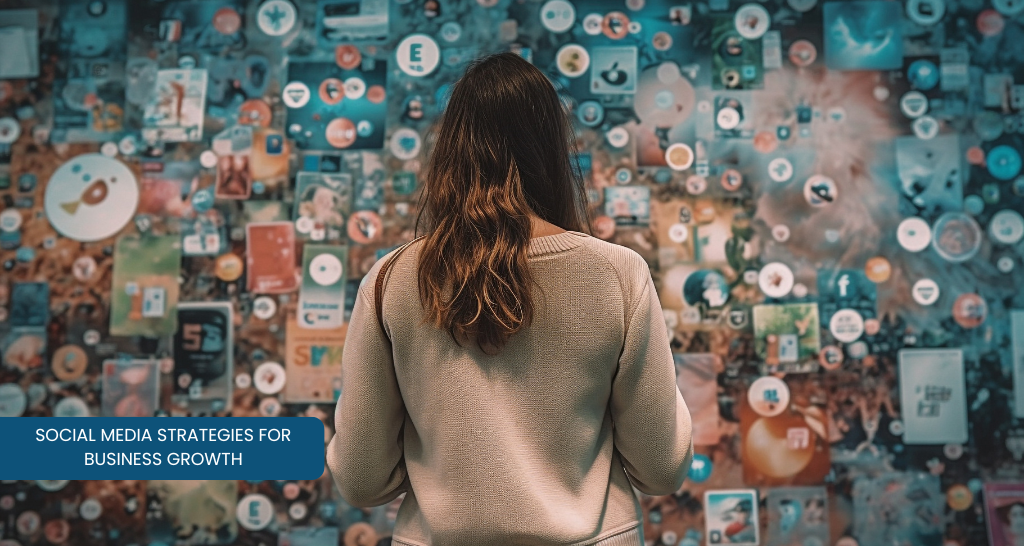
In the contemporary landscape, social media has drastically transformed the dynamics of personal branding. Traditional methods of branding, which heavily relied on physical networking and print materials, have now shifted towards digital platforms. Today, social media serves as a primary arena for professionals to establish and enhance their personal brands, allowing individuals to showcase their expertise and unique insights to larger audiences.
LinkedIn, for instance, has emerged as a vital tool for personal branding, especially among professionals. It offers a platform where individuals can craft detailed profiles, share industry-related content, and network with peers across the globe. The ability to publish articles and posts on LinkedIn further empowers users, enabling them to exhibit their knowledge and engage with their audience authentically. This engagement is essential, as it fosters connections and builds trust, crucial elements of a strong personal brand.
Instagram and Twitter, on the other hand, provide opportunities for more creative expressions of branding. Instagram’s visually-driven platform allows individuals to curate an aesthetic that aligns with their brand identity, sharing images, stories, and videos that convey their values and personality. Similarly, Twitter functions as a real-time platform for thoughts and opinions, where brevity can be powerful. Engaging in conversations, participating in trending topics, and sharing insights can significantly elevate one’s brand presence.
Content creation plays a pivotal role in this digital branding journey. Whether through blog posts, videos, or social media updates, consistently producing valuable content helps individuals position themselves as authorities within their fields. This approach not only attracts followers but also encourages deeper interactions, ultimately solidifying a personal brand in the digital age. As social media continues to evolve, the relevance of a well-crafted personal brand becomes increasingly paramount, dictating how one is perceived in both personal and professional environments.
Differentiation in a Competitive Market
In today’s fast-paced and highly competitive job market, establishing a strong personal brand has become essential for individuals seeking to differentiate themselves from their peers. A well-defined personal brand enables professionals to communicate their unique value propositions effectively, allowing them to highlight their specific skills, experiences, and attributes that set them apart from others. This differentiation is especially vital in industries saturated with talent, where job applicants often share similar qualifications and work histories.
A unique personal brand emphasizes not only an individual’s professional capabilities but also their personal attributes, such as their work ethic, communication style, and creativity. By crafting a compelling personal brand, individuals can present themselves as more than just a résumé, showcasing their distinctive qualities that appeal to potential employers and networking contacts. Furthermore, a strong personal brand fosters authenticity, encouraging candidates to embrace their unique characteristics rather than conforming to industry norms.
The advantages of developing a robust personal brand extend beyond immediate job opportunities. A standout personal brand can open doors to networking prospects and collaborative ventures that might not have been accessible otherwise. As professionals share their brand through various platforms—such as LinkedIn, personal blogs, or social media—they create connections with like-minded individuals and industry leaders. This networking can lead to partnerships, mentorship opportunities, and even job referrals, all of which can significantly enhance one’s career trajectory.
Ultimately, it is clear that personal branding is not merely a trend but a necessity in a competitive market. As more individuals recognize the importance of unique value propositions, those who effectively cultivate their personal brands are likely to secure better job placements, develop extensive professional networks, and advance their careers. Embracing personal branding can be the key to achieving long-term success in any industry.
Authenticity and Transparency
In today’s rapidly evolving digital landscape, authenticity and transparency have become pivotal elements of successful personal branding. Individuals and brands that present themselves in a genuine manner are finding it increasingly easier to connect with their target audiences. This connection is rooted in the common desire for honesty and relatability in a world often saturated with elaborate marketing strategies and faceless corporations.
The growing value of authenticity arises from the consumer’s quest for deeper, more meaningful relationships. Audiences are drawn to those who openly share their journeys, successes, and even failures, as this level of honesty engenders trust. For instance, brands like Patagonia have thrived by staying true to their core values of environmental sustainability and ethical practices. Their commitment to transparency in operations, including clear communication about sourcing materials and manufacturing processes, resonates deeply with consumers who prioritize corporate social responsibility.
Moreover, the rise of social media platforms has amplified the demand for authentic voices. Individuals who showcase their real selves, rather than curated personas, foster a sense of connection that is often more compelling than traditional advertising. Influencers who share unfiltered moments from their lives, including behind-the-scenes glimpses, create a relatable narrative that followers can appreciate and support. This authenticity not only humanizes brands but also enhances loyalty among consumers who appreciate their candidness.
As the discourse around personal branding evolves, the emphasis on authenticity and transparency is unlikely to wane. Brands that prioritize being genuine in their interactions and communications will foster trust and build lasting relationships with their audiences. Ultimately, authenticity not only has the power to differentiate one brand from another but also serves as a foundational pillar in establishing credibility within any personal or professional brand narrative.
Building a Personal Brand Online
In the digital age, establishing a personal brand online is crucial for individuals seeking to stand out in their professional fields. To effectively build a brand, consistency is key. This includes maintaining uniform messaging across different platforms, using similar visuals, and engaging with your audience regularly. Consistent branding fosters recognition and trust, which are essential for a successful online presence.
One of the first steps in building a personal brand is creating a personal website. This serves as a central hub for your online activities, where you can showcase your expertise, portfolio, and unique value proposition. Ensure the website reflects your personality and branding elements, such as logo, color schemes, and typography. Including a blog on your site can also enhance your brand by allowing you to share insights, experiences, and opinions related to your industry.
Crafting a compelling bio is another fundamental aspect of personal branding. Your bio should outline your professional journey, highlighting key accomplishments and skills. It’s important to write in a way that resonates with your target audience, using language that reflects authenticity and expertise. A well-structured bio serves as a cornerstone of your online presence on platforms like LinkedIn, Twitter, and professional forums.
Additionally, sharing meaningful content is essential for cultivating your brand identity. Regularly post articles, videos, or podcasts that align with your personal brand values and expertise. This not only positions you as a thought leader but also fosters connections with like-minded individuals and potential collaborators. Engaging with your audience through comments and discussions further humanizes your brand and establishes credibility.
The Role of Networking
In the contemporary landscape of personal branding, networking plays an indispensable role. Building a personal brand involves not only the cultivation of your public persona but also the establishment of invaluable relationships within your industry or area of expertise. Personal connections and professional networks can significantly amplify your personal brand, leading to increased visibility and credibility.
Networking fosters opportunities for collaboration, mentorship, and knowledge-sharing, all of which are critical components for personal growth and brand development. When individuals cultivate relationships with peers, mentors, and industry leaders, they create a support system that can propel their personal brand further than their efforts alone. The relationships built during networking can lead to partnerships or collaborations, allowing individuals to leverage each other’s strengths and broaden their reach.
To maximize the impact of networking on personal branding, it is essential to employ effective strategies both online and offline. Online, utilizing platforms such as LinkedIn can help individuals connect with professionals in their field, share insights, and participate in discussions relevant to their expertise. Engaging in online groups, webinars, and industry events can also enhance visibility and establish credibility within a specific niche.
Offline networking remains equally significant. Attending conferences, workshops, and networking events provides opportunities to meet face-to-face, allowing for more profound connections to be established. Practicing active listening and showing genuine interest in others can help forge strong, lasting relationships. Additionally, following up with new contacts after events by sending a personalized email or connecting on social media can reinforce these connections and enhance the chances for future collaboration.
Ultimately, the role of networking in personal branding cannot be overstated. Effective networking not only helps in building a solid support system but also enables individuals to position themselves as trusted authorities in their fields, fostering growth and development for their personal brand.
Adapting to Changes in Industry Dynamics
In today’s rapidly evolving job market, the significance of personal branding cannot be overstated. Personal branding serves as a strategic tool that enables individuals to navigate and adapt to persistent changes and challenges within their industries. As industries adapt to technological advancements and shifting consumer preferences, the ability to evolve one’s brand becomes crucial. Individuals are increasingly required to present themselves as adaptable, innovative, and in tune with contemporary trends. This is where personal branding comes into play, facilitating not only the recognition of skills but also the demonstration of an individual’s readiness to change and grow.
Adapting personal branding allows professionals to stay competitive and relevant. For instance, someone in the tech field may need to incorporate new programming languages or methodologies into their brand narrative as these become standard practices. Similarly, professionals in fields such as marketing must embrace digital platforms and social media changes to align their skills with market demands. By frequently updating their personal brand, they can communicate their ongoing development and commitment to professional excellence.
Additionally, personal branding aids in forging connections with peers and industry leaders, creating networking opportunities that can enhance one’s career. An evolved personal brand can lead to visibility in one’s industry, attracting potential employers or clients who value adaptability and modern expertise. Thus, personal branding is not merely about self-promotion; it reflects a commitment to learning, development, and responding proactively to industry dynamics.
In an ever-changing professional landscape, those who recognize the need for a dynamic personal brand will thrive. By continuously refining their personal brand in alignment with industry trends, individuals position themselves as thought leaders and innovators, ready to meet the demands of tomorrow’s workforce.
Measuring the Success of Your Personal Brand
To assess the effectiveness of a personal brand, various measurement methods can be employed. These metrics not only help in understanding the reach and engagement of the brand but also provide insights into audience perception. One key metric is engagement, which can be measured through likes, comments, shares, and overall interactions across different platforms. High engagement levels often signify that the content resonates with the audience, indicating a successful personal brand.
Another important metric is reach, which refers to the total number of unique users that have been exposed to the brand’s content. This can be analyzed through tools such as Google Analytics or social media insights, allowing individuals to track how widely their message is being disseminated. A broader reach suggests that the personal brand is gaining traction and visibility, which is essential for long-term growth.
Audience perception is also a critical metric for measuring personal brand success. This can be gauged through surveys, feedback, or sentiment analysis tools that evaluate how audiences perceive the brand’s identity and values. Positive perceptions typically lead to enhanced trust and credibility, both of which are foundational to a strong personal brand.
Additionally, there are numerous tools available that can aid in tracking personal brand growth. Tools like Brandwatch, Hootsuite, and Sprout Social can provide comprehensive analytics on audience interactions, content performance, and overall brand reputation. These resources will enable individuals to monitor progress, optimize their strategies, and make informed decisions regarding future branding efforts.
Future Trends in Personal Branding
As we move forward into a digital age where technology continuously transforms the landscape of personal branding, several emerging trends are becoming increasingly prominent. Among these, the rise of virtual branding within the metaverse stands out as a significant shift. The metaverse provides individuals with virtual spaces where they can craft their identities, engage with audiences, and promote their personal brands in immersive environments. This evolution extends beyond traditional online presence, as avatars and virtual experiences become essential components of how individuals can represent themselves.
Another trend shaping the future of personal branding is the increasing impact of artificial intelligence (AI). AI technologies are playing a crucial role in helping individuals analyze their branding efforts. Tools that utilize AI can provide insights into audience behavior, preferences, and engagement metrics. This information allows personal brands to adjust their strategies and tailor their content to meet the needs of their target demographics more effectively. In this rapidly evolving scenario, individuals must stay informed about the latest AI capabilities that can enhance their branding and communication strategies.
Moreover, as the digital landscape becomes more dynamic, individuals must proactively prepare for these changes in personal branding strategies. This includes embracing new technologies, seeking continuous education about digital tools, and understanding the foundational elements of online engagement. Building a resilient personal brand requires adaptability—individuals should be open to testing new platforms and techniques in line with emerging trends.
Ultimately, personal branding in the future will necessitate a blend of creativity, strategic planning, and technological engagement. By staying aligned with these trends, individuals can position themselves effectively within a competitive landscape that is continuously redefining how brands are built and perceived.