
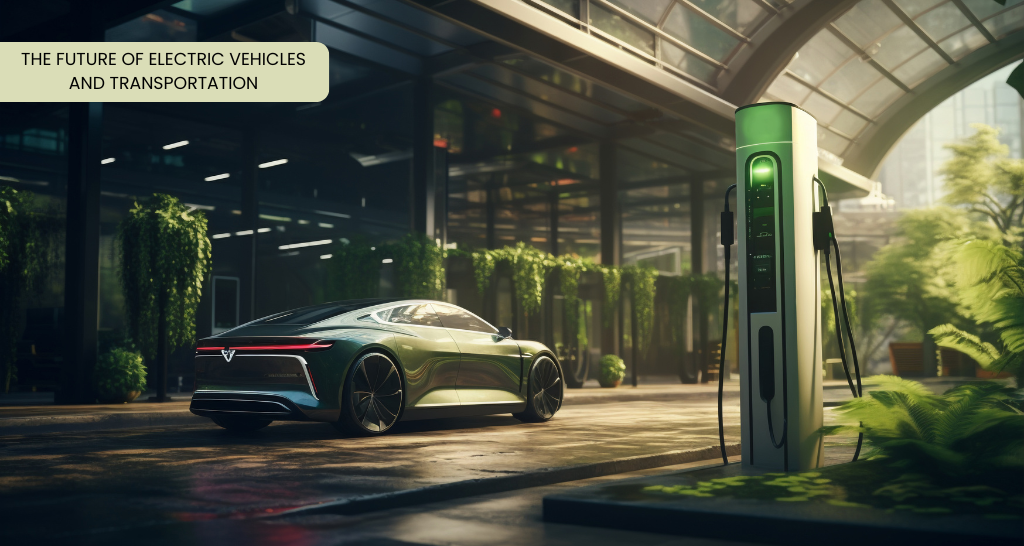
Introduction to Electric Vehicles
Electric vehicles (EVs) have emerged as a transformative force within the global transportation sector, marking a significant evolution from traditional internal combustion engine vehicles. This evolution can be traced back to the early developments of electric motor technology in the 19th century; however, it is in the last few decades that EVs have gained notable traction. Currently, advancements in battery technology, design, and infrastructure have propelled electric vehicles from niche products into mainstream automotive offerings.
The growing trend towards the electrification of transport is largely driven by a combination of technological innovation and increasing environmental awareness. The global automotive industry has recognized the imperative to address climate change, leading to substantial investment in research and development aimed at improving the viability of electric vehicle options. Major manufacturers are now committing to large-scale production of EVs, ensuring a greater variety of models is available for consumers.
This shift towards electric mobility is also significantly influenced by environmental incentives. Governments and organizations around the world are implementing policies that promote the use of electric vehicles by offering tax credits, rebates, and infrastructure support. Such measures not only harness public interest in sustainable transportation but also help to reduce the carbon footprint associated with fossil fuel consumption. The transition to electric vehicles represents not merely a change in the type of vehicles being produced but speaks to a broader cultural and economic movement towards sustainability. As these vehicles become more accessible, they are expected to play an integral role in shaping the future of transportation.
Advancements in EV Technology
The electric vehicle (EV) landscape has undergone significant transformations in recent years, primarily due to advancements in EV technology that enhance efficiency, convenience, and environmental sustainability. One of the most noteworthy developments is the evolution of battery technology. Innovations such as solid-state batteries and lithium-sulfur batteries promise higher energy densities, faster charging times, and improved longevity compared to traditional lithium-ion batteries. These advancements not only enhance the range of electric vehicles but also significantly reduce the overall costs, making EVs more accessible to a broader audience.
Another critical area of development is the expansion of charging infrastructure. The establishment of fast-charging stations is essential for the widespread adoption of electric vehicles, as it alleviates concerns over range anxiety. Recent initiatives have focused on increasing the number of public charging stations and improving charging speeds. High-powered chargers are now capable of replenishing up to 80% of a vehicle’s battery in as little as 30 minutes, which is a substantial improvement over previous technologies. Moreover, the integration of smart grid technology allows for optimized energy distribution and charging schedules that can adapt to the needs of EV owners.
In addition to battery and charging advancements, the integration of smart technology in electric vehicles is transforming the driving experience. Features such as advanced driver-assistance systems (ADAS), vehicle-to-grid (V2G) technology, and connectivity enhancements are making EVs not only safer but also more efficient. These systems utilize artificial intelligence and data analytics to monitor driving patterns, optimize energy use, and improve overall vehicle performance. As these technologies continue to develop, the future of electric vehicles appears increasingly promising, enabling a sustainable and user-friendly transportation ecosystem.
The Role of Government Policies
The future of electric vehicles (EVs) is intricately linked to the role of government policies and regulations, which serve as a crucial driver of market adoption and innovation. Policymakers worldwide are increasingly recognizing the environmental and economic benefits associated with electric transportation, leading to a wide array of initiatives designed to promote EV usage while mitigating carbon emissions.
In many regions, financial incentives play a pivotal role in encouraging consumers to transition towards electric vehicles. These incentives can take the form of tax credits, rebates, and grants, effectively lowering the purchase price and making EVs more accessible to a broader audience. For instance, numerous countries offer substantial tax incentives for EV buyers, which can significantly reduce the initial investment required. This strategic financial support not only aids consumers but also stimulates the automotive industry to increase production of electric models.
Moreover, government regulations regarding emissions standards are becoming progressively stringent, compelling automotive manufacturers to pivot towards cleaner and more sustainable technologies. These regulations often outline specific targets for reducing greenhouse gas emissions, effectively holding manufacturers accountable for their environmental impact. In partnership with these regulations, some governments have instituted strict deadlines for phasing out internal combustion engine vehicles, which directly enhances the appeal and viability of electric vehicles in the market.
Additionally, infrastructure development is a significant aspect of government strategy to promote electric vehicle adoption. Investments in charging infrastructure—including fast-charging stations and city-wide charging networks—ensures that consumers feel confident in their ability to access charging facilities conveniently. This infrastructure is essential for alleviating range anxiety, a common concern for potential EV buyers.
In conclusion, government policies and regulations are indispensable in shaping the electric vehicle landscape. Through incentives, stringent regulations, and infrastructure development, governments worldwide are creating an environment conducive to the growth and acceptance of electric transportation, ultimately steering society towards a more sustainable future.
Public vs. Private Transportation Solutions
The landscape of electric vehicles (EVs) is rapidly evolving, with both public and private transportation solutions playing a significant role in reducing emissions. In the private sector, electric vehicles are increasingly becoming accessible to individual consumers, enticing them with lower operational costs, reduced carbon footprints, and an enhanced driving experience. However, the widespread adoption of personal electric transportation systems tends to be limited by factors such as vehicle cost, charging infrastructure availability, and concerns about battery range.
On the other hand, public transportation solutions, including electric buses and trains, present a powerful alternative in the journey toward sustainable transit. These electric public transport systems are designed to cater to a larger number of passengers, making them a more efficient means of reducing Overall Transportation Emissions as they remove multiple vehicles from the road in favor of singular, larger options.
Electric buses offer flexibility in urban environments, often integrating battery technology for routes plagued with high traffic. They significantly lower greenhouse gas emissions, especially when charged from renewable energy sources. Similarly, electric trains have been modernized to carry substantial numbers of passengers while minimizing energy consumption and improving air quality. These public solutions reduce congestion in urban areas and contribute significantly to social equity by providing affordable transportation options.
Despite these benefits, challenges persist for both private and public transportation. Private EVs require continued investment in charging infrastructure, while public transportation must receive adequate funding and support to maintain and expand services to attract users. Additionally, the perception of electric vehicles in both sectors varies, influencing adoption rates and public opinion. It is essential for policymakers and stakeholders in the transportation sector to collaboratively work towards optimizing both modes to ensure a sustainable future.
Challenges Facing Electric Vehicles
The electric vehicle (EV) industry is rapidly evolving, but it faces a range of challenges that could hinder its growth and widespread adoption. One significant issue is the supply chain constraints that affect the availability of crucial components, particularly batteries. As demand for electric vehicles increases, manufacturers often struggle to source sufficient quantities of lithium, cobalt, and other essential materials necessary for battery production. These supply chain issues can lead to delays in vehicle availability, driving up prices and frustrating consumers.
Another pressing concern is the management and disposal of used batteries. Current recycling methods for EV batteries are still in developmental stages, raising questions about environmental sustainability. As more electric vehicles enter the market, the eventual disposal of these batteries could pose serious ecological risks if not managed properly. The industry must invest in innovative recycling technologies to recover valuable materials and minimize waste, ensuring that the transition to electric mobility remains responsible.
Additionally, the existing infrastructure presents limitations that can hinder electric vehicle adoption. Many areas lack adequate charging stations, creating range anxiety among potential EV owners. To address this, both public and private entities must collaborate to expand charging infrastructure, making electric vehicle usage more convenient and reliable. Furthermore, the development of fast-charging technology could significantly enhance user experience by reducing wait times and making long-distance travels more feasible.
In conclusion, while the electric vehicle industry promises significant benefits for sustainable transportation, various challenges related to supply chain management, battery disposal, and infrastructure limitations must be addressed to ensure its successful integration into the mainstream market.
Consumer Perception and Adoption Rates
Consumer perception plays a crucial role in the adoption rates of electric vehicles (EVs), significantly influencing their market penetration and growth. One of the primary factors affecting this perception is the cost of electric vehicles. While the initial purchase price of EVs can be higher than that of conventional internal combustion engine vehicles, potential buyers often weigh long-term savings on fuel and maintenance against the higher upfront costs. In recent years, as battery technologies advance and production scales up, the prices of electric vehicles have started to decline, making them more accessible and appealing to a broader audience.
Range anxiety is another significant barrier to the adoption of electric vehicles. Many potential users fear that their EV may run out of battery power before they reach their destination or find a charging station. This concern over the range of electric vehicles is gradually diminishing as manufacturers continue improving battery technology, resulting in longer ranges and more efficient energy use. Furthermore, the expansion of charging infrastructure is alleviating concerns, as more public charging stations become available, addressing both range anxiety and enhancing consumer confidence in electric mobility.
Societal attitudes toward electric mobility are evolving, with a growing recognition of the environmental benefits posed by the shift to electric vehicles. Increased awareness of climate change and the need for sustainable transportation solutions have influenced public perception positively. More consumers are acknowledging electric vehicles as a viable option that contributes to reducing greenhouse gas emissions and reliance on fossil fuels. Additionally, the influence of social media and advocacy organizations in promoting the advantages of EVs further enhances consumer perceptions, leading to higher adoption rates.
Overall, by addressing the impacts of cost, range anxiety, and societal attitudes towards electric mobility, stakeholders can effectively enhance consumer perceptions and encourage broader adoption of electric vehicles in the future.
The Future of Autonomous Electric Vehicles
The convergence of electric vehicles (EVs) and autonomous driving technology represents a transformative phase in the automotive industry. As the focus shifts towards sustainable transportation solutions, autonomous electric vehicles (AEVs) are emerging as a logical extension of both innovation corridors. The integration of these technologies holds the promise of enhancing mobility, improving road safety, and reducing carbon emissions.
One of the key benefits of AEVs is their potential to optimize energy efficiency. Electric powertrains are inherently more efficient than conventional internal combustion engines. When coupled with autonomous systems, which can intelligently manage travel routes and speeds, AEVs can significantly reduce overall energy consumption. Moreover, the ability to communicate with connected infrastructure and other vehicles can further enhance traffic flow, contributing to a decrease in congestion and its associated emissions.
From a safety perspective, autonomous electric vehicles can offer substantial improvements. Human error is a primary cause of road accidents; thus, by removing the human factor, AEVs are expected to enhance road safety dramatically. Advanced sensors, machine learning algorithms, and real-time data processing allow AEVs to react swiftly to changing road conditions, significantly improving vehicular response times. This can potentially lead to a notable decline in traffic casualties and injuries.
Furthermore, the deployment of AEVs can facilitate the emergence of new transportation models, such as ride-sharing services and autonomous delivery systems. These innovations are not only expected to redefine personal mobility but could also revolutionize urban planning by reducing the need for vast parking infrastructures. As cities adapt to these changes, the integration of AEVs can contribute to more walkable communities and greener urban landscapes.
As we envisage the horizon of transportation, the amalgamation of electric vehicles with autonomous driving technology heralds a future that prioritizes sustainability, safety, and efficiency. The ongoing advancements in these fields are crucial not only for reducing the environmental footprint but also for enhancing the overall quality of urban life.
Sustainability of Electric Vehicles
The sustainability of electric vehicles (EVs) encompasses several crucial factors that differentiate them from traditional gasoline-powered vehicles. One significant aspect is the lifecycle emissions associated with each vehicle type. While internal combustion engine vehicles (ICEVs) produce substantial emissions throughout their life cycle—originating from fuel extraction, refining, combustion, and maintenance—EVs typically generate lower emissions during operation. The potential environmental benefits of electric vehicles become even more pronounced when accounting for the advancements in battery technology and the increasing reliance on renewable energy sources.
Renewable energy sources, such as solar, wind, and hydroelectric power, play an integral role in the sustainability narrative of electric vehicles. By utilizing these clean energy sources for electricity generation, the overall greenhouse gas emissions associated with EVs can be significantly reduced. As the energy grid becomes increasingly decarbonized and reliant on renewables, the carbon footprint of electric vehicles diminishes further. Consequently, many studies advocate the transition to a sustainable energy system, which would ultimately enhance electric vehicle advantages.
Moreover, electric vehicles contribute positively to urban air quality, a growing concern in densely populated areas. The shift to EVs reduces emissions of harmful pollutants, such as nitrogen oxides and particulate matter, which are commonly associated with traditional vehicles. By lowering these harmful emissions, cities can experience improved air quality, leading to better public health outcomes. In cities where the adoption of electric vehicles has been actively promoted, there is observable evidence of reduced urban air pollution, illustrating the direct benefits of transitioning to sustainable transportation options.
Conclusion and the Road Ahead
As we have explored throughout this discussion, the future of electric vehicles (EVs) is poised for significant advancements, driven by innovations in technology, shifts in consumer behavior, and a growing commitment to sustainability. The transition from traditional fossil fuel-powered vehicles to electric alternatives is not merely a trend but a crucial development towards achieving lower carbon emissions and a cleaner environment. The automotive industry is experiencing a transformative phase where the integration of electric drivetrains is becoming commonplace.
One of the key points highlighted is the importance of robust infrastructure. The expansion of charging stations and the enhancement of battery technology are critical for addressing range anxiety and facilitating longer journeys. Moreover, partnerships between governments and private organizations play a pivotal role in accelerating this infrastructure development. These collaborations are essential for creating a seamless ecosystem that supports the effective use of electric transportation.
In addition to infrastructure, ongoing innovation in battery technology is vital to increase energy density, reduce costs, and improve the overall performance of electric vehicles. As research progresses, advancements in materials and manufacturing processes will pave the way for more efficient and reliable battery systems. This will ultimately contribute to wider adoption and a more sustainable transportation landscape.
Looking ahead, the potential for electric vehicles extends beyond personal use; public transportation systems, freight logistics, and even autonomous vehicles are set to benefit from electrification. This diversification of applications highlights the interconnected nature of transportation sectors, emphasizing that progress in one area can stimulate growth in another.
In conclusion, the future of electric vehicles and transportation hinges on collaborative efforts, persistent innovation, and strategic investments that prioritize sustainable practices. By uniting across industries and disciplines, we can harness the full potential of electric mobility, steering towards a future characterized by efficient, green transportation solutions.