Introduction to Smart Hotels
In recent years, the hospitality industry has witnessed a significant transformation driven by advancements in technology, leading to the emergence of smart hotels. Defined by their integration of digital solutions, smart hotels enhance the guest experience by utilizing interconnected systems and innovative devices to streamline operations and improve service delivery. At the core of this transformation is the idea of creating a more personalized, efficient, and enjoyable stay for guests, meeting their evolving expectations in a highly competitive market.
Smart hotels employ a variety of technologies that include Internet of Things (IoT) devices, mobile applications, and artificial intelligence. These technologies allow for seamless interactions, enabling guests to control aspects of their environment—such as lighting, temperature, and entertainment—through their smartphones or voice-activated systems. Such capabilities not only enhance user convenience but also foster an environment where guests feel in control and valued.
Moreover, the integration of smart technology also benefits hotel staff and management by automating routine tasks, facilitating real-time communication, and providing data-driven insights into guest preferences. This reflects a broader trend in the hospitality industry towards adopting a more proactive approach, ensuring that the needs of each guest are anticipated and met with precision. This evolution has compelled hoteliers to rethink traditional service models and adapt to the demands of a tech-savvy clientele, ultimately leading to improved operational efficiency.
As the world embraces digitalization, the role of smart hotels is not merely a passing trend but a necessary evolution that aligns with the expectations of modern travelers. By incorporating advanced technology into their offerings, these hotels are reshaping the guest experience, making it more tailored and enjoyable, thereby enhancing overall satisfaction within the hospitality sector.
The Historical Context of Hotel Management
The origins of hotel management can be traced back to ancient civilizations, where the need for temporary lodging arose from increased travel due to trade, pilgrimage, and exploration. In these early days, communal inns served as popular resting places for travelers, offering basic bedding and meals. These establishments were rudimentary, often lacking the formal management structures we recognize today.
As societies evolved, so too did the concept of hospitality. By the Middle Ages, Europe witnessed the emergence of more organized inns and taverns. They provided a clearer framework of guest services alongside food and shelter. These establishments incorporated the local culture, integrating regional cuisines and offering limited entertainment options, thus enhancing the overall guest experience.
The transition towards modern hotel management emerged during the 18th and 19th centuries, propelled by industrialization and the rise in leisure travel. The formalization of hotel management began, with notable establishments such as the Hotel Ritz Paris and the Waldorf Astoria in New York demonstrating innovation in guest services. Features such as concierge services, room service, and personalized guest experiences started to be introduced, setting the stage for contemporary hospitality standards.
The leap into technology began with basic innovations that improved operational efficiency, such as the development of a centralized reservation system and telephones for guest communication. These advancements allowed hotels to scale their services and better accommodate guests, paving the way for the expansive hospitality sector we see today.
Throughout the 20th century and into the 21st century, the integration of technology in hotel management continued to evolve, facilitating more sophisticated guest services. Automated check-ins and mobile applications are now common, showcasing how historical foundations have seamlessly transitioned into the digital realm to enhance the guest experience further.
Key Technologies Transforming Guest Experiences
The hospitality industry has undergone significant transformations with the advent of smart technologies that enhance guest experiences. Keyless entry systems are one prominent innovation, allowing guests to bypass traditional check-in processes. Instead of using physical keys or cards, guests can unlock their rooms using their smartphones, offering convenience and security. This technology streamlines the guest experience, reducing wait times and empowering guests to access their accommodations with ease.
In-room automation further revolutionizes the hospitality landscape. Smart devices such as thermostats, lighting systems, and entertainment options enable guests to personalize their environment. For instance, they can control room temperatures or lighting through mobile applications or voice commands, cultivating an atmosphere tailored to their preferences. Such automation not only enhances comfort but also promotes energy efficiency, aligning with modern sustainability goals.
AI concierge services have also emerged as a noteworthy development. These virtual assistants utilize artificial intelligence to provide guests with information and services at their fingertips. Whether it’s making restaurant reservations, recommending local attractions, or addressing queries about hotel amenities, AI concierge services respond swiftly and accurately, thereby improving guest satisfaction. Moreover, this technology can learn individual preferences over time, creating a more personalized experience.
Mobile applications represent another critical shift in the hotel experience. These apps facilitate seamless communication between guests and hotel staff, allowing for service requests, room service orders, and feedback submissions. By integrating all necessary information into one platform, mobile applications empower guests to have greater control over their stay, reducing reliance on front desk interactions. This level of accessibility is not only convenient but also enhances the overall satisfaction of the guest experience.
The Role of Data and Personalization
The integration of data collection and analysis in smart hotels has revolutionized the way guest experiences are personalized. Data serves as the foundational element that allows hotels to understand individual preferences, behaviors, and expectations. From the moment a guest books a stay, data begins to accumulate, capturing everything from room preferences to spending patterns on amenities and services.
Smart hotels utilize various technologies, including Internet of Things (IoT) devices and mobile applications, to gather real-time data. This data enables hotels to not only tailor room settings such as temperature and lighting according to guest preferences but also to suggest personalized services. For instance, by analyzing past interactions, a hotel can recommend local attractions or dining options that align with the guest’s interests. Such tailored recommendations enhance the overall guest experience, making it more memorable.
Moreover, the role of data extends beyond mere preferences; it also plays a critical part in anticipating guest needs. Predictive analytics enable hotels to foresee potential requirements, such as arranging transportation or offering spa services based on prior stays. This proactive approach can significantly enhance guest satisfaction, as it fosters a sense of being valued and understood.
The impact of personalization through data is not limited to individual guests; it also aids hotels in optimizing their operations. By analyzing aggregate data from multiple guests, hotels can make informed decisions regarding staffing, inventory management, and marketing strategies, ensuring they meet demand effectively. This dual approach to data usage—enhancing personalized guest experiences while optimizing operational efficiency—establishes smart hotels as leading players in the hospitality industry.
Sustainability and Smart Hotels
In recent years, the hospitality industry has witnessed a significant shift towards sustainability, with smart hotels at the forefront of this evolution. These establishments are increasingly leveraging technology to enhance energy efficiency, reduce waste, and improve the overall guest experience. By integrating smart technology into their operations, hotels are not only minimizing their environmental impact but also creating a more engaging and personalized stay for their guests.
One of the primary ways smart hotels are promoting sustainability is through energy management systems. These systems optimize heating, ventilation, and air conditioning (HVAC) based on real-time occupancy data. By adjusting energy use automatically, hotels can achieve significant reductions in energy consumption, leading to cost savings and a smaller carbon footprint. Guests experience improved comfort as climate control is tailored to their preferences, ensuring a pleasant environment throughout their stay.
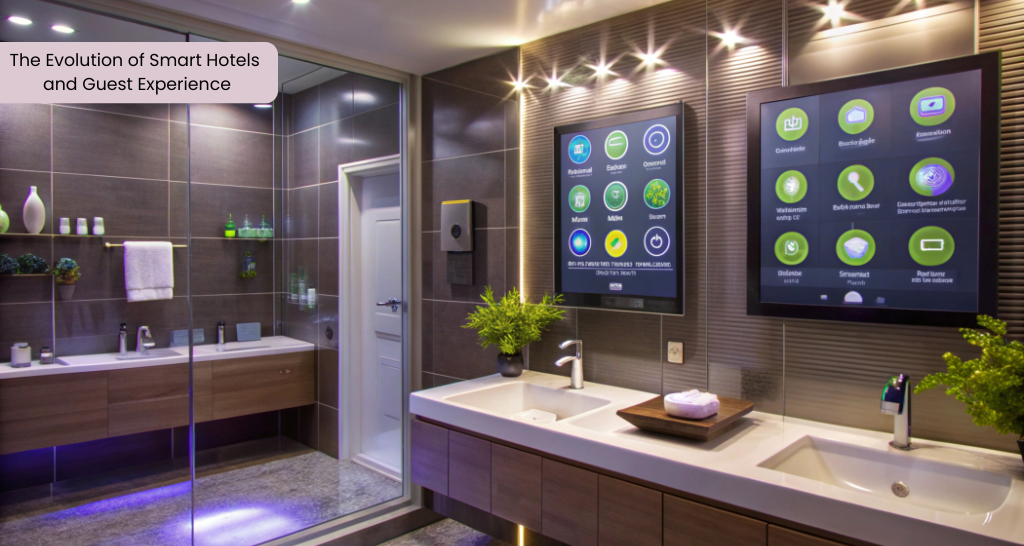
Moreover, smart hotels are implementing advanced water management systems that monitor and regulate water usage, reducing waste. Smart showers and faucets equipped with flow sensors help minimize water consumption, while also enhancing the guest experience by allowing for personalized water settings. By focusing on these sustainability efforts, hotels are effectively catering to environmentally conscious travelers, who are increasingly seeking accommodations that align with their values.
In addition to energy and water efficiency, smart hotels are also utilizing waste reduction technologies. For instance, real-time inventory management systems assist in minimizing food waste in hotel restaurants, thereby promoting a more sustainable dining experience. By optimizing the supply chain and food preparation processes, hotels can not only reduce waste but also enhance the quality of meals offered to guests.
Through these innovative practices, smart hotels are redefining the guest experience while simultaneously contributing to a more sustainable future in the hospitality industry.
Challenges in Implementing Smart Technology
The adoption of smart technology in hotels presents various challenges that must be navigated to enhance the guest experience successfully. One significant obstacle is the cost associated with these technologies. Implementing smart systems often requires substantial upfront investment in infrastructure, hardware, and software, which can be a barrier for many establishments, particularly smaller hotels. In response, hoteliers can adopt a phased approach to implementation, allowing them to spread costs over time while gradually enhancing the guest experience with new technology.
Another considerable challenge is cybersecurity concerns. As hotels increasingly rely on interconnected devices and systems, the risk of data breaches and cyber-attacks grows. Protecting sensitive guest information is paramount, and hotels must invest in robust security measures to safeguard their networks. Additionally, conducting regular training for staff about cybersecurity practices and ensuring compliance with data protection regulations can mitigate potential risks.
Resistance from staff or guests can also hinder the effective implementation of smart technology. Some employees may be hesitant to adopt new technology due to fear of change or lack of technical skills. To counter this resistance, management should provide comprehensive training sessions that highlight the benefits of smart technology not only for the hotel’s operational efficiency but also for improving the overall guest experience. On the guest side, ensuring a user-friendly interface and providing clear instructions or support can help ease their transition into using smart features.
Addressing these challenges is crucial for hotels aiming to implement smart technology. With effective planning, investment in security, and adequate staff training, hotels can leverage smart technologies to enhance the guest experience, while also overcoming the associated obstacles.
Future Trends in Smart Hospitality
The realm of smart hospitality is poised for significant advancements shaped by technological innovation, particularly in the areas of artificial intelligence (AI) and the Internet of Things (IoT). As hotels continuously adapt to meet rising guest expectations, industry experts foresee considerable changes that will redefine the guest experience.
One prominent trend is the integration of AI-driven solutions that enhance personalization. Hotels will leverage AI algorithms to analyze guest data and preferences, enabling them to offer tailored services even before arrival. For instance, custom recommendations for activities and promotions based on previous stays will become the norm, allowing guests to feel more valued and catered to.
Furthermore, the IoT is set to transform hotel environments into interconnected ecosystems. Smart rooms equipped with IoT devices will facilitate seamless communication between guests and hotel services. Visitors will experience intelligent lighting, temperature control, and entertainment options through their personal devices, all contributing to a comfortable and unique stay. The concept of a fully integrated hotel room, where everything is controllable via a single app, is rapidly gaining traction.
Moreover, as more guests become technology-savvy, their expectations regarding speed and convenience will drive hotels to innovate continually. Mobile check-ins, contactless services, and smart access solutions will likely become standard practices, enhancing operational efficiency and guest satisfaction. Real-time feedback systems, utilizing AI, will allow hotels to adapt their offerings instantaneously based on guest suggestions or grievances.
Industry experts also predict that sustainability will become a key focus in smart hospitality. Hotels will adopt AI to optimize energy consumption and minimize waste through intelligent resource management systems. This dual emphasis on technological innovation and environmental stewardship will position hotels as leaders in sustainability, while also appealing to the growing demographic of eco-conscious travelers.
In conclusion, the future of smart hospitality is characterized by the strategic implementation of advanced technologies like AI and IoT, enabling hotels to meet and exceed evolving guest expectations. As the landscape continues to evolve, these innovations will ensure that the hospitality industry remains competitive and responsive to the needs of a new generation of travelers.
Case Studies of Successful Smart Hotels
As the hospitality industry continues to embrace technological advancements, numerous smart hotels have emerged that exemplify how innovation can significantly enhance guest experiences. One notable example is the Marriott’s M Beta hotel in Charlotte, North Carolina. This property integrates mobile technologies, allowing guests to check in, access their rooms, and control in-room settings through a dedicated app. The implementation of smart room designs, equipped with voice assistants and automated climate controls, not only elevates convenience but also promotes sustainability by optimizing energy usage.
Another exemplary case is the Yotel brand, particularly its New York location. Yotel features robot concierge services, which facilitate meal deliveries and provide information to guests. Additionally, the hotel uses self-check-in kiosks that streamline the arrival process, significantly reducing waiting times and increasing efficiency. This technology-focused approach resonates well with its tech-savvy clientele, thereby improving overall satisfaction levels.
Moving beyond the United States, the CitizenM hotel chain, with locations across Europe and North America, has garnered attention for its emphasis on customizable guest experiences. Each room includes a tablet that allows guests to adjust lighting, temperature, and entertainment options, making their stay uniquely personalized. CitizenM’s commitment to modern design combined with innovative tech solutions has proven successful in fostering a welcoming environment that resonates with contemporary travelers.
These case studies highlight essential best practices in the realm of smart hotels. By leveraging technology to streamline operations, enhance personalization, and improve efficiency, these establishments not only achieve positive outcomes for their guests, but they also position themselves competitively in a rapidly changing hospitality landscape. Through the integration of innovative technology solutions, successful smart hotels continue to redefine the guest experience, setting a benchmark for others in the industry.
Conclusion: The Future of Guest Experience in Hospitality
The landscape of hospitality is undergoing a noteworthy transformation, primarily driven by technological advancements that enhance the guest experience within smart hotels. This evolution signifies a paradigm shift, moving from traditional hospitality towards a more personalized, efficient, and engaging environment tailored to the preferences of modern travelers. As smart hotels increasingly integrate Internet of Things (IoT) devices, artificial intelligence, and data analytics, the guest experience becomes both seamless and memorable.
The future of guest experience in the hospitality sector hinges upon adaptability to these technological innovations. Smart hotels that embrace this wave of change are likely to set themselves apart by creating environments that not only meet but anticipate guests’ needs. For instance, with the implementation of mobile applications, guests gain the ability to control their room settings, manage check-ins, and even communicate directly with hotel services, all from the convenience of their smartphones. Additionally, personalized marketing and tailored experiences driven by guest data will lead to higher satisfaction levels.
Furthermore, as guests become more accustomed to these advancements, their expectations will continue to evolve. It is imperative for the hospitality industry to remain vigilant and proactive, investing in smart technologies that align with guest demands. Failure to do so could result in a significant disadvantage in a competitive market where customer loyalty is increasingly contingent upon technological convenience and innovation.
In summary, the future of guest experience in hospitality is intricately linked to the successful integration of smart technology. By focusing on continuously improving and adapting to these technological trends, hotels can ensure that they not only meet the expectations of their guests but also provide memorable experiences that foster long-term loyalty and satisfaction in an ever-evolving landscape.