
Introduction to Retail Technology Trends
The retail landscape is undergoing a significant transformation, driven by advancements in technology that are reshaping the shopping experience. Today, retailers, both large and small, are leveraging innovative solutions to better serve their customers while improving operational efficiencies. The integration of retail technology is not merely a trend; it has become essential for businesses to remain competitive in an increasingly digital marketplace.
Current retail technology trends encompass a wide range of innovations, including artificial intelligence (AI), augmented reality (AR), Internet of Things (IoT), and blockchain. These technologies enable retailers to gather and analyze substantial amounts of data, offering insights that enhance customer experiences and facilitate personalized shopping journeys. For instance, AI-driven analytics can help merchants understand purchasing behaviors, allowing for tailored marketing strategies that resonate better with target audiences.
Moreover, as consumer expectations evolve, the demand for seamless shopping experiences has intensified. Retail technology trends aim to address this need by offering solutions like mobile payment systems, virtual fitting rooms, and smart mirrors, which enhance the way customers interact with brands and their products. Furthermore, these innovations play a crucial role in improving supply chain logistics, reducing costs, and minimizing delivery times, ultimately enhancing customer satisfaction levels.
In conclusion, recognizing and adapting to the latest retail technology trends is vital for retailers striving toward excellence in customer service. As we delve deeper into specific trends throughout this blog post, we will explore how these innovations not only benefit retailers but also transform the entire shopping experience for consumers. Understanding these developments gives insight into a dynamic sector that continues to evolve with each technological leap.
Artificial Intelligence and Machine Learning in Retail
Artificial Intelligence (AI) and Machine Learning (ML) are increasingly transforming the retail landscape, enhancing the shopping experience for consumers while simultaneously optimizing operational efficiency for retailers. One of the most notable applications of AI in retail is the creation of personalized shopping experiences. By leveraging data analytics, retailers can analyze customer preferences and behavior patterns to provide tailored product recommendations. For instance, e-commerce giant Amazon utilizes sophisticated algorithms to suggest products based on a user’s past purchases and browsing history, thus driving sales through increased relevance.
Moreover, AI and ML are revolutionizing inventory management in retail. Predictive analytics enabled by these technologies allow retailers to forecast demand with greater accuracy, thereby reducing understock and overstock scenarios. Walmart, for example, employs machine learning algorithms to analyze sales trends and optimize inventory levels across its vast network of stores. This not only streamlines operations but also minimizes waste, directing products where they are most needed.
Customer service solutions have also evolved through the integration of AI and ML. Retailers are increasingly utilizing chatbots and virtual assistants to handle customer inquiries and enhance service delivery. These AI-driven tools can respond to queries 24/7, significantly improving customer satisfaction by providing instant assistance. Companies like Sephora have adopted chatbots to offer beauty advice and product information, resulting in a more engaging shopping experience for customers.
In conclusion, the integration of artificial intelligence and machine learning in retail is reshaping how businesses operate and interact with consumers. By offering personalized experiences, refining inventory management, and enhancing customer service, these technologies present unprecedented opportunities for retailers to foster growth and improve customer satisfaction in an increasingly competitive market.
The Rise of Augmented and Virtual Reality (AR/VR)
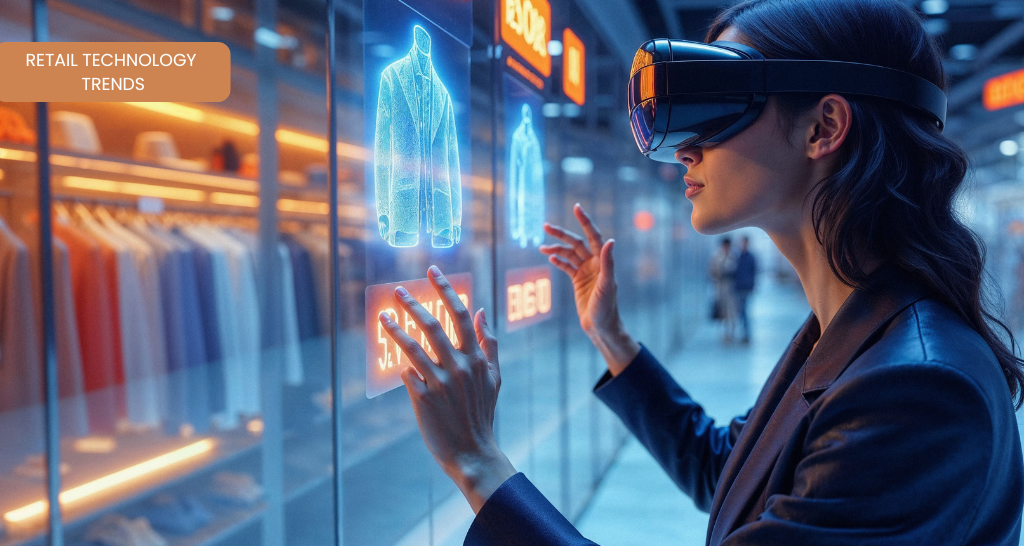
Augmented Reality (AR) and Virtual Reality (VR) technologies have gained significant traction in the retail sector, reshaping how customers interact with products and brands. These innovative tools provide immersive experiences that allow shoppers to visualize items in their own environment or virtually try them on before purchase. By bridging the gap between online and in-store shopping, AR and VR are helping retailers enhance the overall customer experience.
One notable example is IKEA, which has implemented AR technology through its IKEA Place app. This application enables customers to visualize how furniture pieces will look in their homes by using their smartphones. Users can virtually place items in their living spaces, offering a realistic preview and helping to inform purchasing decisions. This seamless integration of AR allows prospective buyers to engage with products like never before, reducing uncertainty and enhancing buyer confidence.
Another notable case is Sephora, which has introduced a Virtual Artist feature within its mobile app. This feature enables customers to digitally try on various makeup products using facial recognition technology. By allowing users to experiment with different shades and styles without the need for physical samples, Sephora has effectively leveraged VR to transform the cosmetic shopping experience. The convenience and personalization offered by such applications appeal to a wide audience, ultimately driving sales and increasing customer loyalty.
As AR and VR technologies become more sophisticated, their potential applications in retail continue to expand. From virtual fitting rooms in fashion to immersive experiences in home decor, these technologies are poised to play a pivotal role in the evolution of the retail landscape. Retailers adopting these advancements stand to benefit not only from enhanced engagement but also from a significant competitive advantage in a rapidly changing market.
Contactless Payment Solutions and Their Impact
In recent years, contactless payment solutions have emerged as a significant trend in the retail industry, fundamentally altering the shopping experience for consumers. Utilizing technologies such as Near Field Communication (NFC), these solutions allow customers to make transactions swiftly and securely by simply tapping their mobile devices or contactless cards at payment terminals. As consumer preferences evolve, the demand for speed and convenience shapes the retail landscape, making contactless payments increasingly popular.
One of the most notable impacts of this payment method is the shift in consumer behavior. Shoppers today expect to complete transactions quickly, with minimal physical interaction. This expectation has been highly influenced by the COVID-19 pandemic, which heightened awareness of hygiene and safety practices. Consumers are now gravitating towards solutions that minimize contact while ensuring a seamless checkout process.
Furthermore, the integration of mobile wallets into daily transactions has fundamentally changed how consumers view payment methods. Services such as Apple Pay, Google Pay, and Samsung Pay provide added layers of convenience and personalization. These digital wallets not only store payment information securely but also offer additional functionalities such as loyalty program integrations and discounts. This added value fosters customer loyalty, encouraging repeat business.
Security features also play a crucial role in the increasing acceptance of contactless payments. Advanced encryption technologies and biometric authentication ensure that transactions are processed securely, alleviating consumer concerns about fraud. Retailers investing in these technologies demonstrate a commitment to the safety and satisfaction of their customers, further enhancing their shopping experience.
In conclusion, contactless payment solutions are reshaping retail dynamics by meeting modern consumer expectations for convenience and security. As this trend continues to grow, retailers must adapt to integrate innovative payment methods seamlessly, which will ultimately enhance the overall shopping experience.
Omnichannel Retailing: A Necessary Strategy
In the contemporary retail landscape, omnichannel retailing has emerged as a pivotal strategy for retailers aiming to deliver a seamless shopping experience. With the proliferation of smartphones, e-commerce, and various digital platforms, consumers have become accustomed to engaging with brands through multiple touchpoints. This necessitates a cohesive approach for retailers to maintain consistency across physical stores, online marketplaces, social media, and mobile applications.
The significance of an omnichannel strategy lies in its ability to unify different channels, thus enhancing customer satisfaction and loyalty. By providing a seamless shopping experience, retailers can ensure that customers enjoy a fluid transition between channels, whether they are browsing online, purchasing in-store, or leveraging curbside pickup. Integrating technology is crucial in achieving this level of consistency, as it enables retailers to synchronize inventory management, customer data, and communication across all platforms.
Several tools and platforms have emerged to support the implementation of omnichannel strategies. Customer Relationship Management (CRM) systems play a vital role, providing insights into customer behavior and preferences across different channels. Meanwhile, advanced inventory management systems help retailers keep track of stock levels in real-time, ensuring that product availability is accurately reflected across all platforms. Additionally, marketing automation tools allow retailers to tailor their communications and promotional efforts based on customer interactions, further enhancing the omnichannel experience.
Furthermore, the integration of artificial intelligence and machine learning into retail operations allows companies to predict consumer trends and personalize the shopping journey. These technologies facilitate targeted marketing campaigns and product recommendations, ensuring that customers receive relevant content regardless of the channel they choose to engage with.
Overall, embracing an omnichannel retailing strategy is not just beneficial; it has become a necessity in the rapidly evolving retail environment. By leveraging technology and employing cohesive methods across different customer engagement platforms, retailers can significantly enhance their competitiveness and foster long-term customer loyalty.
The Role of Big Data in Retail Decision-Making
In the rapidly evolving landscape of retail, the significance of big data analytics cannot be overstated. Retailers increasingly harness large volumes of data ranging from customer behavior patterns to inventory statistics, which aids in their decision-making processes. Utilizing big data allows retailers to gain actionable insights that inform marketing strategies, optimize inventory levels, and enhance customer engagement.
For instance, a prominent clothing retailer implemented big data analytics to improve its inventory management. By analyzing sales data across different regions, the retailer identified patterns in seasonal demand fluctuations. This insight led to more accurate inventory forecasting, reducing excess stock and associated holding costs. Moreover, by deploying predictive analytics, the retailer was able to tailor its offerings to specific demographics, ensuring that the right products were available in the right locations at optimal times.
In the context of marketing, big data aids retailers in understanding consumer preferences and behaviors. Retailers such as Amazon have successfully leveraged big data to personalize marketing campaigns, recommending products based on a customer’s previous purchases and browsing history. This data-driven strategy not only increases conversion rates but also fosters customer loyalty by providing a more personalized shopping experience.
Additionally, big data plays a critical role in enhancing customer engagement. Retailers can analyze customer feedback across social media platforms and review sites, allowing them to respond effectively to market demands. By continuously monitoring customer sentiment, retailers can adjust their marketing messages and product offerings in real-time, creating a more responsive and customer-centric approach.
Overall, the integration of big data into retail decision-making processes empowers companies to make informed, strategic choices. It is this capability that transforms data from a mere byproduct into a vital asset, revolutionizing how retailers connect with customers and manage their operations.
Social Commerce: The New Frontier
In recent years, social media platforms have undergone a significant transformation, evolving from mere communication tools into powerful e-commerce channels. This trend, known as social commerce, allows brands to engage with customers directly within their social media feeds, ultimately enhancing the shopping experience and driving sales. By integrating e-commerce functionality into social networks, businesses can reach a broader audience and create personalized shopping experiences.
Platforms such as Instagram, Facebook, and TikTok are at the forefront of this innovative approach. For instance, Instagram Shopping enables brands to tag products in their posts, allowing users to click directly to product pages without leaving the app. This seamless transition from browsing to purchasing not only facilitates convenience for consumers but also eliminates barriers that might prevent impulse buys.
Moreover, brands are deploying strategies tailored to their target audiences to maximize the impact of their social commerce efforts. For example, beauty brands like Sephora excel at using user-generated content, encouraging customers to share their experiences with products. This not only fosters community engagement but also serves as authentic endorsements that can influence purchasing decisions.
Another illustrative example is Nike, which effectively utilizes Facebook and Instagram to showcase its products while also leveraging influencer partnerships. By collaborating with fitness influencers, Nike can tap into established audiences who trust these figures, creating a sense of credibility. Influencers provide real-time feedback and demonstrations, driving sales through direct interactions with potential customers.
As social commerce continues to grow, the ability for brands to connect and engage with consumers in organic, impactful ways sets the stage for a transformative retail experience. The integration of shopping features into social media platforms signifies a shift in consumer behavior, recognizing that purchasing decisions are increasingly influenced within the social realm.
Sustainable Technology Trends in Retail
The retail industry is witnessing a remarkable shift towards sustainable technology practices driven by both consumer demands and the pressing need to reduce environmental impact. As awareness of climate change and environmental degradation increases, retailers are prioritizing eco-friendly initiatives across various operational areas. This trend encompasses innovative solutions including eco-friendly packaging, energy-efficient supply chain management, and the overarching role of technology in supporting sustainability efforts.
Packaging serves as a critical focal point in the sustainable retail movement. With an increasing number of consumers advocating for reduced plastic use, many retailers are exploring biodegradable or recyclable alternatives. Sustainable packaging not only minimizes waste but also enables brands to align with environmentally conscious consumers. Advanced technology solutions, such as biodegradable materials and smart packaging that provides recyclability information, are becoming key features that appeal to eco-friendly shoppers.
Energy efficiency within supply chains represents another significant trend. Technologies such as Internet of Things (IoT) devices and artificial intelligence (AI) are playing a pivotal role in optimizing resource use. IoT sensors can monitor energy consumption in real-time, enabling retailers to identify inefficiencies and implement strategies that minimize their carbon footprint. Furthermore, AI can analyze vast amounts of data to forecast demand accurately, thus preventing overproduction and reducing waste in the supply chain.
Moreover, the integration of renewable energy sources within retail operations is gaining ground. Many companies are investing in solar or wind energy to power their stores and logistics operations, contributing to a decrease in reliance on non-renewable resources. In addition to conserving energy, these measures often result in significant cost savings over time, showcasing the dual benefit of sustainability and profitability.
In summary, the fusion of retail technology and sustainable practices is not merely a trend but a necessary evolution in the industry. By adopting eco-friendly packaging, utilizing energy-efficient processes, and incorporating renewable energy solutions, retailers can cultivate a sustainable shopping experience that resonates with environmentally conscious consumers while also ensuring operational efficiency.
Future Directions: What’s Next for Retail Technology?
The retail industry is on the brink of significant transformation, driven by advancements in technology that promise to enhance the shopping experience. As businesses navigate an increasingly competitive environment, several emerging technologies are poised to reshape the retail landscape in the years to come. Key trends include the integration of artificial intelligence (AI), augmented reality (AR), and the proliferation of the Internet of Things (IoT).
AI is set to play a critical role in personalizing the shopping experience. By analyzing vast amounts of consumer data, retailers can tailor marketing strategies and product recommendations to individual preferences, thereby increasing customer engagement and loyalty. This personalized approach not only enhances the shopper’s journey but also drives sales and boosts operational efficiency.
Augmented reality offers exciting possibilities for both online and physical retail environments. By allowing customers to visualize products in their own space or try on clothes virtually, AR can significantly improve decision-making processes while reducing return rates. Retailers are likely to invest in AR applications to create seamless and immersive shopping experiences, appealing to tech-savvy generations.
Additionally, the IoT is enabling smarter retail environments. With interconnected devices, retailers can track inventory levels in real-time, optimize supply chains, and enhance in-store experiences. Smart shelves that communicate data to retailers will not only streamline restocking processes but also provide insights into buying patterns, further refining inventory management.
As these technologies continue to evolve, retailers must stay agile, continuously adapting to changes in consumer expectations and technological advancements. Embracing these innovations will be crucial for businesses aiming to maintain relevance in the dynamic retail sector. The future of retail technology promises not only to transform the shopping experience but also to redefine the very fabric of retail operations.