Introduction to AI and Automation in Hospitality
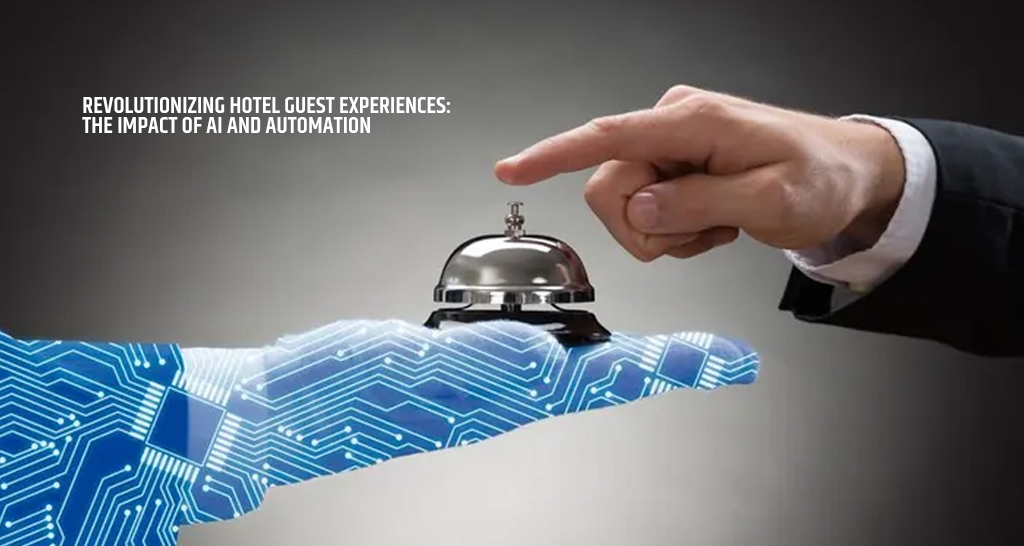
The hospitality industry has undergone significant transformations in recent years, largely driven by the integration of artificial intelligence (AI) and automation technologies. These advancements are reshaping the way businesses operate and engage with customers. AI, in particular, refers to the simulation of human intelligence processes by machines, enabling them to perform tasks that would typically require human cognition, such as understanding language, recognizing patterns, and making decisions. Automation, on the other hand, involves the use of technology to perform tasks without human intervention, optimizing workflows and enhancing efficiency.
In modern hospitality settings, incorporating AI and automation is becoming increasingly essential. Hotels, restaurants, and other hospitality providers are leveraging these technologies to streamline operations, enhance guest experiences, and reduce operational costs. For instance, AI-powered chatbots can handle customer inquiries and reservations round-the-clock, improving service availability while freeing up staff to focus on more complex tasks. This not only enhances the efficiency of service delivery but also elevates the overall customer experience.
Additionally, automation can significantly reduce the time spent on repetitive tasks such as check-ins, billing, and inventory management. Implementing smart systems allows for real-time data analysis, helping hospitality managers make informed decisions and optimize resource allocation. Furthermore, the use of AI in predictive analytics enables businesses to anticipate customer needs and preferences, providing personalized experiences that foster loyalty.
As hotels and restaurants increasingly adopt these cutting-edge technologies, the benefits of enhanced efficiency, improved customer satisfaction, and decreased operational costs become apparent. Ultimately, the strategic integration of AI and automation not only positions hospitality providers at the forefront of technological advancements but also defines their competitive edge in an ever-evolving industry.
Enhancing Guest Experience with AI
In the hospitality industry, the adoption of artificial intelligence (AI) technologies has significantly transformed the guest experience. Hospitality brands are increasingly leveraging AI to provide personalized recommendations and improve customer interactions, resulting in heightened satisfaction and loyalty among their clientele.
One prominent application of AI in this sector is the use of personalized recommendations. By analyzing guests’ past behaviors, preferences, and feedback, AI systems can suggest tailored services and offerings. For instance, hotels can offer customized dining options, activity suggestions, or amenities that resonate with individual guests, thereby creating a more engaging and memorable experience. As a result, guests feel recognized and valued, which fosters a deeper emotional connection with the brand.
Chatbots have also emerged as valuable tools for enhancing guest interactions. Many hospitality establishments have integrated AI-powered chatbots into their websites and mobile applications, providing 24/7 customer support. These chatbots can handle a wide range of inquiries, from booking confirmations to providing information about hotel amenities, eliminating the need for guests to wait for human assistance. This immediate access to information not only improves the overall efficiency of service but also contributes to a more seamless guest experience.
Furthermore, virtual assistants equipped with AI capabilities are revolutionizing hospitality services. These assistants can help guests with bookings, set reminders, and provide relevant information about the surrounding area, making their stay more convenient. For example, a virtual assistant in a hotel room can assist guests in adjusting room temperature or placing service requests, enhancing their comfort and ensuring their needs are met promptly.
By implementing these AI-driven solutions, hospitality brands can significantly enhance the guest experience, leading to increased customer satisfaction and loyalty. As AI technology continues to evolve, the potential for further innovations and improvements in guest experiences is substantial.
Streamlining Operations through Automation
The integration of automation in the hospitality industry is witnessing a significant transformation, especially within hotels and restaurants. Automation enhances operational efficiency by reducing the time spent on routine tasks, thereby allowing staff to focus on guest services and improving overall customer satisfaction. One notable area where automation has made substantial inroads is inventory management. Automated inventory systems use real-time data to track stock levels, monitor usage trends, and predict ordering needs. This ensures that hotels and restaurants can maintain optimal stock levels, reducing the risk of overstocking or running out of essential items.
Another prominent application of automation is in the check-in and check-out processes. Self-service kiosks and mobile check-in applications empower guests to manage their own check-in and check-out experience. This not only minimizes wait times but also reduces the workload on front desk staff, allowing them to engage more effectively with guests who require additional assistance. The gathered data can also enhance personal interactions, providing tailored experiences based on previous stays.
Moreover, the adoption of robotic systems within kitchens is revolutionizing food preparation. Robots equipped with AI technology can assist in tasks such as chopping, mixing, and even cooking, thus ensuring consistent food quality while allowing chefs to concentrate on innovative culinary creations. This not only streamlines food production but also diminishes the likelihood of human error, which can lead to incorrect orders and food waste.
In conclusion, the amalgamation of automated systems in hospitality operations leads to remarkable efficiency gains and significant reductions in human error. By harnessing these technologies, hotels and restaurants can optimize their processes, enhance guest experiences, and ultimately drive profitability in an increasingly competitive market.
Data-Driven Decision Making
In the contemporary hospitality industry, the integration of artificial intelligence (AI) is increasingly pivotal in driving data analytics. From enhancing operational efficiencies to improving guest experiences, AI plays a crucial role in the collection and analysis of guest data. By utilizing advanced algorithms and machine learning techniques, hospitality brands can gain valuable insights into customer preferences and behaviors, which significantly influences their decision-making processes.
One key area where AI impacts data-driven decision making is through the optimization of pricing strategies. By analyzing historical booking patterns, seasonal trends, and real-time market conditions, AI systems can recommend optimal pricing adjustments to maximize revenue. For instance, major hotel chains like Marriott and Hilton employ dynamic pricing models that adjust rates based on various data inputs, ensuring competitiveness while maximizing occupancy rates.
Additionally, AI facilitates targeted marketing efforts by segmenting the customer base and personalizing communication. Brands such as Booking.com and Airbnb utilize AI algorithms to analyze user data, enabling them to create highly tailored marketing campaigns that resonate with individual preferences. This targeted approach not only enhances customer engagement but also increases the likelihood of conversion, ultimately driving bookings and customer loyalty.
Moreover, predictive analytics powered by AI enables hospitality businesses to anticipate guest needs and behaviors, leading to a more personalized experience. For example, hotels that implement AI-driven chatbots can analyze guest inquiries and preferences, allowing staff to deliver tailored recommendations and services that cater to specific interests. This level of personalization not only boosts guest satisfaction but also encourages repeat visits.
In essence, leveraging AI for data analytics empowers hospitality brands to make informed and strategic decisions that enhance overall performance, ensuring a competitive edge in a rapidly evolving marketplace.
Personalization at Scale
In the hospitality industry, creating tailored experiences for guests has become paramount. With the advent of artificial intelligence (AI) and automation, hospitality brands can now harness advanced technologies to deliver personalization at scale. AI-powered solutions utilize machine learning algorithms to analyze vast amounts of data related to customer behavior and preferences. This data-driven approach enables hotels and restaurants to customize their offerings, services, and communications, ultimately fostering deeper guest loyalty and engagement.
Machine learning plays a crucial role in this personalization journey. By examining historical booking patterns, customer reviews, and real-time feedback, these algorithms can identify trends and preferences specific to each guest. For instance, if a guest consistently opts for gluten-free meal options, the system can proactively suggest similar dishes during their next visit or even remind them of their dietary preferences in reservation confirmations. Such proactive engagement ensures that the guest feels valued and understood, enhancing their overall experience.
Furthermore, AI can help streamline marketing efforts by segmenting audiences based on their preferences. By analyzing data points related to demographics, purchase history, and engagement levels, hospitality brands can create highly targeted marketing campaigns. This kind of segmentation allows for personalized promotional offers that resonate with individual guests, increasing the likelihood of bookings and repeat visits. With automated systems managing these tailored communications, brands can maintain consistent and relevant interactions without overwhelming their staff.
Through the implementation of AI-driven personalization strategies, the hospitality industry is witnessing a transformation in how brands connect with their guests. This evolution not only enhances guest satisfaction but also drives loyalty, as travelers increasingly seek personalized experiences that cater to their unique preferences and needs.
Challenges and Ethical Considerations
As the hospitality industry increasingly turns towards artificial intelligence (AI) and automation, several challenges and ethical considerations emerge. One of the primary concerns relates to data privacy. The implementation of AI systems often involves the collection and analysis of vast amounts of personal data from customers. This raises significant questions about how this information is used, secured, and whether customers are adequately informed about its collection. The hospitality sector must ensure that it adheres to regulations such as GDPR and prioritizes customer privacy to maintain trust and loyalty.
Another critical aspect is the potential job displacement caused by automation. While AI can enhance operational efficiency and reduce costs, it can also result in reduced staffing needs. Employees in positions such as reception, concierge, and restaurant service could find their roles diminished or eliminated altogether. This not only has implications for individual livelihoods but can also affect staff morale and the overall culture of hospitality establishments. It is essential for organizations to consider strategies that can balance automation with workforce implications, such as reskilling and upskilling current employees to adapt to new roles in an AI-driven environment.
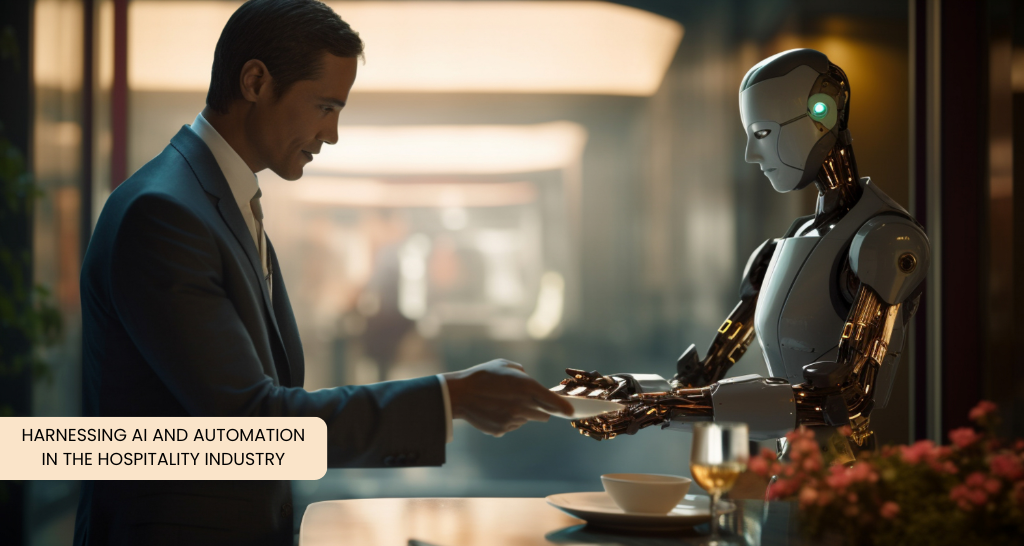
Furthermore, maintaining the human touch in customer service is pivotal, especially in an industry that thrives on personal interactions. The essence of hospitality lies in creating personalized experiences for guests. Automation, while efficient, may lack the warmth and emotional intelligence that human staff provide. As technology evolves, the challenge will be to find a harmonious balance between leveraging AI capabilities and ensuring that genuine human connections remain at the forefront of customer service.
Future Trends in AI and Automation in Hospitality
The hospitality industry is poised for significant transformations driven by advancements in AI and automation. As businesses increasingly seek efficiency and enhanced guest experiences, emerging technologies are set to redefine various operational aspects. One prominent trend is the incorporation of voice command systems in hotel rooms and restaurants. These systems enable guests to control room settings, request services, and access local information seamlessly, ultimately improving customer satisfaction and operational efficiency.
Another notable innovation is the rise of AI-driven restaurant management tools. These applications assist in streamlining reservations, optimizing table management, and analyzing customer preferences. By leveraging machine learning algorithms, restaurants can offer personalized dining experiences, recommend dishes based on previous orders, and manage inventory more effectively. As the industry grapples with fluctuating demands, such tools provide a competitive edge by ensuring that establishments can cater to customer needs while minimizing waste and operational costs.
Predictive analytics also stands out as a critical component in future trends within hospitality. By harnessing comprehensive data sets, including past customer interactions and behavioral patterns, businesses can forecast customer preferences and trends. This proactive approach allows hotels and restaurants to tailor their services, anticipate peak times, and manage staffing levels more effectively. As these technologies evolve, the ability to provide customized offerings based on real-time data will likely become a standard expectation in the hospitality sector.
In conclusion, the integration of voice command systems, AI-driven management tools, and predictive analytics will play a crucial role in shaping the future of the hospitality industry. As these technologies continue to emerge and advance, their potential to enhance operational efficiency and improve guest experiences cannot be overstated.
Case Studies of Successful Implementations
In the realm of the hospitality industry, several brands have successfully integrated AI and automation solutions, demonstrating significant benefits and offering valuable insights into best practices. One notable example is Hilton Hotels, which has utilized AI-driven chatbots to enhance guest interactions. By implementing this technology, Hilton has improved its customer service efficiency, enabling guests to make reservations, request information, and resolve issues through interactive, real-time responses. This approach has resulted in a greater customer satisfaction rate, with guests appreciating the instant support provided by the AI system.
Another notable case comes from Marriott International, which has deployed an advanced revenue management system powered by AI analytics. This system analyzes vast amounts of data, including market trends and consumer behavior, to optimize pricing strategies. As a result of these efforts, Marriott has experienced increased revenue per available room, enabling better profitability while maintaining competitive pricing. The lessons learned here highlight the necessity of aligning technology with business objectives and the importance of ongoing data analysis to inform decision making.
The use of automation in housekeeping has also seen successful implementation at the CitizenM hotel chain. By utilizing robots for cleaning and room service deliveries, CitizenM has optimized operational efficiency and reduced labor costs. This automation initiative has allowed staff to focus on more personalized guest interactions, thereby enhancing the overall guest experience. The chain’s experience underscores the value of carefully evaluating tasks that can be automated to improve service delivery without compromising quality.
These case studies not only showcase the potential of AI and automation in hospitality but also emphasize the importance of strategic implementation. By observing successful models, hospitality brands can glean important insights and lessons to inform their own technology adoption, ensuring they meet evolving guest expectations while driving operational excellence.
Conclusion: The Road Ahead for Hospitality Brands
The hospitality industry is undergoing a transformative phase, propelled by advancements in artificial intelligence (AI) and automation. As discussed throughout this blog post, the integration of these technologies is not just beneficial but essential for hospitality brands seeking to enhance operational efficiency and elevate the guest experience. By leveraging AI-powered tools, such as chatbots for customer service and predictive analytics for revenue management, organizations can streamline their processes while ensuring that their offerings align with customer expectations.
Moreover, the automation of routine tasks allows hotel staff to focus on more personalized guest interactions, fostering a deeper connection with patrons. This synergy between technology and human touch is vital; while AI serves to improve efficiency and accuracy, it is the authentic engagement with customers that ultimately drives loyalty and satisfaction. Hospitality brands that embrace this balance stand to gain a competitive edge in an increasingly crowded marketplace.
As we step into a future defined by rapid technological advancements, it is crucial for hospitality leaders to actively incorporate AI and automation into their operational frameworks. This requires not only investment in cutting-edge technology but also a cultural shift within organizations to adopt an innovative mindset. Training staff to work alongside these new systems, while emphasizing the importance of customer relationships, will be key in maximizing the benefits.
In conclusion, the road ahead for hospitality brands is one filled with opportunities and challenges. Embracing AI and automation is no longer optional; it is a necessary step toward remaining relevant in a dynamic environment. By blending innovation with heartfelt service, hospitality brands can ensure they not only meet but exceed the expectations of modern travelers, guaranteeing long-term success and engagement in a changing landscape.