Introduction to Intelligent Automation
Intelligent automation represents a transformative advancement in the landscape of technology, blending traditional automation methods with cutting-edge artificial intelligence (AI) technologies. Unlike traditional automation, which typically employs repetitive task execution based on predefined rules, intelligent automation utilizes advanced algorithms and data-driven insights to improve decision-making processes. This results in not only efficiency gains but also enhanced adaptability to changing environments.
At its core, intelligent automation integrates several crucial components, including robotic process automation (RPA), machine learning, and cognitive computing. RPA focuses on automating structured, rule-based tasks, enabling organizations to streamline operations and reduce human error. However, the power of RPA is significantly enhanced when paired with machine learning, which empowers systems to learn from data patterns and improve performance over time. Cognitive computing further augments this by mimicking human thought processes, allowing systems to engage in reasoning and understanding complex scenarios.
The distinction between these forms of automation is vital. Traditional automation is often limited to tasks that can be explicitly defined and programmed, whereas intelligent automation encompasses the broader capabilities inherent in AI and machine learning. This evolution has substantial implications across various industries, as businesses increasingly recognize the potential of intelligent automation to not only enhance operational efficiency but also drive innovation and competitive advantage.
As companies embrace intelligent automation, they unlock new opportunities for transforming workflows, improving customer experiences, and driving strategic initiatives. The importance of understanding intelligent automation has never been greater, as stakeholders seek to navigate the complexities of a rapidly changing digital economy. This foundational knowledge sets the stage for exploring the profound significance of intelligent automation in today’s modern industries.
The Evolution of Automation Technologies
The journey of automation technologies has been marked by significant milestones that illustrate a transition from simple mechanization to sophisticated intelligent automation. The inception of automation can be traced back to the late 18th and early 19th centuries, where inventions such as the steam engine and mechanized looms revolutionized manufacturing processes. These early devices were designed primarily to reduce manual labor and enhance productivity, laying the groundwork for what would eventually become advanced automation.
As industries evolved, the introduction of programmable logic controllers (PLCs) in the 1960s and 1970s marked a turning point in automation. PLCs enabled more flexible and efficient control of machinery and processes, allowing for tailored solutions to diverse production needs. This period also saw the rise of computer-based systems, which allowed for the integration of data processing in automation, further increasing efficiency and accuracy.
The late 20th century heralded the advent of robotics in manufacturing. Industrial robots began to take on repetitive tasks, significantly reducing human error and increasing production rates. With the development of sensors and advanced programming, robots could operate in complex environments and adapt to different tasks. Alongside robotics, there was growing interest in artificial intelligence (AI), which introduced the possibility of machines performing tasks typically requiring human intelligence.
The dawn of the 21st century marked a remarkable shift toward intelligent automation, where AI and machine learning fused with traditional automation processes. This evolution has enabled systems to not only perform tasks but also to learn from data and make informed decisions. Companies began to harness these capabilities to optimize operations, enhance customer experiences, and drive innovation, reflecting a significant paradigm shift in how businesses operate.
Key Drivers Behind the Adoption of Intelligent Automation
Intelligent automation is gaining traction across various industries owing to several compelling factors. One of the primary drivers is the imperative need for operational efficiency. Organizations are under constant pressure to streamline their processes, reduce inefficiencies, and maximize output. Intelligent automation leverages technologies such as artificial intelligence (AI) and machine learning (ML) to optimize workflows, enabling businesses to enhance their operational capabilities significantly.
Cost reduction is another critical factor propelling the adoption of intelligent automation. By automating routine tasks and processes, organizations can significantly lower labor costs and minimize the occurrence of errors. This is particularly important in highly competitive markets where operational costs can directly impact profit margins. Furthermore, the long-term savings and return on investment from intelligent automation initiatives are attracting businesses to explore these technologies as viable solutions.
Enhanced customer experiences are also at the forefront of the adoption of intelligent automation. Customers today expect quick and personalized services. Intelligent automation enables organizations to respond to customer inquiries promptly and accurately, thus improving overall satisfaction. From chatbots providing instant support to automation in processing orders and payments, intelligent automation plays a crucial role in meeting and exceeding customer expectations.
Another significant factor is the capability to manage and analyze large volumes of data. In the data-driven age, organizations are finding it increasingly challenging to extract actionable insights from vast datasets. Intelligent automation tools can process and analyze this data effectively, offering businesses the intelligence needed to make informed decisions. The insights gained through these analyses can drive strategic initiatives and innovation.
Additionally, the COVID-19 pandemic has acted as a catalyst for accelerating the adoption of intelligent automation. During the pandemic, organizations faced unprecedented challenges, such as remote work and heightened demand for digital services. Intelligent automation provided solutions to adapt and thrive in this new landscape, allowing businesses to remain resilient.
Benefits of Intelligent Automation in Business
Intelligent automation has emerged as a critical tool for businesses striving to enhance operational efficiency and maintain competitive advantage. One significant benefit of intelligent automation is the substantial boost in productivity it provides. By automating repetitive and time-consuming tasks, companies can redirect their human resources towards more strategic initiatives. This shift not only increases output but also allows for a more efficient allocation of labor, ultimately leading to improved business performance.
Moreover, intelligent automation greatly enhances accuracy. Automated systems are less prone to errors compared to manual processes, which fosters consistency and reliability in tasks ranging from data entry to complex analytical procedures. This accuracy is invaluable, particularly in industries where precision is paramount, such as finance and healthcare. Organizations such as Siemens have reported significant error reduction after incorporating automation into their processes, leading to higher quality outputs.
Additionally, employee satisfaction tends to rise with the implementation of intelligent automation. By taking over monotonous tasks, automation allows employees to focus on more engaging and fulfilling work. This not only enhances job satisfaction but also contributes to a more positive workplace culture, where employees feel valued and motivated. For instance, Deloitte shared a case study where automating administrative tasks led to a 20% increase in employee engagement scores.
Lastly, intelligent automation facilitates rapid innovation. Businesses can leverage the time freed by automation to explore new ideas, products, and services. This flexibility is crucial in today’s fast-paced market, where customer expectations are continuously evolving. Companies like Amazon have successfully utilized intelligent automation to streamline supply chain processes, enabling faster response to market changes.
Challenges and Considerations in Implementing Intelligent Automation
As organizations increasingly integrate intelligent automation into their operations, they face various challenges that can hinder successful implementation. One of the predominant concerns is workforce displacement. While automation can enhance efficiency and reduce operational costs, it may also lead to job losses, particularly in roles that can be easily automated. Companies must assess the potential impact on their workforce and consider strategies for job transition or retraining, ensuring that employees can adapt to new roles that emerge from automation.
Another significant challenge is the complexity of integrating intelligent automation systems with existing technologies. Many businesses operate with legacy systems that were not designed to interact with modern automation tools. This integration often requires considerable investment in technology upgrades and may involve extensive planning and testing phases to ensure compatibility. Organizations must be prepared to allocate sufficient resources, both time and financial, to ensure a smooth integration process.
Data privacy issues also arise as companies deploy intelligent automation. The handling of sensitive information by automated systems necessitates strict compliance with data protection regulations, to maintain consumer trust and safeguard against cyber threats. Businesses must implement rigorous data management policies, ensuring that automation tools operate within the frameworks established by laws such as GDPR or other relevant legislation.
Lastly, resistance to change can pose a significant challenge when implementing intelligent automation. Employees may be apprehensive about the impact of automation on their jobs, leading to pushback against new processes. To combat this resistance, organizations should prioritize change management and create a culture that embraces innovation. Engaging employees through training programs, open communication, and providing support can facilitate a smoother transition toward an automated work environment.
Future Trends in Intelligent Automation
The landscape of intelligent automation is undergoing significant transformation, driven by advancements in various technological domains. One of the prominent trends is the increasing integration of artificial intelligence (AI) methodologies into automation processes. As AI algorithms become more sophisticated and capable of learning from vast datasets, organizations are likely to see improved decision-making capabilities. This evolution will allow businesses to automate complex tasks that were traditionally difficult to handle with standard automation solutions.
Another anticipated trend is the burgeoning role of analytics in driving intelligent automation. By harnessing the insights from data analytics, companies can not only streamline operations but also predict future trends and behaviors, enabling proactive decision-making. Analytics can serve as a conduit through which organizations understand their operational efficiency and quickly identify areas where automation can be applied to yield significant benefits. This synergistic relationship between analytics and automation will be critical in fostering data-driven strategies.
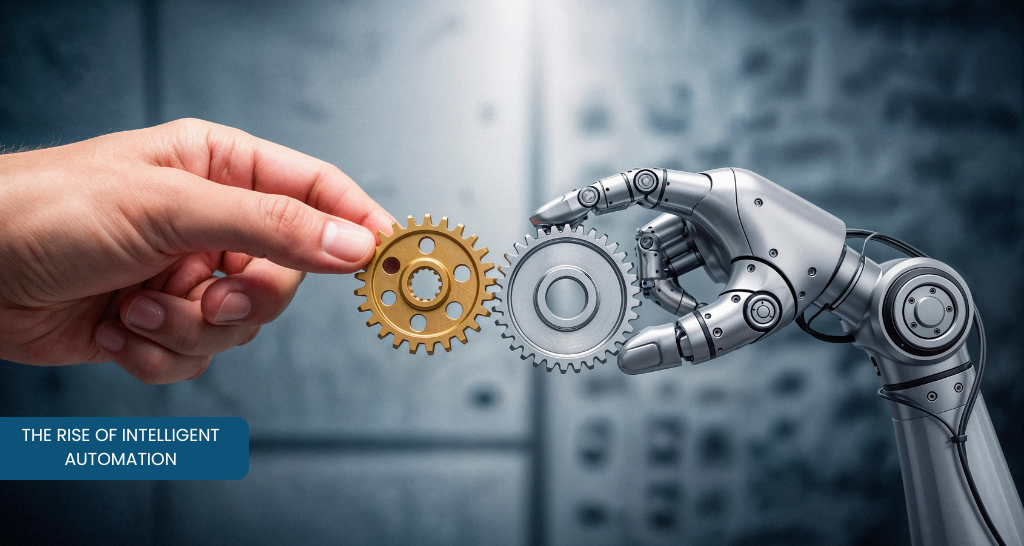
Furthermore, the potential for hybrid human-machine collaboration is emerging as a transformative trend in the future of intelligent automation. While automation technologies are designed to enhance productivity, there is an increasing recognition of the irreplaceable value of human intuition and creativity. Organizations will likely invest in training their workforce to work alongside automated systems. This collaboration will capitalize on the strengths of both machines—such as speed and precision—and humans, fostering innovation and improving overall workplace efficiency.
Industry experts suggest that the future of intelligent automation will not only focus on the tools and technologies but also on creating a culture that embraces change and innovation. By staying aligned with these trends, organizations can position themselves to navigate the evolving landscape effectively.
Intelligent Automation Across Different Industries
Intelligent automation is reshaping various sectors by integrating advanced technologies such as artificial intelligence, machine learning, and robotic process automation. Each industry adopts and utilizes these technologies to address unique challenges, enhance efficiency, and improve the overall customer experience. This section explores how the manufacturing, healthcare, finance, and customer service sectors harness intelligent automation to their advantage.
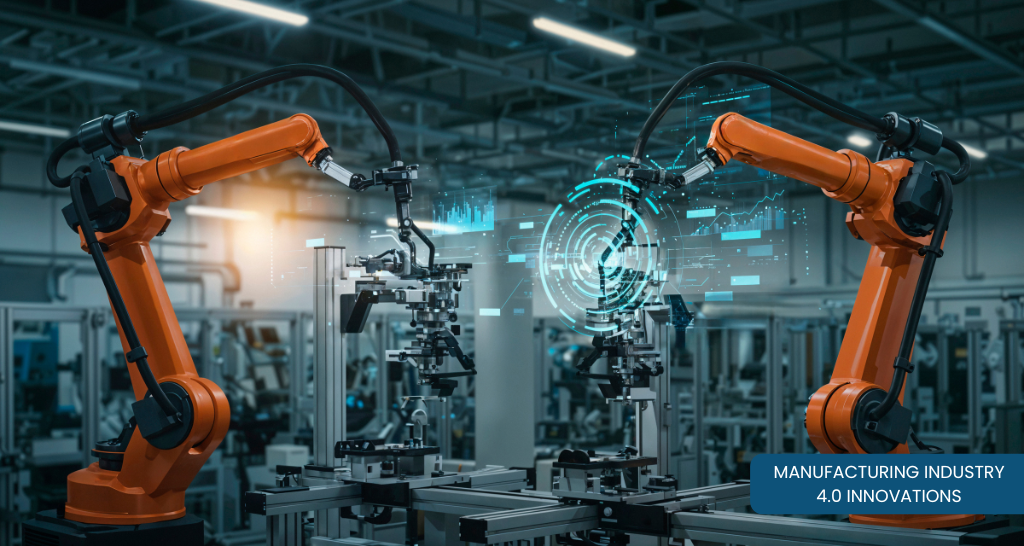
In the manufacturing sector, intelligent automation streamlines production processes, reduces human error, and lowers operational costs. For instance, companies are utilizing robots equipped with advanced sensors and AI algorithms to monitor equipment conditions, predict failures, and optimize maintenance schedules. These innovations not only enhance productivity but also ensure higher quality in product delivery.
Healthcare is another domain where intelligent automation plays a critical role. Hospitals and clinics are leveraging automation to enhance patient care and administrative processes. Automated systems can manage patient records, schedule appointments, and even assist in diagnostics through AI-powered tools. Such applications have resulted in faster decision-making and improved treatment outcomes, thus revolutionizing how healthcare is delivered.
The finance industry also witnesses significant changes due to intelligent automation. Financial institutions are adopting automated systems for fraud detection, compliance checks, and reporting. Utilizing AI for data analysis enables quicker and more accurate financial forecasting, reducing risks and enhancing strategic decision-making.
Lastly, customer service has embraced intelligent automation with the implementation of chatbots and virtual assistants. These tools provide immediate responses to customer inquiries and assist with routine tasks such as booking appointments or managing subscriptions. The result is improved customer satisfaction as communication becomes more seamless and efficient.
Overall, the implementation of intelligent automation varies across these industries, reflecting their specific operational needs and objectives. By examining these unique applications, it becomes clear that intelligent automation is not just a technological trend but a fundamental shift in business practices across sectors.
Strategies for Successful Intelligent Automation Implementation
Implementing intelligent automation within an organization requires a structured approach that ensures both effectiveness and sustainability. The first strategy is to assess organizational readiness. Leaders must evaluate the current processes, workforce capabilities, and existing technology infrastructure. This assessment will provide insights into potential challenges and guide the establishment of realistic goals aligned with business objectives.
Choosing the right technologies is crucial for a successful implementation. Organizations should conduct thorough research on various automation tools and platforms, considering factors such as scalability, integration capabilities, and user-friendliness. In particular, technologies that support machine learning and natural language processing can greatly enhance the automation process by enabling more complex decision-making.
Cultivating a culture of continuous improvement is another cornerstone of successful intelligent automation. Organizations must engage employees from all levels to foster an atmosphere where innovation is encouraged, and feedback is actively sought. This can be achieved through regular training programs, workshops, and open communication channels that allow team members to share their experiences and suggestions for refining automated processes.
Additionally, organizations may benefit from initiating pilot projects. These smaller-scale implementations can serve as testing grounds for new technologies and approaches, allowing organizations to fine-tune their strategies before a wider rollout. Feedback from these pilot projects can inform broader implementation strategies, ensuring that lessons learned are integrated into subsequent phases.
Lastly, a phased rollout can facilitate smoother transitions. This approach allows teams to focus on specific areas or processes first, helping to manage change effectively while ensuring that all stakeholders are adequately prepared. By applying these strategies, organizations can enhance their chances for successful intelligent automation implementation, ultimately driving efficiencies and innovation in their operations.
Conclusion: The Future of Work in an Automated World
The emergence of intelligent automation signifies a transformative phase in the workforce and broader society. As technology ventures beyond rudimentary automated tasks and into realms requiring cognitive capabilities, its integration into various industries is poised to redefine employment landscapes. While some may perceive these advancements as a threat to job security, a closer examination reveals that intelligent automation has the potential to create synergy between human skills and technological proficiency.
First and foremost, it is pivotal to recognize that while machines and software can enhance efficiency, they are not substitutes for the creativity, empathy, and problem-solving abilities inherent to humans. Thus, the most beneficial approach to navigating this automated future lies in fostering a dialogue about the coexistence of humans and intelligent systems. Emphasis should be placed on reskilling and upskilling the workforce, ensuring that individuals are equipped with the necessary tools to thrive in an increasingly automated environment.
Additionally, organizations must embrace a culture that promotes collaboration between human employees and automation technologies. This relationship should not be viewed merely as complementary but as synergistic, where each entity’s strengths enhance the overall productivity and innovation of the workplace. By leveraging human intellect and emotional intelligence alongside machine precision and data analysis capabilities, companies can unlock new potentials.
In conclusion, the future of work in an automated world is not solely about the displacement of jobs but rather about the reimagining of roles. The intelligent automation revolution calls for a proactive approach from policymakers, educational institutions, and businesses alike to create a workforce that adapts and flourishes. Through strategic planning and an emphasis on human potential, society can capitalize on the advantages of automation while minimizing its challenges, thus fostering a future where both humans and machines can thrive together.