Introduction to Industry 4.0
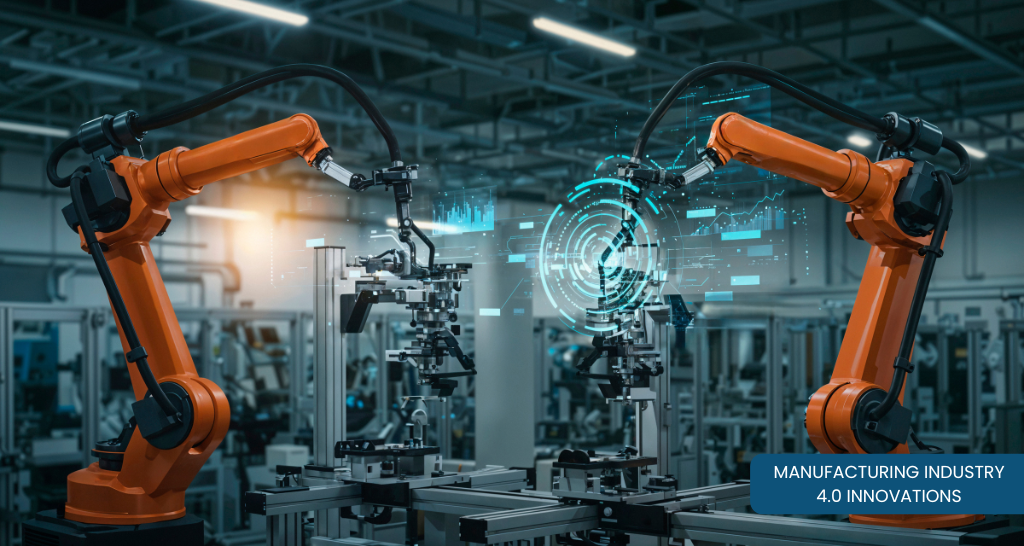
Industry 4.0 marks a significant transformation in the manufacturing landscape, representing the fourth industrial revolution where digital technology is integrated into the production process. This new era began in the early 2010s, fueled by advancements in various technologies such as the Internet of Things (IoT), artificial intelligence (AI), and big data analytics. It aims to create smart factories that enhance productivity, efficiency, and flexibility through interconnected systems.
The origins of Industry 4.0 can be traced back to Germany, where the term was first coined to address the increasing need for automation and data exchange in manufacturing. The German government launched a strategic initiative aimed at promoting the use of advanced technologies in manufacturing, highlighting the role of cyber-physical systems. These systems merge the physical environment with digital technology, paving the way for real-time communication and automation throughout the production process.
The significance of Industry 4.0 in the manufacturing sector lies in its ability to revolutionize traditional practices. With the incorporation of IoT, machines and sensors can communicate with one another and provide useful data for improving production processes. This interconnectedness allows for predictive maintenance, whereby potential machine failures can be anticipated and addressed before they disrupt operations. Additionally, the shift towards automation minimizes human errors and optimizes resource utilization, substantially enhancing output.
Moreover, Industry 4.0 promotes advanced manufacturing practices that not only increase efficiency but also cater to individualized consumer demands. By leveraging data analytics, manufacturers can respond to changes in market trends swiftly and effectively, ensuring they stay competitive in an ever-evolving landscape. Ultimately, Industry 4.0 represents a paradigm shift in manufacturing, emphasizing the importance of integrating technology to drive growth and innovation.
Key Technologies Driving Industry 4.0
The manufacturing sector is undergoing a significant transformation, largely attributable to the emergence of Industry 4.0 technologies. At the heart of this evolution lies the Internet of Things (IoT), which facilitates seamless interconnectivity among machines, devices, and systems within the manufacturing landscape. IoT enables real-time data exchange, allowing manufacturers to monitor operational processes and enhance product quality through immediate feedback and corrective actions.
Another crucial technology is artificial intelligence (AI), which empowers machines and systems to learn from data and make informed decisions. AI algorithms can analyze production patterns, predict maintenance needs, and improve supply chain efficiency. For instance, predictive analytics can help identify potential equipment failures before they occur, significantly reducing downtime and maintenance costs.
Big data analytics plays a pivotal role in processing vast amounts of information generated by connected devices. By extracting meaningful insights from this data, manufacturers can optimize operations and drive innovation. The implementation of big data strategies enables companies to identify trends, streamline processes, and enhance customer satisfaction through tailored products and services.
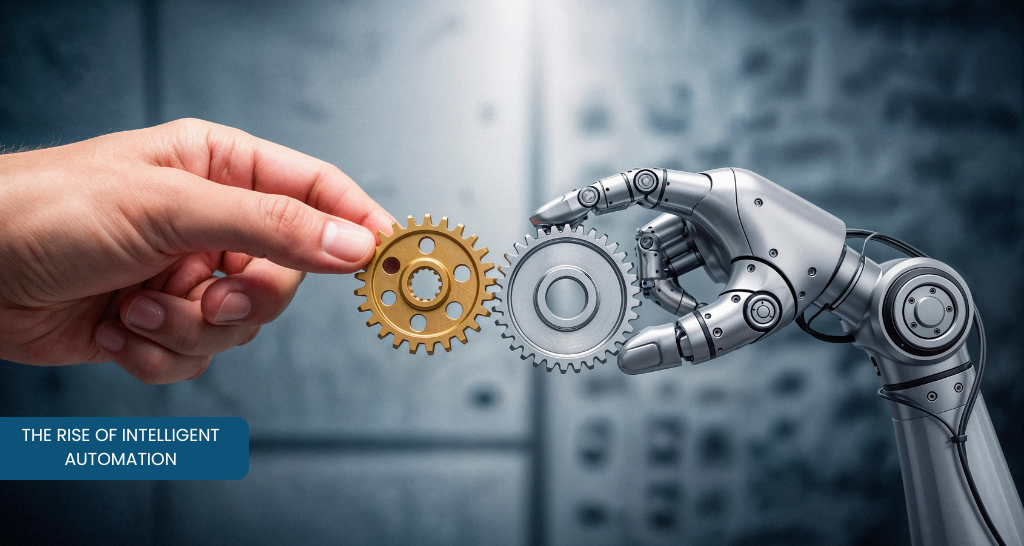
Robotics also stands as a cornerstone of Industry 4.0, with automation revolutionizing assembly lines and production workflows. Advanced robots equipped with AI capabilities can perform complex tasks with precision and adaptability, thereby increasing efficiency and lowering production costs. In real-world applications, collaborative robots, or cobots, work alongside human operators, augmenting their capabilities and facilitating a more flexible manufacturing environment.
Lastly, cloud computing offers the necessary infrastructure to support the vast networks formed by IoT and AI applications. By enabling secure data storage and collaboration across platforms, cloud computing fosters an agile manufacturing model, where information can be accessed and shared instantaneously. This interconnectedness ultimately leads to improved operational agility and responsiveness to market demands.
The Role of IoT in Manufacturing
The Internet of Things (IoT) represents a transformative shift in the manufacturing industry, particularly with the advent of Industry 4.0. IoT encompasses a broad network of connected devices and smart sensors that collect and exchange data, thereby facilitating real-time monitoring of manufacturing processes. By leveraging these technologies, manufacturers can achieve unprecedented levels of visibility and control over their operations.
One of the primary advantages of IoT in manufacturing is the ability to perform predictive maintenance. Smart sensors can monitor the performance of machinery in real-time, detecting anomalies and predicting potential failures before they occur. This proactive approach not only minimizes equipment downtime but also extends the lifecycle of assets, contributing significantly to operational efficiency.
Moreover, IoT technologies enhance supply chain management by integrating various components of the manufacturing process. Connected devices allow for seamless communication between suppliers, manufacturers, and distributors. As a result, manufacturers can track inventory levels, monitor the movement of goods, and adjust production schedules based on real-time data. This level of insight leads to optimized supply chain operations, reducing lead times and associated costs.
With the implementation of IoT solutions, manufacturers can also employ advanced analytics to process vast amounts of data generated by connected devices. Insights derived from this data can inform decision-making, enabling manufacturers to identify trends, improve quality control, and streamline production processes. By adopting the IoT ecosystem, the manufacturing sector is taking a significant step towards automation and operational excellence.
Artificial Intelligence and Machine Learning Applications
The integration of artificial intelligence (AI) and machine learning (ML) in the manufacturing sector represents a significant leap toward enhancing operational efficiencies and productivity under the framework of Industry 4.0. These advanced technologies leverage extensive data sets to enable manufacturers to make informed decisions, predict outcomes, and streamline processes, ultimately optimizing manufacturing performance.
One of the profound applications of AI in manufacturing is quality control. Traditionally, quality assurance processes relied heavily on manual inspections, which can be time-consuming and prone to human error. Implementing AI-driven systems allows for real-time monitoring of production lines, utilizing computer vision to detect defects with precision. This not only ensures higher quality products but also reduces waste and enhances overall operational efficiency.
Similarly, AI and ML technologies significantly influence inventory management practices. By employing predictive analytics, manufacturers can analyze historical data to forecast inventory needs more accurately. This proactive approach minimizes the risk of overstocking or stockouts, leading to optimized supply chain operations. In addition, machine learning algorithms can adapt to changes in demand patterns, allowing manufacturers to respond swiftly and effectively to market fluctuations.
Another vital aspect where these technologies come into play is demand forecasting. AI algorithms analyze external factors such as economic trends, seasonality, and consumer behavior to deliver precise demand predictions. By aligning production schedules with anticipated market needs, manufacturers can enhance their agility and reduce operational costs, improving their competitive stance in the marketplace.
Through the implementation of artificial intelligence and machine learning applications, manufacturers not only improve their decision-making processes but also foster innovation and efficiency across various facets of the production cycle. As these technologies continue to develop, their role in driving forward the manufacturing landscape will become ever more prominent.
Benefits of Automation and Robotics
The integration of automation and robotics in the manufacturing sector represents a significant leap forward within the framework of Industry 4.0. The benefits of these technologies are numerous, enabling organizations to enhance productivity and maintain competitiveness in an increasingly globalized market.
One of the primary advantages of implementing robotic systems is speed. Automated machinery operates at a rapid pace, allowing tasks that require repetitive motion or precision to be completed in a fraction of the time it would take human workers. This reduction in production time can lead to faster turnaround for orders and enhanced customer satisfaction.
Moreover, the precision offered by robotics is unparalleled. Robots can achieve high levels of accuracy, which minimizes the incidence of errors during production. For example, in the automotive industry, companies employing robotic assembly lines have reported substantial reductions in defects, thereby ensuring higher quality products and less waste.
Safety also plays a crucial role in the discussion of automation. The deployment of robots can mitigate risks associated with hazardous tasks, such as lifting heavy materials or operating dangerous machinery. By taking on these roles, robots help to reduce workplace injuries and associated costs, ultimately fostering a safer work environment for human employees.
Cost reduction is another significant advantage of automating manufacturing processes. While the initial investment in robotic systems can be substantial, the long-term savings from increased efficiency and reduced labor costs can create a favorable return on investment. Many companies, such as Amazon and Tesla, have embraced automation and robotics to streamline operations. Amazon utilizes a vast array of robotic systems in their warehouses that optimize inventory management and fulfill orders seamlessly.
In conclusion, the benefits of automation and robotics in manufacturing are profound, enhancing speed, precision, safety, and cost efficiency. As industries continue to evolve, it is imperative for manufacturers to consider the adoption of these technologies to secure a competitive edge.
Data-Driven Decision Making in Manufacturing
In today’s rapidly evolving manufacturing landscape, data-driven decision making has become a cornerstone of industry 4.0. By harnessing the power of big data and analytics, manufacturers can transform their operational strategies and address challenges effectively. The collection of data can occur through various methods, including IoT devices, sensors, and automated reporting systems, which capture critical information throughout the production process.
Once data is collected, manufacturers utilize analytical tools to interpret and derive meaningful insights. These tools can vary from statistical software packages to advanced machine learning algorithms, each designed to reveal patterns, trends, and anomalies within the data set. For example, predictive analytics not only forecasts potential equipment failures but can also identify inefficiencies in production lines. This proactive approach enables manufacturers to implement improvements before problems escalate, thus enhancing overall efficiency.
The insights gained from data analysis play a vital role in refining production processes, assuring product quality, and ensuring operational excellence. By interpreting data effectively, manufacturers can initiate quality control measures that are more informed and targeted, significantly reducing waste and rework. Furthermore, data-driven strategies foster a culture of continuous improvement, where employees at all levels are encouraged to utilize data insights for operational refinements.
As manufacturers adopt these innovative data-driven methodologies, they position themselves to respond dynamically to market demands and consumer preferences. This responsiveness is crucial for remaining competitive in a fast-paced industry. Moreover, the integration of data analytics allows for streamlined operations and better resource allocation, ultimately enhancing profitability.
Challenges and Risks Associated with Manufacturing 4.0
The integration of Industry 4.0 innovations brings forth not only opportunities but also a myriad of challenges and risks that must be carefully considered. One of the most pressing concerns is the issue of cybersecurity. As manufacturing processes increasingly depend on interconnected systems and the Internet of Things (IoT), the potential for cyberattacks rises substantially. Disruptions triggered by security breaches can lead to significant operational downtime, data theft, and loss of intellectual property, thereby posing a serious threat to the viability of organizations within the manufacturing sector.
Another prominent challenge is workforce displacement due to automation. The introduction of advanced robotics and artificial intelligence in manufacturing may enhance efficiency but can simultaneously render certain job roles obsolete. Workers who lack the necessary skills to operate and maintain new technologies may find themselves at risk of unemployment, creating a pressing need for strategic workforce transitions and upskilling initiatives.
The necessity for new skill sets is compounded by the rapid pace of technological advancement within Industry 4.0. Manufacturers must not only ensure that their current workforce is trained appropriately but also attract new talent proficient in fields such as data analytics, machine learning, and cybersecurity. Implementing training programs to equip employees with these competencies is essential for sustaining competitive advantage.
Furthermore, the integration of disparate technologies into existing systems presents its own set of challenges. Many organizations utilize legacy systems that may not seamlessly interface with modern technologies, leading to compatibility issues, increased costs, and operational risk. Successful implementation of Industry 4.0 solutions requires careful planning and coordination, as well as a willingness to invest in infrastructure that supports seamless technology integration.
Future Trends in Manufacturing Innovations
The manufacturing sector is steadily moving into an era characterized by significant innovations, driven by advancements in technology and evolving consumer demands. One of the key trends in this sector is the rise of nanotechnology, which enables the creation of materials and processes at the molecular or atomic level. This technology holds the potential to revolutionize product quality, enhance performance, and reduce waste in manufacturing processes, particularly in industries such as electronics and pharmaceuticals.
In addition to nanotechnology, sustainable manufacturing practices are gaining traction as companies increasingly prioritize environmental responsibility. These practices not only help reduce carbon footprints but also contribute to cost savings and operational efficiencies. Companies are exploring circular economy principles where materials are reused and recycled, extending the lifecycle of products and minimizing waste. Moreover, sustainable approaches such as energy-efficient production methods, reduced resource consumption, and eco-friendly materials are becoming essential for compliance with regulations and meeting customer expectations.
Another noteworthy trend shaping the future of manufacturing is the evolving landscape of global supply chains, significantly influenced by digital technologies. The adoption of advanced analytics, IoT (Internet of Things), and blockchain technology is transforming traditional supply chain management into a more interconnected and responsive system. This level of digitization enhances visibility across supply chains, enabling manufacturers to track resources, manage inventory efficiently, and respond swiftly to market changes. Firms that leverage these technologies stand to gain a competitive advantage by optimizing their processes and improving overall efficiency.
As we look ahead, it is evident that the manufacturing innovations seen today are merely precursors to the transformative changes on the horizon. By embracing advancements in nanotechnology, sustainable practices, and digital supply chains, manufacturers are poised to thrive in an ever-evolving market.
Conclusion and Industry Outlook
The advancements characterized by Industry 4.0 have ushered in a transformative era for the manufacturing sector. Key features such as smart automation, data analytics, and the Internet of Things (IoT) have been crucial in enhancing operational efficiency, driving productivity, and facilitating real-time decision-making. Throughout this blog post, we have highlighted how these innovations are reshaping processes from supply chain management to customer interaction, underscoring the importance of responsiveness and agility in today’s market.
Moreover, the integration of artificial intelligence and machine learning into manufacturing processes is expected to bring forth substantial efficiencies and cost reductions. By leveraging these technologies, manufacturers can predict machinery failures, optimize production schedules, and improve product quality. The advent of digital twins and advanced robotics also signifies the move towards more interconnected and intelligent manufacturing systems. These advancements pave the way for a more holistic approach to production and resource management.
As we look toward the future, it is imperative for manufacturers to embrace these technological innovations. The manufacturing landscape is evolving rapidly, and adapting to changes with an open mindset will be essential. Cultivating a culture of continuous learning and adaptation among employees will not only enhance workforce competencies but will also drive innovation and sustainability initiatives. Companies that prioritize skill development and are willing to experiment with new technologies will likely find themselves at the forefront of the Industry 4.0 revolution.
In conclusion, as the manufacturing industry continues to evolve with Industry 4.0 innovations, the potential for growth and efficiency is vast. Embracing these changes and fostering an adaptive workforce will be critical elements for success in an increasingly competitive global landscape.