Introduction to Future Technologies
As we approach the year 2030, a myriad of revolutionary technologies are emerging that hold the potential to transform various aspects of our daily lives, economy, and industry. These advancements are not just incremental improvements; they mark a significant leap forward in how we engage with the world around us. Technologies such as artificial intelligence (AI), robotics, biotechnology, quantum computing, and renewable energy sources are redefining what is possible and are set to reshape our future in profound ways.
One of the areas poised for transformation is healthcare, where innovations in biotechnology and AI will enable personalized treatment plans, predictive analytics, and enhanced patient care. With the integration of AI in diagnostics and treatment, patients can expect more accurate outcomes and improved health management. Moreover, advancements in genomics will pave the way for tailored therapies, ensuring that treatment is effective for each individual.
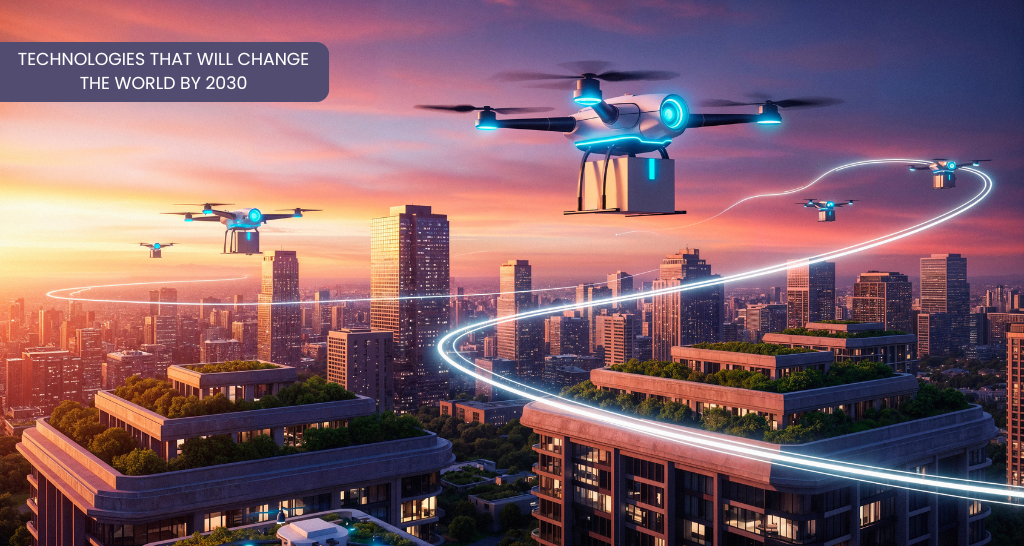
In the realm of transportation, autonomous vehicles and electric mobility solutions will redefine commuting. By leveraging AI, vehicles will communicate with each other to optimize traffic flow and minimize accidents, significantly enhancing road safety and efficiency. Furthermore, the shift towards renewable energy sources, such as solar and wind, is set to revolutionize how we power our cities and industries, promoting sustainability and reducing our carbon footprint.
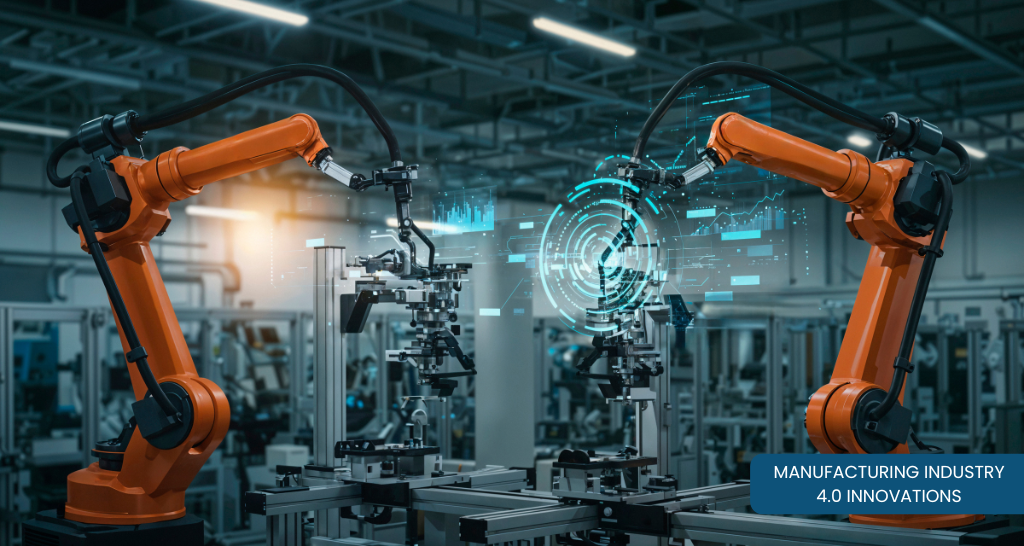
Meanwhile, industries worldwide are harnessing the power of automation and robotics to increase productivity and reduce human error. As these technologies mature, we anticipate a shift in job roles, leading to an increase in demand for tech-savvy professionals who can navigate the new landscape. This coming transformation will not only impact employment but also the very structure of our economies.
The convergence of these technologies represents a pivotal moment in human history, and the changes we embrace by 2030 may redefine our existence in ways we are just beginning to comprehend. This blog post will explore these technologies in greater detail, examining how they will collectively shape our future and influence every facet of life.
Artificial Intelligence and Machine Learning
Artificial intelligence (AI) and machine learning (ML) are at the forefront of technological innovation, poised to significantly impact various sectors by 2030. These advanced technologies enable systems to learn from data, identifying patterns and making decisions with unprecedented accuracy. In the realm of healthcare, AI is transforming patient care through predictive analytics and personalized medicine. Tools powered by machine learning can analyze vast amounts of clinical data, assisting healthcare professionals in diagnosing diseases with greater precision, ultimately leading to improved patient outcomes.
Moreover, the financial sector is integrating AI and ML to enhance security measures and streamline operations. Algorithms can detect fraudulent transactions in real-time, safeguarding both consumers and institutions. Additionally, these technologies help in risk assessments, optimizing investment portfolios, and automating various processes, such as customer service through chatbots. This integration not only increases efficiency but also enables companies to offer more personalized and responsive experiences to their clients.
Transportation is another critical area where artificial intelligence plays a transformative role. Autonomous vehicles, once a distant concept, are steadily becoming a reality due to advancements in machine learning. These vehicles rely on sophisticated algorithms to navigate complex environments while reducing accidents and improving traffic flow. The rapid evolution of AI has also led to the development of smart transportation systems, enhancing public transit capabilities and efficiency.
Furthermore, while automation raises concerns over job displacement, AI and machine learning are also expected to create new opportunities. New roles focused on managing, interpreting, and scaling these technologies will emerge, requiring a workforce equipped with new skill sets. Overall, the integration of AI and machine learning across these various sectors indicates a future characterized by enhanced automation and informed decision-making, ultimately reshaping the way we live and work.
The Rise of Quantum Computing
Quantum computing represents a paradigm shift in computing technology, leveraging the principles of quantum mechanics to perform computations at unprecedented speeds and capacities. Unlike traditional computers, which use binary (0s and 1s) to process information, quantum computers exploit quantum bits, or qubits, which can exist in multiple states simultaneously. This unique property, known as superposition, allows quantum systems to handle vast amounts of data and execute complex calculations much more efficiently.
As quantum technologies continue to evolve, they hold the promise of solving intricate problems that are currently beyond the reach of classical computing methods. For instance, in the field of cryptography, quantum computers could potentially crack encryption algorithms that secure our digital communications today. The implications of this are profound, creating a pressing need for new cryptographic protocols that can withstand quantum attacks, leading to the development of quantum-resistant encryption.
Furthermore, the potential applications of quantum computing span various domains, including drug discovery, artificial intelligence, and materials science. In drug development, quantum computers could simulate molecular interactions with high precision, significantly reducing the time and resources needed to identify effective compounds. Similarly, in artificial intelligence, quantum algorithms could enhance machine learning models, enabling more rapid and sophisticated data analysis.
As research progresses and quantum computing becomes more accessible, its transformative impact on industries and society at large is becoming increasingly evident. Nevertheless, challenges remain, such as error rates in quantum systems and the need for stable qubits. Overcoming these obstacles will be critical for the realization of quantum computing’s full potential, paving the way for innovative solutions to some of the most complex challenges of our time.
Biotechnology and Genetic Engineering
Biotechnology and genetic engineering are rapidly advancing fields poised to dramatically impact healthcare, agriculture, and environmental management by the year 2030. With the development of powerful gene editing technologies, particularly CRISPR (Clustered Regularly Interspaced Short Palindromic Repeats), remarkable possibilities are emerging. CRISPR enables precise modifications to DNA, allowing scientists to target specific genes for alterations, essentially providing a toolkit for genetic improvement.
In the realm of healthcare, biotechnology facilitates significant progress in disease treatment and prevention. By leveraging genetic engineering, researchers can design tailor-made therapies that target genetic disorders at their source. For instance, advancements in gene therapy are already showing promise in treating conditions such as cystic fibrosis and certain types of cancer, potentially leading to cures where conventional methods fall short.
Furthermore, agriculture stands to benefit immensely from these technological advancements. The creation of disease-resistant crops through genetic alterations can enhance food security and reduce reliance on chemical pesticides, which have detrimental environmental effects. By incorporating genes that confer resistance to pathogens, farmers can cultivate robust crops that withstand the challenges posed by climate change and emerging plant diseases.
Yet, the integration of biotechnology and genetic engineering into everyday life raises ethical considerations that must be critically examined. Questions of accessibility, the potential for unintended consequences of genetic modifications, and the moral implications of altering the genetic makeup of organisms are all pertinent points of discussion. Public sentiment varies widely, and engaging in transparent dialogue about these technologies is essential to navigate the complexities involved.
In conclusion, biotechnology and genetic engineering are set to revolutionize multiple sectors. As the boundaries of science expand, a balanced approach combining innovation with ethical vigilance will be necessary to harness these advancements for the benefit of society and the planet.
Renewable Energy Innovations
The landscape of energy production is experiencing a profound transformation as innovations in renewable energy technologies become increasingly vital to achieving sustainability goals. Among these, solar energy systems have seen remarkable advancements in efficiency and affordability. Photovoltaic cells are being improved to capture more sunlight, even in less-than-ideal weather conditions. Additionally, innovations like bifacial panels and solar tracking systems are enhancing energy output, making solar energy a more reliable option for a wider range of applications.
Wind energy technology is also evolving at a rapid pace. The development of larger, more efficient wind turbines, capable of generating greater quantities of power, is pivotal. Offshore wind farms, in particular, are gaining prominence; they benefit from stronger consistent winds and have the potential to supply energy to millions of homes. Furthermore, advancements in turbine design and materials are improving durability and reducing maintenance costs, which is crucial for the long-term viability of wind energy projects.
Battery storage technology stands as a cornerstone of the renewable energy sector, addressing one of its most pressing challenges: energy intermittency. Innovations in lithium-ion batteries are paving the way for more efficient energy storage solutions, providing flexibility in energy usage. Emerging technologies, such as solid-state batteries and flow batteries, promise even greater efficiencies and longer life spans. The integration of these storage systems into the grid allows for a smoother transition to renewable sources and enhances energy security.
Together, these innovations reflect a collective commitment to combat climate change by significantly reducing greenhouse gas emissions and moving toward a sustainable energy future. As we approach 2030, the evolution of renewable energy technologies will be critical not only for environmental stewardship but also for fostering economic growth through new job creation in the green energy sector.
Internet of Things (IoT) and Smart Cities
The Internet of Things (IoT) represents a paradigm shift in how urban environments function and interact with their residents. The interconnectedness of devices and sensors enables cities to gather and analyze vast amounts of data, leading to smarter decision-making processes. Through the implementation of IoT technologies, urban infrastructure can optimize resource management in areas like energy, water, and waste disposal. This efficiency is crucial in addressing the ever-growing demands posed by urbanization.
In the context of smart cities, IoT enhances urban living by fostering seamless communication between devices and city management systems. For instance, smart traffic signals can adapt in real time to traffic flow, reducing congestion and improving air quality. Additionally, the integration of smart meters allows for better monitoring of utilities, leading to a more sustainable consumption model. Residents can receive real-time updates on energy usage, promoting conservation and cost savings.
Moreover, IoT contributes significantly to sustainability initiatives within urban settings. Sensors can monitor pollution levels, ensuring that authorities are alerted when air quality dips below safe standards. This enables faster responses to environmental challenges, ultimately enhancing the quality of life. The data collected can also be used to design better public transport systems, further reducing carbon footprints and fostering a culture of shared mobility.
The fusion of the Internet of Things with urban development is not just about technology; it is about creating environments that prioritize the needs and well-being of their inhabitants. As cities around the globe adopt these innovative solutions, we can expect a substantial transformation in how urban spaces operate, leading to smarter, more sustainable living conditions by the year 2030.
Transportation Technologies: Autonomous Vehicles and Hyperloop
The transportation landscape is undergoing a significant metamorphosis, driven primarily by advancements in autonomous vehicles and innovative concepts like the Hyperloop. By 2030, these revolutionary technologies are likely to redefine how people and goods move, potentially transforming urban mobility and reducing environmental impact.
Autonomous vehicles (AVs) represent a substantial leap forward in the field of transportation. These self-driving cars utilize a combination of artificial intelligence, sensors, and real-time data processing to navigate without human intervention. The integration of AVs into everyday life is expected to enhance safety on our roads, significantly reducing the number of accidents attributed to human error. Proponents of this technology assert that enhanced safety features will lead to fewer fatalities, while also improving traffic flow due to optimized driving patterns.
Moreover, the environmental implications of adopting autonomous vehicles are notable. With the majority of these vehicles expected to be electric, they promise to lower carbon emissions significantly, contributing to a cleaner urban environment. As cities strive to meet sustainability goals, the widespread adoption of AVs could play a critical role in minimizing the carbon footprint associated with conventional transportation methods.
On the other hand, the Hyperloop concept emerges as a pioneering solution for inter-city transportation, proposing high-speed travel through vacuum-sealed tubes. This innovative mode of transport has the potential to drastically reduce travel times between urban centers, making long-distance commutes more feasible. By harnessing magnetic levitation and low pressure environments, Hyperloop systems are designed to be energy-efficient, which aligns well with global initiatives aimed at reducing carbon emissions from transport.
As advancements in autonomous vehicle technology and Hyperloop concepts continue to progress, urban planners and policymakers must adapt infrastructure and regulations accordingly. The implications of these technologies extend beyond mere travel convenience, fundamentally altering how we think about mobility and its ecological impact in urban spaces.
The Role of 5G Technology
The introduction of 5G technology is poised to revolutionize connectivity across the globe, significantly enhancing internet speeds and improving network reliability. This next-generation mobile network is designed to deliver speeds up to 100 times faster than its predecessor, 4G LTE, which promises to facilitate substantial advancements across various sectors.</p>
One notable impact of 5G is in the realm of telemedicine. With faster data transmission, healthcare providers can leverage high-definition video conferencing, enabling real-time consultations and remote diagnostics. This technology is crucial in extending healthcare access to underserved populations and ensuring timely medical intervention, particularly in emergencies. Remote monitoring devices will become increasingly efficient, allowing healthcare professionals to monitor patient health conditions from a distance seamlessly.</p>
In the business world, the implications of 5G technology are profound. The rise of remote work has made reliable and fast internet connectivity more essential than ever. 5G facilitates seamless collaboration through high-speed connections that support video conferencing, large file transfers, and uninterrupted communication. This enhancement empowers businesses to maintain productivity and foster innovation, regardless of employees’ physical locations.</p>
Moreover, 5G will be a catalyst for advancements in augmented reality (AR) and virtual reality (VR). These technologies benefit immensely from high bandwidth and low latency, which allow for immersive user experiences. Industries such as entertainment, education, and training will harness the potential of AR and VR to create more engaging and effective learning environments, simulations, and applications. As 5G technology continues to roll out, its profound capabilities are set to redefine how individuals and businesses connect, paving the way for a more interconnected and technologically advanced world by 2030.</p>
Conclusion and Future Outlook
The advancements in revolutionary technologies such as artificial intelligence, renewable energy, biotechnology, and blockchain represent a pivotal shift that is set to reshape our lives significantly by 2030. Collectively, these innovations aim to enhance efficiency, sustainability, and connectivity across various sectors. As we have explored, each technology holds the promise of improving healthcare, transforming transportation, and redefining our interaction with the digital world.
However, with the arrival of these groundbreaking technologies also comes the responsibility to approach their development and integration with caution. It is crucial to address ethical considerations related to privacy, security, and equity. The rapid pace of innovation necessitates active dialogues around responsible innovation, ensuring that the benefits of these technologies are accessible to all. As organizations and societies embrace these advancements, it is imperative to prioritize transparency in algorithms, equitable access to resources, and safeguarding individual rights.
Moreover, the collaboration between technologists, policymakers, and communities will be essential in crafting regulatory frameworks that foster innovation while safeguarding public interest. By forging partnerships and engaging diverse perspectives, we can create a future where technology serves as a force for good.
As we stand on the brink of this transformative decade, it is evident that these revolutionary technologies hold the potential to dramatically improve our quality of life. However, we must balance our enthusiasm for innovation with a commitment to ethical standards and human values. By doing so, we can harness the power of these advancements to build a more inclusive, sustainable, and just world by 2030.