
Introduction to Remote and Hybrid Work Models
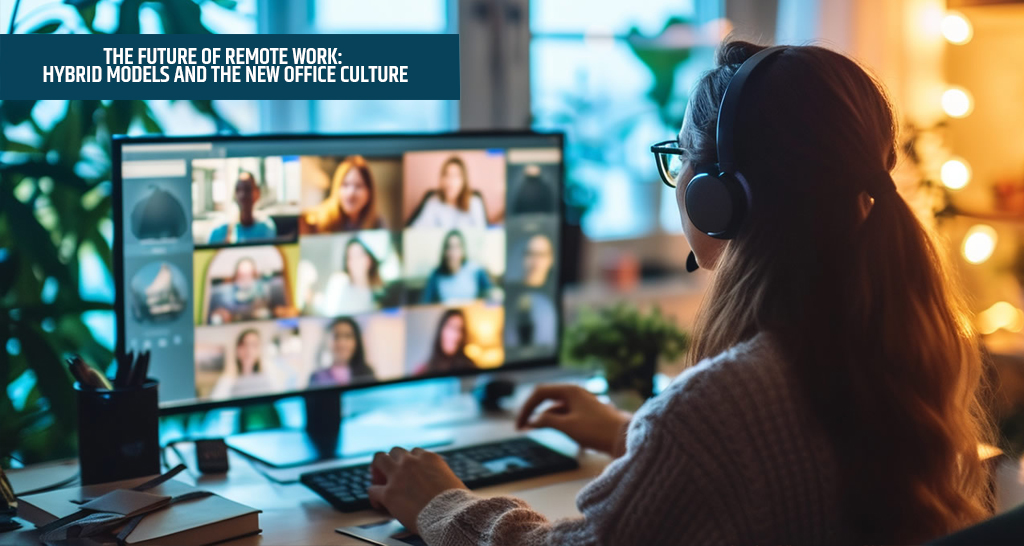
In recent years, the traditional workplace structure has undergone significant transformations, primarily due to advances in technology and shifts in workforce expectations. Two prominent models that have emerged in this context are remote work and hybrid work. Both of these concepts aim to enhance flexibility and improve work-life balance, ultimately influencing productivity and employee satisfaction.
Remote work refers to a work arrangement where employees perform their job duties from outside of a conventional office environment. This can occur from home, co-working spaces, or even while traveling. The concept has gained traction since the advent of the internet and digital communication tools, allowing individuals to collaborate effectively without the need for physical presence in an office. Historically, remote work has primarily been seen as a temporary solution for specific roles; however, recent developments have prompted organizations to adopt it as a long-term strategy.
On the other hand, hybrid work models combine elements of both remote and in-office work. Employees work part-time in a physical office and part-time remotely, which provides a balance between collaboration with peers and the freedom of working independently. The hybrid approach helps organizations leverage the benefits of face-to-face interactions while still offering the flexibility that employees desire. Initially inspired by the need for adaptation during the COVID-19 pandemic, this model is becoming increasingly popular across various sectors, illustrating the evolution of workplace practices.
As organizations continue to navigate these new paradigms, understanding the foundational aspects of remote and hybrid work models becomes essential. They represent a significant shift in how work is structured and perceived, affecting not only employee engagement but also company culture and operational efficiency across industries.
The Benefits of Remote Work
Remote work has emerged as a transformative paradigm in the professional landscape, offering numerous advantages for both employees and employers. One of the standout benefits of this work model is the flexibility it provides. Employees can tailor their work hours to align with personal responsibilities and preferences, fostering a work environment that can be both productive and conducive to individual needs.
This flexibility often translates into enhanced work-life balance. When employees can work from home, they save time that would otherwise be spent commuting, allowing more time for personal activities and family commitments. This improved balance can lead to increased job satisfaction, lower stress levels, and a greater sense of wellbeing.
In addition to benefits for employees, remote work is advantageous for employers as well. Organizations can significantly reduce operational costs associated with maintaining physical office spaces, such as rent, utilities, and office supplies. These cost savings can then be redirected towards employee training, development, or technology enhancements that drive business growth.
Furthermore, embracing remote work opens the door for companies to tap into a broader talent pool. By removing geographical constraints, employers can recruit skilled professionals from diverse locations, thereby fostering inclusivity and innovation. This expanded access to talent can enhance creativity and problem-solving capabilities within teams, promoting a dynamic and adaptable workforce.
Additionally, many studies have shown that remote workers often report increased productivity levels. With the ability to create a personalized work environment, employees can minimize distractions and focus on their tasks more effectively. This, combined with flexible hours, allows individuals to work during their most productive times, resulting in high-quality output.
The Drawbacks of Remote Work
The rapid shift to remote work has brought numerous benefits, yet it is not without its challenges. One of the most significant drawbacks of this mode of working is the profound sense of isolation experienced by many employees. Without the daily interactions that a physical office provides, individuals can feel detached from their colleagues and the company as a whole. This isolation may lead to feelings of loneliness, which can adversely affect mental health and, subsequently, employee productivity.
In addition to emotional challenges, remote work often introduces communication hurdles. While various digital tools have emerged to facilitate collaboration, these tools sometimes fall short of replicating the nuances of face-to-face interactions. Misunderstandings can arise more easily when communication is limited to emails or instant messaging, leading to frustration among team members. Consequently, this can create a sense of disconnection, hindering effective teamwork and collaboration.
Moreover, the blurring of boundaries between work and personal life is a significant concern for remote employees. In a traditional office setting, the physical commute helps delineate work hours from personal time. However, remote work arrangements can make it challenging for individuals to establish this distinction, potentially leading to overwork and burnout. Employees may find themselves constantly “on-call,” resulting in reduced overall well-being and job satisfaction.
These drawbacks not only impact individual performance but can also ripple through to affect company culture. A lack of engagement and a fragmented sense of community may lead to decreased morale, affecting teamwork and collaboration. As organizations continue to navigate the complexities of remote work, it is essential to address these challenges proactively to foster a supportive and productive work environment.
Understanding Hybrid Work Models
Hybrid work models represent a flexible approach to working arrangements, combining both remote work and traditional in-office settings. In a hybrid model, employees have the flexibility to choose where they perform their tasks—either from home or at a designated office. This approach contrasts with pure remote work, where all activities occur outside of a physical office, and traditional setups that require employees to be present on-site during set hours.
There are various hybrid arrangements, tailored to meet the diverse needs of organizations and their workforce. Common hybrid models include part-time remote work, where employees divide their weeks between the office and their home, and fully flexible models, allowing employees to determine their schedules and locations on a daily basis. Other arrangements may include fixed days for remote work, ensuring some continuity while still offering benefits of flexibility.
The decision to adopt a hybrid work model often hinges on numerous factors. Organizations may consider employee productivity, engagement, and well-being. Data suggests that flexibility can boost job satisfaction and reduce turnover. Furthermore, considerations about the nature of the work being performed play a crucial role; jobs requiring high collaboration may benefit from in-office presence, while those demanding focused tasks may thrive in a remote setting. Moreover, technological infrastructure and organizational culture also influence the successful implementation of hybrid arrangements.
Ultimately, hybrid work models encourage a more tailored approach that aligns with employee preferences and organizational goals. By accommodating diverse work styles and preferences, companies can foster a more inclusive work environment that enhances overall performance and employee satisfaction.
Benefits of Hybrid Work Models
The hybrid work model has emerged as a transformative approach to workplace organization, blending traditional office work with remote capabilities. One of the primary advantages of hybrid work models is the increased flexibility they provide to employees. This flexibility allows workers to choose where and when they are most productive. By accommodating various personal circumstances, hybrid arrangements can lead to elevated job satisfaction and improved mental health.
Additionally, hybrid work models promote better resource allocation. Organizations can optimize their office space, reducing overhead costs associated with maintaining physical offices. By allowing just a portion of employees to work on-site at any given time, companies can utilize their resources more effectively, allocating funds to other critical areas such as technology development and employee wellness programs.
Perhaps one of the more profound benefits of hybrid work models is the potential for enhanced collaboration among diverse teams. When employees are allowed to work remotely, inspiration can stem from a plethora of settings and experiences, fueling creativity and potentially leading to innovative solutions. The flexible nature of hybrid work encourages teams to leverage various communication tools, fostering an inclusive environment where everyone’s input is valued, regardless of their physical location.
Moreover, hybrid work models cater to the diverse needs of the workforce. By offering the option to split time between home and the office, businesses can respond to different preferences and lifestyles of their employees. This adaptability not only attracts top talent but also retains it, as employees feel their unique needs are recognized and respected. Overall, hybrid work models create a more inclusive, efficient, and responsive workplace.
Challenges of Hybrid Work Models
The hybrid work model, while offering numerous benefits such as flexibility and improved work-life balance, presents a unique set of challenges that organizations must navigate. One significant obstacle is managing the dynamics between remote and in-person teams. Inevitably, disparities can arise regarding communication and collaboration, potentially leading to a sense of isolation among remote employees. It’s crucial for managers to establish effective channels for interaction that foster inclusivity, ensuring that all team members, regardless of their location, feel engaged and valued.
Moreover, ensuring equitable access to resources is essential in a hybrid work environment. Employees working on-site may have immediate access to essential tools, technology, and support that their remote counterparts lack. To address this issue, organizations can invest in virtual collaboration tools and technology that provide remote workers equal footing. This includes leveraging cloud services, video conferencing, and project management software that are accessible to all employees, thus reducing the potential divide.
Additionally, maintaining a unified company culture poses a challenge in hybrid models. The subtle interactions and camaraderie found in a traditional office setting may diminish when teams are split between physical and virtual workspaces. To counteract this, companies should prioritize strategies that cultivate a strong organizational culture regardless of work location. Employers can organize regular team-building activities, promote open communication, and encourage feedback to enhance employee relations and reinforce a sense of belonging across all teams.
In conclusion, the successful implementation of a hybrid work model requires careful consideration of these challenges. By actively addressing management, resource accessibility, and cultural cohesion, organizations can create an environment that not only supports productivity but also fosters a thriving workforce.
Comparing Remote Work and Hybrid Work Models
The evolution of work arrangements has led to the emergence of remote work and hybrid work models, each offering distinct advantages and challenges. Remote work, where employees operate entirely outside the traditional office setting, provides unparalleled flexibility. Workers can craft schedules that align with their personal lives, leading to a perceived improvement in work-life balance. However, this model can sometimes result in feelings of isolation due to the lack of in-person interaction with colleagues.
In contrast, hybrid work models blend both remote and in-office work, allowing employees to split their time between the two environments. This approach offers the best of both worlds by promoting direct engagement among team members during office days while also affording the flexibility to work from home when desired. With hybrid arrangements, organizations can foster a collaborative atmosphere, helping to enhance employee experience through interpersonal relationships.
When assessing productivity levels, the effects of both models can vary significantly across different individuals and teams. Some studies suggest remote work can lead to increased productivity due to fewer office distractions, allowing employees to focus on tasks at hand. However, this isn’t universal; hybrid work may boost productivity for others by providing a structured environment that includes periods for concentrated effort and collaborative brainstorming.
Moreover, the organizational impact differs in these work models. Remote work necessitates the adoption of digital communication tools, which can foster innovation but may also introduce challenges related to employee engagement and company culture. On the other hand, hybrid models require robust management strategies to ensure that both in-office and remote employees feel included and valued, potentially leading to a more cohesive organizational dynamic.
In essence, the choice between remote work and hybrid work models largely depends on the specific needs of the organization and its employees, factoring in aspects such as flexibility, employee experience, productivity, and overall impact on company culture.
Best Practices for Implementing Remote and Hybrid Work Models
Implementing remote and hybrid work models requires strategic planning and thoughtful execution to ensure organizational success. One of the primary aspects to focus on is technology adoption. Organizations should invest in robust digital tools that facilitate smooth communication and collaboration among team members. Platforms such as video conferencing software, project management tools, and real-time messaging applications can help bridge the gap between remote workers and onsite teams, fostering an inclusive work environment.
Another crucial component is the establishment of communication strategies. It is essential to maintain regular check-ins, provide clear updates about organizational changes, and promote an open dialogue among team members. Utilization of virtual team-building exercises can enhance connection and camaraderie, which is particularly important in a remote setting. Ensuring transparency regarding goals and expectations can mitigate any feelings of isolation that employees may experience.
Performance management also takes a unique approach in remote and hybrid models. Organizations should focus on establishing clear performance metrics tailored for remote productivity. This can include setting specific targets, encouraging flexibility within work hours, and emphasizing outcomes rather than hours worked. This results-driven approach helps in maintaining motivation while allowing employees autonomy in how they achieve their objectives.
Additionally, company policies should be revised to reflect the nuances of remote and hybrid work. Drafting clear guidelines regarding work hours, availability, and communication preferences ensures that all employees are aligned with a common understanding of their responsibilities. Regularly reviewing and updating these policies, based on employee feedback and evolving best practices, will help organizations stay agile in a rapidly changing work environment.
Future Trends in Remote and Hybrid Work
The evolution of remote and hybrid work is a reflection of changing societal values, technological advancements, and shifting expectations of employers and employees alike. As organizations continue to adapt to the realities forced by recent global events, various trends are likely to shape the future landscape of work.
One notable trend is the increasing reliance on technology to facilitate effective communication and collaboration. Tools such as virtual reality (VR) and augmented reality (AR) are expected to emerge more prominently in the workplace, providing immersive experiences that can strengthen team dynamics regardless of physical location. Furthermore, advancements in artificial intelligence (AI) will streamline various processes, enabling employees to focus on more complex tasks. This will ultimately foster a more productive environment in both remote and hybrid settings.
Another critical aspect to consider is the growing emphasis on employee well-being and work-life balance. Organizations are likely to implement comprehensive wellness programs that cater specifically to the psychological and physical needs of remote workers. Mental health support services, flexible scheduling, and initiatives promoting physical activity will become central to the employee experience.
Moreover, as remote work becomes more commonplace, the notion of geographic boundaries is diminishing. Companies may consider hiring talent from diverse locations, leading to a more inclusive workforce. This strategy not only widens the talent pool but also enhances creativity through the exchange of varied perspectives.
In conclusion, the future of work is poised for significant transformation. Emerging trends in technology, employee well-being, and inclusive hiring practices will shape how remote and hybrid work is perceived and executed. Organizations that proactively adapt to these changing dynamics will undoubtedly thrive in the next normal of work.