
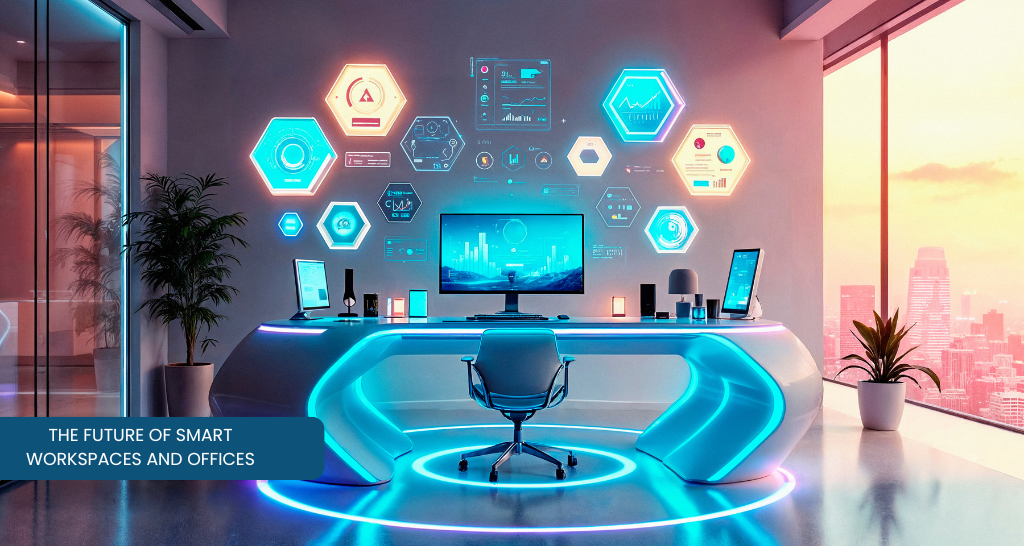
Introduction to Smart Workspaces
In recent years, smart workspaces have gained significant recognition in the modern work environment. Smart workspaces integrate advanced technology and innovative design principles to create flexible and efficient office settings that cater to the diverse needs of businesses and their employees. The concept typically combines various elements, including automation, connectivity, and adaptability, to enhance the overall productivity and well-being of workers.
One of the most crucial aspects of these smart workspaces is the seamless integration of technology. By utilizing IoT (Internet of Things) devices, employers can create interconnected environments where everything from lighting and climate control to security systems operates in harmony. This technology not only improves energy efficiency but also enables real-time data collection and analysis, helping organizations make informed decisions concerning resource management and workspace optimization.
Moreover, the design of smart workspaces tends to favor open layouts with movable partitions, collaborative areas, and wellness zones, all of which promote communication and interaction among employees. This evolution in office design is driven by a growing understanding of how physical space influences work behavior and productivity. For instance, incorporating natural light, plants, and ergonomic furniture are aspects that contribute to employee satisfaction and overall health.
This transformation is particularly significant in a world increasingly oriented toward remote work and hybrid models. As businesses adapt to these shifting paradigms, smart workspaces become pivotal in developing environments that foster creativity, collaboration, and comfort. In essence, the future of smart workspaces holds enormous potential to redefine how companies operate and how employees experience their work-life balance, thereby significantly impacting overall organizational success.
Key Features of Smart Workspaces
Smart workspaces are fundamentally transforming the modern office environment, incorporating various essential features that promote productivity and enhance the employee experience. Among these, automation stands out as a critical component. Automation streamlines routine tasks, allowing employees to focus on higher-value work. By leveraging artificial intelligence and machine learning, smart workspaces can reduce manual processes, thereby increasing efficiency and minimizing errors.
Next, connectivity plays a pivotal role in the effectiveness of smart workspaces. Advanced technologies such as the Internet of Things (IoT) enable seamless integration of various devices and systems. This connectivity facilitates faster communication and data sharing, ultimately fostering collaboration among teams. With enhanced connectivity, employees can access real-time data and resources, leading to informed decision-making and innovative problem-solving.
Flexibility is another hallmark of smart workspaces, allowing organizations to adapt their spaces according to the evolving needs of their workforce. This adaptability can manifest through modular furniture, movable walls, or multi-purpose areas that can be reconfigured for different tasks or team sizes. Such flexibility not only maximizes space utilization but also supports a culture of collaboration and creative thinking.
Finally, sustainability is increasingly becoming a foundational aspect of smart workspaces. Eco-friendly designs and energy-efficient technologies significantly reduce a company’s carbon footprint. Implementing sustainable practices contributes to greater employee satisfaction, as many individuals are keen to work in environments that reflect their values of responsibility and care for the planet. Sustainable features, such as energy-efficient lighting and smart climate control systems, demonstrate a commitment to long-term viability.
In summary, the key features of smart workspaces—including automation, connectivity, flexibility, and sustainability—are vital in enhancing productivity and employee satisfaction in today’s office environment. By embracing these elements, organizations can create a more dynamic and efficient workspace that meets the demands of modern work life.
The Role of Technology in Smart Offices
The transformation of traditional offices into smart environments is heavily driven by advancements in technology. Key innovations such as the Internet of Things (IoT), Artificial Intelligence (AI), and data analytics are reshaping the way organizations operate and interact with their workspaces. These technologies work in tandem to create more efficient and responsive office environments, significantly enhancing productivity and employee satisfaction.
IoT technology is at the forefront of this revolution. It encompasses a network of interconnected devices that communicate data, providing invaluable insights into various operations within the office setting. For instance, smart lighting systems can adjust automatically based on occupancy levels, while smart thermostats optimize heating and cooling, thus reducing energy consumption and costs. Such intelligent systems not only improve comfort for employees but also lead to a more sustainable workplace.
Artificial Intelligence further elevates the smart office concept by enabling data-driven decision-making. AI can analyze vast amounts of data gathered from various office sensors to identify patterns and make recommendations. For example, AI-driven software can suggest optimal meeting times and spaces based on employee schedules and preferences, facilitating more effective collaboration. Additionally, AI chatbots can assist in handling routine inquiries, allowing human resources to focus on more strategic tasks.
Data analytics plays a pivotal role in optimizing office functions. By harnessing insights from employee behavior and office usage data, organizations can make informed decisions about office layouts, resource allocation, and employee engagement initiatives. This strategic use of data not only enhances the operational efficiency of the office but also fosters a culture of innovation and continuous improvement.
Design Trends Shaping the Future of Workspaces
The contemporary workspace is evolving at an unprecedented pace, influenced by various design trends that prioritize functionality, comfort, and aesthetics. One prominent trend is the incorporation of open spaces, which facilitate collaboration and communication among team members. Open layouts have been shown to enhance creativity and foster a sense of community, allowing employees to interact more freely. This shift toward openness reflects a desire to break down barriers that traditional cubicle structures imposed, promoting a more integrated work environment.
Moreover, the emphasis on ergonomic furniture has become increasingly vital in modern workspace design. Ergonomically designed desks and chairs are essential for promoting employee well-being while reducing physical strain. The integration of adjustable desks also allows employees to switch between sitting and standing throughout the day, supporting diverse work preferences and improving overall health. In an era where worker satisfaction is closely tied to productivity, such investments in ergonomic solutions are paramount for organizations aiming to create supportive environments.
Biophilic design is another significant trend influencing the future of workspaces. This approach focuses on integrating natural elements into the architectural framework, such as natural lighting, plants, and organic materials. Research indicates that such elements can reduce stress and enhance workers’ mood, ultimately fostering a more positive and stimulating work atmosphere. By introducing features that connect individuals with nature, companies aim to cultivate environments that are not only aesthetically pleasing but also conducive to well-being and performance.
In conclusion, as we witness these design trends reshaping the future of workspaces, it becomes evident that the emphasis on open spaces, ergonomic furniture, and biophilic design plays a critical role. These elements collectively contribute to cultivating environments that enhance productivity and promote employee well-being. As these trends continue to evolve, they will undoubtedly influence how organizations approach their workspace design strategies.
Benefits of Smart Workspaces for Businesses
Smart workspaces represent a significant evolution in the way businesses operate, offering a multitude of benefits that can contribute to overall success. One of the most significant advantages lies in cost savings. By integrating smart technologies, businesses can effectively reduce operational costs through automated systems that regulate energy consumption and optimize resource usage. This reduction in overhead can lead to substantial financial savings over time, allowing companies to allocate funds to other critical areas.
Moreover, smart workspaces play a crucial role in enhancing employee performance. The integration of advanced technology can lead to an enriched working environment where employees have access to tools that improve efficiency and productivity. Features such as adjustable workstations, environmental controls, and seamless connectivity facilitate a more comfortable and personalized workspace, enabling employees to focus on their tasks without unnecessary distractions.
Collaboration is another integral benefit of smart workspaces. These environments leverage technology to foster communication and teamwork among employees. Tools like video conferencing and shared digital platforms not only increase interaction but also allow for more efficient brainstorming sessions and project management. This synergy can lead to innovative ideas and solutions, driving the company forward.
Finally, attractive smart workspaces can significantly improve talent retention. In a competitive job market, companies that invest in modern office solutions are often regarded as more desirable places to work. A smart workspace creates a dynamic atmosphere that appeals to both current employees and prospective candidates, thereby reducing turnover rates and fostering a more committed workforce.
In conclusion, the adoption of smart workspaces provides numerous advantages for businesses, encompassing cost savings, enhanced employee performance, improved collaboration, and better talent retention. These benefits create a compelling case for companies to invest in smart office solutions, ensuring they remain competitive in the ever-evolving modern workplace.
Challenges in Implementing Smart Workspaces
The transition to smart workspaces presents various challenges that organizations must navigate to realize the full benefits of a technologically advanced office environment. One major obstacle is the financial investment required to implement smart workspace technologies. These costs include not only the acquisition of advanced hardware and software, but also potential renovations to existing infrastructures to accommodate new technologies. Organizations must also consider ongoing operational expenses associated with maintenance and updates, which can strain budgets, especially for small and medium-sized enterprises.
Employee resistance is another considerable challenge when adopting smart office solutions. Change can lead to discomfort among employees who may feel threatened by advanced technologies or uncertain about their job security in a more automated environment. To mitigate this resistance, it is imperative for organizations to foster a culture of inclusion and transparency. Involving employees in the decision-making process can enhance their acceptance of new smart technologies, as can providing training programs that equip them with the skills necessary to efficiently use these advancements.
Furthermore, integrating disparate technologies poses significant technical challenges. Many organizations currently use legacy systems that may not seamlessly align with new smart workspace technologies. To overcome this barrier, it is advisable to conduct a thorough assessment of existing systems and strategies for incremental upgrades or complete overhauls. Additionally, partnering with experienced technology providers can facilitate a smoother integration process, ensuring compatibility and functionality across various platforms.
Ultimately, addressing the costs, resistance, and integration issues is essential for a successful transition to smart workspaces. By effectively managing these challenges, organizations can create a more efficient, collaborative, and innovative working environment.
Future Predictions for Smart Workspaces
The evolution of smart workspaces is set to redefine the professional landscape in the coming years. Remote work, fueled by technological advancements and a shift in corporate culture, is predicted to become increasingly prevalent. Companies are recognizing the benefits of flexible work arrangements, prompting a transition from traditional office settings to adaptable environments that cater to diverse workstyles. This evolution will not only enhance productivity but also promote employee satisfaction by allowing individuals to choose their optimal working conditions.
Furthermore, hybrid work models are likely to gain traction as organizations embrace a blend of remote and in-office strategies. This approach accommodates various employee preferences and maximizes operational efficiency. Experts suggest that workplaces will integrate more advanced technology to support hybrid arrangements, enabling seamless communication and collaboration between in-person and remote teams. Invested in creating a robust digital backbone, organizations will leverage tools such as virtual reality and augmented reality to bridge the gap between physical and digital interactions.
The growing demand for flexibility will also manifest in the design and functionality of smart workspaces. Future offices are expected to feature modular furniture and configurable layouts that adapt to changing needs throughout the day. This flexibility will foster a dynamic environment where employees can work solo, collaborate in teams, or engage in brainstorming sessions depending on their current tasks. Additionally, the integration of smart technologies such as IoT devices and AI-driven analytics will enable organizations to optimize resource allocation, streamline processes, and enhance the overall work experience.
Experts in the field advocate that the focus on employee well-being and sustainability will further influence the design of smart workspaces. Companies committed to creating green and health-conscious facilities will attract top talent while contributing to environmental responsibility. As businesses continue to innovate, the future of smart workspaces promises to be both transformative and beneficial for all stakeholders involved.
Case Studies of Successful Smart Workspaces
The adoption of smart workspace solutions has gained significant traction in recent years as organizations strive to enhance productivity, flexibility, and employee satisfaction. Several companies have embraced this transformation, demonstrating the potential benefits that smart workspaces can provide. One notable case is that of Deloitte Canada, which revamped its offices to offer a contemporary workspace that integrates advanced technology. By creating collaborative zones and incorporating mobile apps for workspace booking, Deloitte reported a 50% increase in employee engagement and a marked improvement in overall workplace satisfaction.
Another exemplary case is Vodafone’s office in Newbury, UK, where the company aimed to create an environment that fosters innovation and collaboration. This initiative included the implementation of IoT devices to monitor energy usage and a dynamic workspace layout that allows employees to choose their preferred working environment. As a result, Vodafone observed a 30% reduction in energy costs and a significant rise in teamwork and collaboration across departments. These outcomes underscore the effectiveness of smart workspaces in optimizing resource usage and enhancing the organizational culture.
Furthermore, the financial services organization UBS has also pioneered smart workspace solutions with its Campus 2.0 initiative in Switzerland. The campus includes agile workstations and dedicated collaboration spaces equipped with cutting-edge technology. They have leveraged data analytics to monitor space usage patterns, enabling them to reorganize their layout in response to employee needs. This transformation has not only led to improved operational efficiency but also attracted top talent seeking a modern work environment. Through these case studies, it is clear that successful implementation of smart workspaces can result in positive outcomes, highlighting the importance of careful planning and innovative design in achieving desired metrics.
Conclusion: Embracing the Future of Work
As we dive into the future of smart workspaces and offices, it is imperative to recognize the profound changes ushered in by technological advancements. The evolution towards smarter workspaces is driven by the need for enhanced efficiency, flexibility, and improved employee satisfaction. Incorporating technologies such as IoT, AI, and collaborative platforms not only optimizes the physical workspace but also cultivates a culture of innovation and adaptability.
This transition represents more than just a shift in how spaces are designed; it signifies a broader transformation in workplace culture that promotes collaboration, connectivity, and well-being. Businesses that embrace these smart solutions are better positioned to attract and retain top talent, fostering an environment where employees can thrive. Understanding the specific needs of a modern workforce is essential for implementing a workspace that encourages both productivity and creativity.
To effectively navigate this landscape, businesses should consider a few key recommendations. First, invest in technologies that facilitate seamless communication and collaboration among teams, regardless of their physical location. Second, prioritize flexibility in workplace design to accommodate different working styles and preferences, ensuring employees can choose the setup that works best for them. Finally, embrace a continuous feedback loop where employees can voice their experiences and suggest improvements, creating a responsive and inclusive work environment.
In summary, the adoption of smart workspaces is not merely a trend but a strategic imperative for any forward-thinking organization. By proactively embracing these innovations, businesses can create an agile and dynamic workplace that fosters growth and resilience amid the challenges of the modern business landscape.