Introduction to Future Trends in Real Estate
The real estate sector is undergoing significant transformation due to rapid advancements in technology and evolving consumer preferences. As the world becomes increasingly interconnected, the emergence of smart technologies is reshaping urban landscapes, thus giving rise to new possibilities in the real estate industry. Developers, investors, and prospective buyers must keep abreast of these future trends to navigate the ever-changing market effectively.
One of the key drivers of change in real estate is the integration of smart technologies. These innovations include the use of artificial intelligence, the Internet of Things (IoT), and big data analytics, which enhance both property management and consumer experiences. For instance, smart home devices allow homeowners to control various aspects of their living environment easily, while predictive analytics enables developers to make data-informed investment decisions.
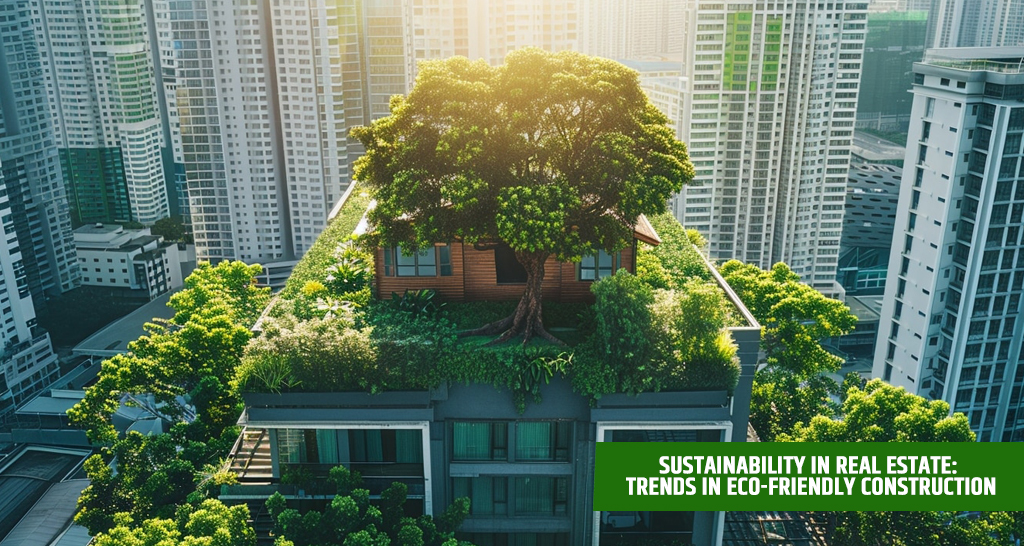
Another vital trend is the rising demand for sustainable and eco-friendly housing. Buyers are increasingly prioritizing energy efficiency and sustainability in their property choices, thus pushing developers to focus on green building practices. This shift not only caters to consumer preferences but also aligns with global sustainability goals, emphasizing the importance of environmentally responsible construction.
Moreover, urbanization continues to influence real estate dynamics. As populations migrate to urban areas, the need for integrated and innovative housing solutions grows. Smart cities, which utilize technology to streamline services and improve quality of life, represent a key focus area for future development in real estate. Understanding these trends enables all stakeholders to position themselves advantageously in a competitive market, ensuring their investments align with current and future demands.
The Rise of Smart Cities: Definition and Characteristics
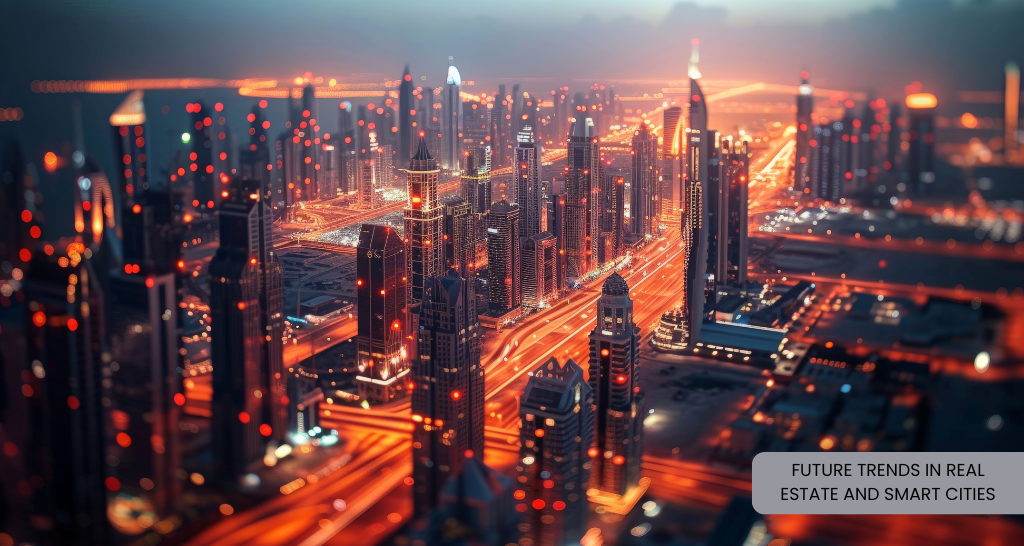
Smart cities represent a transformative approach to urban development, where technology and data management are integrated to enhance the quality of life for their residents. Defined broadly, a smart city leverages cutting-edge technology and intelligent infrastructure to optimize resources, improve service delivery, and facilitate sustainable practices. This digital-first methodology is essential as urban populations continue to grow, necessitating innovative solutions for urban challenges.
One of the hallmark characteristics of smart cities is their integrated technology. This includes the use of Internet of Things (IoT) devices, sensors, and networks that facilitate real-time data collection and analysis. These technologies enable city planners and officials to monitor various aspects, such as traffic flows, energy consumption, and waste management. Consequently, cities can streamline operations, reduce costs, and improve overall efficiency.
In addition to technology integration, sustainability serves as a critical component of smart cities. Sustainable development practices are prioritized to minimize environmental impact, conserve resources, and promote renewable energy sources. Initiatives such as green buildings, eco-friendly public transport, and extensive recycling programs are commonly implemented. By focusing on sustainability, smart cities aim to create resilient urban environments that can withstand future challenges, including climate change.
Citizen engagement is another distinctive characteristic of smart cities. By incorporating participatory methods into urban planning, city administrators can ensure that residents’ needs and preferences shape developmental policies. This engagement often occurs through digital platforms that allow citizens to provide feedback, report issues, and participate in decision-making processes. As a result, the enhanced communication fosters a sense of community ownership and satisfaction in urban living.
Impact of Technology on Real Estate
The integration of technology into the real estate sector is revolutionizing how the industry operates, resulting in enhanced efficiency, improved customer experience, and a smarter approach to property management. Key technologies such as Artificial Intelligence (AI), the Internet of Things (IoT), and big data analytics are at the forefront of this transformation, shaping a more responsive and data-driven environment.
AI plays a crucial role in automating various real estate processes, from property valuation to predictive analytics for market trends. By leveraging machine learning algorithms, real estate professionals can analyze vast datasets to identify potential investment opportunities and forecast market fluctuations. Moreover, chatbots powered by AI are enhancing customer service by providing instant responses to inquiries, ultimately paving the way for a more streamlined transaction process and a better overall client experience.
The Internet of Things (IoT) is another significant technology shaping the future of real estate. Smart devices equipped with IoT capabilities enable property managers to monitor building systems and environmental conditions in real-time. These technologies facilitate proactive maintenance, reduce operational costs, and enhance tenant satisfaction by creating a more comfortable and energy-efficient living environment. For instance, smart thermostats can optimize energy usage in residential properties, aligning sustainability goals with economic benefits for property owners.
Big data analytics further complements these advancements by allowing real estate companies to make informed decisions based on comprehensive data analysis. By harnessing data related to demographics, property values, and consumer behavior, stakeholders can effectively tailor their strategies to meet market demands. From targeted marketing efforts to data-driven investment decisions, these insights are ensuring that businesses stay competitive in an ever-evolving landscape.
Sustainability Trends in Real Estate Development
In recent years, sustainability has become a pivotal aspect of real estate development, driven by a combination of consumer demand, regulatory pressure, and a growing awareness of environmental issues. Developers increasingly recognize that incorporating sustainable practices can lead to enhanced marketability and project viability. These practices not only cater to the preferences of eco-conscious buyers and tenants but also contribute to long-term cost savings and environmental protection.
Green building practices constitute a cornerstone of sustainability in the real estate sector. The adoption of frameworks such as LEED (Leadership in Energy and Environmental Design) provides guidelines for constructing and maintaining buildings in an environmentally responsible manner. This includes the use of sustainable materials, efficient waste management, and integrating natural landscaping. By adhering to these standards, developers are not only reducing their ecological footprint but also attracting a more extensive clientele base that values sustainability.
Energy efficiency is another crucial element shaping the future of real estate development. As energy costs continue to rise and climate change becomes an increasingly urgent concern, the demand for energy-efficient properties is surging. Innovations such as smart thermostats, energy-efficient appliances, and advanced insulation techniques are becoming standard in new constructions. These technologies not only lower utility costs for residents but also enhance the overall comfort and livability of properties, making them more attractive to potential buyers.
The growing interest in eco-friendly properties reflects a significant shift in consumer preferences. Today’s buyers are often more inclined to invest in homes that offer sustainable features. This trend is further supported by various incentives, including tax breaks and grants provided by governments for energy-efficient upgrades. As the market continues to evolve, it is evident that sustainability will play an increasingly vital role in shaping the future landscape of real estate development.
Urbanization and the Demand for Infrastructure
Urbanization is a defining trend of the 21st century, profoundly influencing real estate markets and infrastructure demands. As populations migrate to urban centers seeking better economic opportunities, the necessity for adequate infrastructure, including housing, transportation, sanitation, and public services, becomes increasingly critical. The rapid pace of urban growth highlights the importance of strategic planning to support the evolving needs of densely populated areas.
In light of smart city principles, urban development is being reimagined to enhance livability and efficiency. Smart cities utilize advanced technologies to optimize resource use, improve public safety, and facilitate sustainable growth. This intertwining of urbanization and smart city initiatives calls for substantial investments in infrastructure that can accommodate both current demands and future growth. High-density housing, robust public transit systems, and well-planned green spaces are essential components of this infrastructure revitalization.
Furthermore, the real estate sector must adapt to these urban trends by integrating sustainable practices into building designs and community layouts. This may involve the use of advanced materials, energy-efficient systems, and environmentally friendly transport solutions, all contributing to the overall sustainability goals of smart urban development. By investing in resilient infrastructure, urban planners and real estate developers can create thriving communities capable of supporting the influx of new residents and fostering economic growth.
As urbanization continues unabated, it is evident that the commitment to developing smarter, more efficient infrastructure will be pivotal in addressing the challenges posed by increased urban populations. Ultimately, the intersection of urbanization and infrastructure investment will dictate the viability and success of future cities in harnessing their full potential.
Changing Consumer Preferences in Housing
Recent shifts in the housing market have revealed notable changes in consumer preferences, driven largely by societal shifts and evolving lifestyle choices. One of the most significant influences on buyer behavior has been the rise of remote work, which has led many individuals and families to reassess their housing needs. With employees able to work from virtually anywhere, the demand for homes that offer flexible workspaces has dramatically increased. Buyers are increasingly prioritizing properties with designated home offices, fast internet access, and adequate space for both work and leisure.
Furthermore, as lifestyle choices evolve, so too do preferences for home environments. The trend towards sustainability has prompted consumers to seek energy-efficient homes and those with eco-friendly features, such as solar panels and sustainable materials. Many buyers are now consciously opting for properties that align with their environmental values, highlighting a collective shift towards more responsible living.
Alongside these changes, there has been a growing interest in mixed-use spaces that incorporate residential, commercial, and recreational areas. Such developments are now favored due to their convenience and the sense of community they foster. Buyers, particularly millennials and younger generations, often look for neighborhoods that offer access to amenities like cafes, parks, and cultural venues within walking distance. This desire for community-oriented surroundings indicates a broader trend towards prioritizing lifestyle over mere square footage.
In conclusion, the changing consumer preferences in housing reflect a blend of practical needs and lifestyle aspirations, influenced heavily by remote work trends, sustainability concerns, and a desire for vibrant, mixed-use communities. Understanding these evolving demands will be essential for real estate developers and urban planners as they navigate the future landscape of housing and smart city designs.
The Role of Public-Private Partnerships in Smart City Initiatives
Public-Private Partnerships (PPPs) have emerged as pivotal mechanisms in the advancement of smart city initiatives. These partnerships leverage the strengths of both public entities and private developers, enabling cities to implement innovative solutions that enhance urban living. In smart city projects, collaboration is essential for integrating technology with infrastructure, ultimately creating a more sustainable and efficient urban environment.
One notable example of a successful PPP is the “Sidewalk Toronto” project, a collaboration between Waterfront Toronto and Sidewalk Labs, a subsidiary of Alphabet Inc. This initiative aims to transform parts of Toronto into a technologically advanced community that prioritizes sustainability and inclusivity. Through this partnership, innovative ideas such as advanced data analytics for managing transportation and energy consumption have been explored. By pooling resources and expertise, the public and private sectors can address complex urban challenges more effectively than either could achieve alone.
The benefits of public-private partnerships in smart city initiatives are manifold. Firstly, private developers often bring innovative technology and financial resources, allowing for the rapid deployment of smart solutions. Simultaneously, public entities offer essential regulatory frameworks and a better understanding of community needs. This synergy can lead to projects that not only enhance efficiency but also improve the quality of life for residents.
Moreover, partnerships can facilitate stakeholder engagement. Engaging local communities in the planning phases helps ensure that smart city initiatives reflect the desires and needs of inhabitants, fostering a sense of ownership and investment in the project’s success. These collaborative efforts can result in higher adoption rates and a smoother integration of smart technologies, thereby maximizing their benefits.
As urban populations continue to grow, the role of public-private partnerships will be integral in shaping the future of smart cities. Leveraging these collaborative frameworks allows for the development of innovative solutions that can address contemporary urban challenges while promoting sustainable growth.
Future Challenges in Real Estate and Urban Development
The real estate market is poised to experience significant transformations, yet these developments bring forth a host of challenges that must be addressed. One of the most pressing issues is affordability. As urbanization continues to surge, cities face soaring housing prices, which exacerbate socioeconomic disparities. Ensuring that affordable housing options are available to a diverse population poses a notable challenge for urban developers and policymakers alike. This trend necessitates innovative solutions to create housing that is not only accessible but also sustainable in the long run.
Regulatory hurdles represent another critical challenge in the realm of real estate and urban development. Each jurisdiction has its own set of regulations and zoning laws that can complicate the process for developers intending to build smart cities. The integration of advanced technology into urban infrastructures may clash with existing regulations, creating additional layers of complexity. Policymakers must therefore engage in continuous dialogue with developers, ensuring the regulatory frameworks are adaptable and conducive to fostering innovation in urban environments.
Technological adoption is a double-edged sword in real estate. While there is a vast potential in leveraging technology, including smart homes, energy-efficient buildings, and urban mobility solutions, the integration of such technologies can be met with resistance due to factors including high initial costs, lack of technical expertise, and concerns over data privacy. Developers and stakeholders need to prioritize comprehensive education and training to encourage the adoption of these technologies, promoting resilience in cities.
Overall, the future of real estate and urban development is undoubtedly bright; however, addressing the challenges of affordability, regulatory frameworks, and technology adoption will require concerted efforts from all stakeholders involved.
Conclusion: Embracing Change for a Sustainable Future
As we have explored throughout this blog post, the future of real estate and the development of smart cities are interconnected realms that demonstrate significant potential for fostering sustainable urban environments. The trends discussed, such as the integration of advanced technologies, the emphasis on green architecture, and the importance of community engagement, point towards a rapidly evolving landscape where traditional methodologies must adapt to new realities.
Embracing innovative technologies such as the Internet of Things (IoT) and artificial intelligence can lead to more efficient resource management and enhanced quality of life for urban dwellers. As real estate developers and urban planners begin to incorporate these technologies, they not only increase property values but also contribute to the broader goals of sustainability and environmental conservation. This shift is essential in addressing the pressing concerns of climate change and urbanization.
Moreover, the rise of smart city concepts signifies a notable change in how communities are designed and function. By prioritizing public transportation, walkable environments, and mixed-use developments, future cities can create more inclusive spaces that cater to diverse populations. This approach fosters social equity and ensures long-term vibrancy, which is essential for the sustainable growth of urban areas.
In summary, by focusing on these emerging trends within real estate and smart city development, stakeholders can not only prepare for inevitable changes but also position themselves as leaders in creating a resilient and sustainable urban future. It is crucial for investors, developers, and governments to recognize the importance of these trends and work collaboratively to implement successful strategies that contribute to the well-being of both people and the planet.