
Introduction to Remote Work
Remote work, often referred to as telecommuting or flexible working, is a work arrangement that allows employees to conduct their tasks outside of a traditional office setting. The rise of remote work can be attributed primarily to advancements in technology, particularly in internet connectivity and digital communication tools. These developments have made it feasible for individuals to perform their job duties from virtually any location, leading to a significant transformation in workforce dynamics.
Historically, remote work was largely limited to certain professions, such as freelance writing or sales, where physical presence was not a prerequisite. However, the onset of the digital age has expanded this concept dramatically. By the early 2000s, the proliferation of laptops, smartphones, and cloud-based applications enabled more industries to embrace remote work. The advent of collaborative tools like video conferencing, project management software, and instant messaging platforms has further facilitated this shift.
The benefits of remote work are numerous and include increased flexibility, improved work-life balance, and reduced commuting time. Employees appreciate the autonomy that comes with managing their own schedules, which can lead to enhanced job satisfaction and productivity. On the organizational side, companies often experience reduced overhead costs related to physical office spaces and can tap into a wider talent pool, unrestricted by geographical boundaries.
However, remote work is not without its challenges. Communication barriers, feelings of isolation, and difficulties in maintaining team cohesion are common hurdles faced by remote teams. Furthermore, the blurring of lines between work and personal life can lead to burnout if employees are unable to establish clear boundaries. Despite these challenges, the trend towards remote work is likely to continue as the workforce adapts to evolving expectations and preferences.
Technological Advancements in Remote Work
The landscape of remote work has undergone a significant transformation owing to recent technological advancements. The emergence of collaboration tools, cloud computing, and communication platforms has redefined how teams operate beyond traditional office settings. As organizations adapt to the growing prevalence of remote work, understanding these technologies’ role in facilitating productivity is crucial.
Collaboration tools such as Trello, Slack, and Microsoft Teams have reshaped team interactions. These platforms enable team members to connect in real-time, share resources, and manage projects seamlessly, regardless of their geographical locations. By providing a centralized digital workspace, these tools promote transparency and facilitate the smooth exchange of ideas among team members.
Cloud computing serves as another pivotal technology in supporting remote work. It allows users to store, access, and manage data from any internet-enabled device. Services like Google Drive and Dropbox eliminate the barriers associated with physical storage, enabling teams to collaborate on documents and projects concurrently. This flexibility not only enhances productivity but also ensures that team members can work efficiently, whether they are in the office or working remotely.
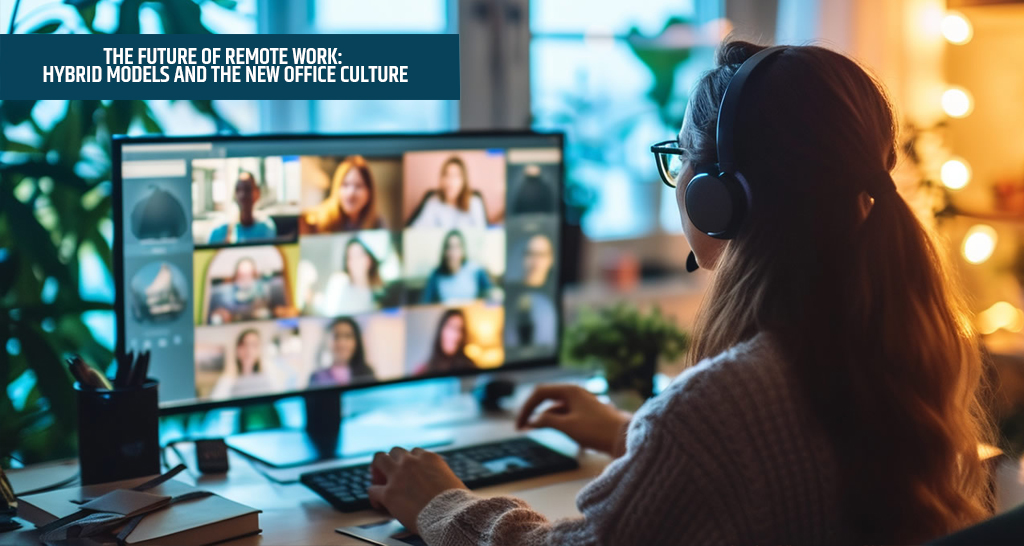
Moreover, communication platforms like Zoom and Microsoft Teams have made virtual meetings commonplace. These tools have replaced traditional face-to-face interactions, allowing teams to engage via video conferencing. This shift has made it easier to maintain connections, hold brainstorming sessions, and conduct training, thereby minimizing the isolation often associated with remote work.
In essence, the advances in technology have had a profound impact on the effectiveness of remote work. With an array of tools at their disposal, digital teams can communicate, collaborate, and produce results efficiently. As these technologies continue to evolve, their integration into everyday work practices will likely shape the future of work. Embracing these changes will be pivotal for organizations striving to optimize their remote working strategies.
Changing Dynamics of Team Collaboration
The shift towards remote work has significantly transformed how teams collaborate and communicate. In a traditional workspace, relationships and collaboration often developed organically through face-to-face interactions. However, remote settings necessitate a more intentional approach to maintaining connections and fostering a collaborative spirit among team members.
Establishing trust has become paramount in a digital environment. Trust serves as the foundation of effective collaboration; without it, team members may feel isolated or hesitant to share ideas. To build this trust, leaders should foster open lines of communication, encouraging transparency and honest dialogue. Regular check-ins and feedback sessions can help keep team members engaged, allowing them to address concerns and celebrate achievements collectively. This level of openness not only nurtures trust but also reinforces team cohesion, vital for the success of remote teams.
Furthermore, the integration of collaborative tools and technology enhances the teamwork experience. Platforms such as Slack, Microsoft Teams, and Zoom facilitate real-time communication, while project management tools like Trello or Asana help to align tasks and responsibilities. These tools offer a plethora of features that can support synchronous and asynchronous work, allowing team members to collaborate effectively across various time zones. By leveraging technology, digitally dispersed teams can maintain a high level of productivity and engagement, regardless of geographical barriers.
Moreover, fostering a culture of inclusivity is essential to further enhance collaboration. This implies recognizing variations in time zones, cultural backgrounds, and individual work habits. Leaders can encourage diverse contributions through regular brainstorming sessions and team-building activities, which cultivate a sense of belonging and commitment. As remote collaboration continues to evolve, focusing on these key strategies will be crucial in ensuring that teams remain connected, engaged, and productive in this new paradigm.
Future Trends in Remote Work
The landscape of remote work continues to evolve, driven by technological advancements and changing employee expectations. One significant trend is the emergence of hybrid work models. Many organizations are embracing a flexible work arrangement that combines remote and in-office work. This model not only caters to the diverse preferences of employees, allowing them to choose when and where they work, but also enhances productivity and job satisfaction. As companies implement hybrid frameworks, they often invest in collaboration tools and platforms that support seamless communication between teams, regardless of location.
Another prominent trend is the increasing focus on employee wellbeing. Organizations are recognizing that the mental and physical health of remote workers is crucial for sustained performance. Consequently, companies are incorporating wellness programs and resources aimed at promoting a healthy work-life balance. This includes flexible scheduling, mental health days, and access to virtual support services. By prioritizing employee wellbeing, businesses can create a more engaged and resilient workforce, ultimately benefiting the organization’s overall success.
Furthermore, as remote work becomes more prevalent, organizations are adapting their policies to better support their remote teams. This includes reevaluating performance metrics to focus more on outcomes rather than hours worked. Companies are also implementing training programs to ensure that employees are equipped with the skills necessary for remote collaboration. These adaptive policies reflect a broader shift towards creating a more inclusive and supportive environment for remote employees, catering to their unique challenges.
In summary, the future of remote work will likely be characterized by hybrid models, a strong emphasis on employee wellbeing, and adaptable organizational policies. These trends are poised to shape the way teams operate, ensuring that remote work remains a viable and effective option for businesses and employees alike.
The Role of Leadership in Remote Teams
As organizations increasingly embrace remote working models, the role of leadership in managing these teams has evolved significantly. Effective leadership in remote teams necessitates a departure from traditional management techniques in favor of innovative approaches that foster engagement, collaboration, and accountability. Remote leaders must cultivate essential skills that enable them to navigate the complexities of digital work environments.
One of the primary skills required for leaders managing remote teams is strong communication. An effective leader should be adept at using various digital communication tools and platforms to ensure messages are clearly conveyed and understood. This includes not only an awareness of when to communicate but also the ability to tailor messages to suit different contexts and diverse team members. Establishing open lines of communication is critical for building trust and reducing feelings of isolation that remote employees may experience.
Moreover, remote team leaders must emphasize the importance of emotional intelligence. Understanding team members’ individual strengths, weaknesses, and personal circumstances can significantly influence team dynamics. Leaders who practice empathy create an environment where team members feel valued and understood, thus enhancing motivation and productivity. Encouraging feedback and actively listening to concerns are also paramount in this regard.
Additionally, cultivating a culture of accountability is vital. Leaders should set clear expectations and provide specific goals for team members. Utilizing project management tools can help track progress, facilitating regular check-ins that reinforce commitment to responsibilities. Moreover, implementing recognition systems to celebrate achievements, both big and small, can contribute positively to team morale.
In conclusion, effective leadership in remote teams requires adaptability, focusing on open communication, emotional intelligence, and accountability. As remote work continues to evolve, embracing these strategies will be essential for fostering successful digital teams.
Measuring Productivity in a Remote Work Era
As remote work continues to redefine the landscape of traditional employment, evaluating productivity in this new context has become increasingly complex. The shift from office-based environments to decentralized workspaces necessitates a more nuanced approach to performance measurement. Traditional metrics, often centered on time spent and task completion, are being supplemented—or replaced—by holistic evaluations that consider various factors beyond mere output.
One key area in assessing productivity involves employee engagement. Engaged employees are typically more productive, as they are motivated to contribute meaningfully to their teams. Organizations are now implementing tools to gauge engagement levels through pulse surveys, feedback sessions, and even social interaction metrics within digital collaboration platforms. This change underscores the importance of creating an inclusive culture where remote workers feel valued and connected to their organization’s mission.
Additionally, outcomes are slated to play a significant role in measuring productivity. Focusing on results rather than the processes leading to those results allows companies to embrace diverse workstyles inherent in remote settings. This perspective promotes autonomy, enabling employees to find methods that work best for their productivity and well-being. Metrics such as project completion rates, client satisfaction levels, and innovation contributions can provide a clearer picture of overall performance.
Another essential element involves the well-being of employees. Companies are increasingly recognizing that mental health and work-life balance directly impact productivity. This acknowledgment has led to the integration of well-being initiatives into productivity frameworks. By surveying employee well-being and offering resources such as professional development opportunities, flexible working hours, and mental health support, organizations can foster an environment that allows remote teams to thrive.
Ultimately, as remote work continues to evolve, so too must the methods by which productivity is measured. Employing a multi-faceted approach that includes engagement, outcome-focused evaluations, and well-being considerations is vital for maintaining a high level of performance in a remote work era.
Challenges Faced by Remote Teams
As the landscape of work continues to evolve, remote teams face a unique set of challenges that can affect both productivity and overall well-being. One significant issue is the feeling of isolation. Remote work often limits personal interactions that occur naturally in traditional office settings. This lack of face-to-face communication can lead to a sense of disconnection among team members. To mitigate these feelings, organizations can implement regular check-ins through video calls or virtual team-building activities, fostering a feeling of community and support.
Another challenge that remote teams encounter is related to communication barriers. The absence of non-verbal cues, which play a crucial role in interpersonal communication, can lead to misunderstandings or conflicts. This is particularly pronounced in culturally diverse teams where interpretation of communication styles may vary. Utilizing collaborative tools, such as instant messaging platforms or project management software, can enhance clarity and streamline communication, ensuring that all team members are on the same page.
Maintaining a healthy work-life balance is yet another common hurdle faced by remote professionals. The blurring of lines between professional and personal time can result in burnout and decreased job satisfaction. To address this issue, companies can promote boundaries by encouraging employees to establish a dedicated workspace and set specific working hours. Moreover, providing resources for mental health support and promoting regular breaks can significantly enhance a remote worker’s well-being.
To summarize, while remote work offers flexibility and various advantages, it is not without its challenges. By understanding and addressing feelings of isolation, communication barriers, and work-life balance, organizations can support their remote teams and foster a more productive and positive work environment.
Diversity and Inclusion in Remote Work
The landscape of modern employment is evolving, particularly with the rise of remote work arrangements. These configurations present a notable opportunity for organizations to enhance their diversity and inclusion efforts. By eliminating geographical barriers, remote work can attract a broader, more diverse talent pool, which is essential in today’s increasingly globalized economy.
A diverse workforce leads to a variety of perspectives that contribute to creativity and innovation. Research has consistently shown that organizations with greater diversity are better positioned to understand and meet the needs of a varied customer base. This is particularly significant in remote teams, which often include members from different cultures, backgrounds, and experiences, fostering an environment conducive to diverse thought and problem-solving.
Remote work arrangements also level the playing field for individuals with disabilities, caregivers, and those facing other challenges that make traditional office environments less accessible. By creating virtual workplaces, organizations can implement flexible scheduling, provide personalized assistance, and make accommodations that might have been challenging in physical office settings. This flexibility promotes equity and ensures that all employees have an equal opportunity to contribute meaningfully to team objectives.
Moreover, the incorporation of diversity and inclusion initiatives in remote work strategies can enhance employee satisfaction, engagement, and retention. As employees feel valued and respected in their diverse identities, they are more likely to invest in their organization’s success. With an inclusive culture, rooted in remote working practices, companies can not only embrace diversity but also cultivate a sense of belonging among employees, which is crucial for establishing cohesive digital teams.
Conclusion and Future Outlook
As we navigate the complexities of the modern work environment, it is evident that remote work and digital teams are not simply trends of the moment; they represent a fundamental shift in how organizations operate. The insights presented throughout this article highlight the key benefits of remote work, including enhanced flexibility, improved employee satisfaction, and the ability to tap into a global talent pool. Furthermore, the advancements in technology have played a pivotal role in facilitating seamless collaboration among geographically dispersed team members.
Looking ahead, the landscape of remote work will likely continue to evolve. Organizations are increasingly recognizing the importance of fostering a positive remote culture, one that emphasizes clear communication and inclusivity. The adoption of hybrid work models signifies a blending of traditional and remote work methodologies, enabling teams to harness the best of both worlds. This evolution will not only impact operational strategies but will fundamentally reshape employee engagement and productivity.
Moreover, as digital tools and platforms become more sophisticated, teams will have access to enhanced capabilities for project management, communication, and collaboration. Embracing these technological advancements will be essential for organizations aiming to maintain a competitive edge in this new era of work. It is crucial for individuals and businesses alike to remain adaptable, to recognize the opportunities that arise from working remotely, and to be prepared for the changes that lie ahead.
In conclusion, the future of remote work and digital teams is promising yet challenging. By adopting a proactive approach, open-mindedness, and a commitment to continuous improvement, employees and employers can navigate this evolving landscape successfully. As we embrace these changes, we open doors to innovative work practices and greater organizational resilience.