Introduction to Technology in Hospitality
In recent years, the integration of technology in the hotel industry has revolutionized the way hospitality businesses operate. As the market becomes increasingly competitive, the adoption of advanced technologies has turned into a necessity for hotels that aim to maintain or gain an edge. From online booking systems to mobile check-in services, the relationship between technology and hospitality is more vital than ever.
The importance of technology in modernizing hotel operations cannot be overstated. Automation tools streamline processes, improve efficiency, and reduce operational costs, thereby allowing staff to focus on providing exceptional guest experiences. For instance, sophisticated property management systems facilitate seamless communication among staff members, ensuring that all operations run smoothly and guests receive prompt service.
Moreover, the guest experience is significantly enhanced through technology, as it caters to the evolving expectations of modern travelers. Today’s consumers seek personalization and convenience, and hotels that leverage technology can offer tailored services that meet these demands. Whether it is through mobile apps that allow guests to customize their stay, or advanced customer relationship management systems that track preferences, technology plays a crucial role in creating memorable experiences.
Furthermore, the rise of smart hotel technology, which includes everything from keyless entry to smart room controls, illustrates how innovation can improve guest satisfaction while also promoting energy efficiency and sustainability within hotel operations. This blend of functionality and comfort exemplifies the importance of adapting to technological advancements to meet guest needs.
In summary, integrating technology in the hotel industry is not just a trend; it is a pivotal component that shapes operational dynamics and enhances guest experiences. As technology evolves, its role in hospitality will continue to expand, inviting hotels to embrace new innovations for sustained competitiveness.
Key Technologies Revolutionizing Hotels
The hotel industry is currently experiencing a significant transformation, primarily driven by the adoption of advanced technologies that enhance operational efficiency and guest satisfaction. One of the key innovations in this landscape is the integration of Property Management Systems (PMS). These systems serve as central hubs for hotel operations, streamlining processes such as reservations, check-ins, and billing. By automating these tasks, hoteliers can reduce human error and improve response times, ultimately leading to a more seamless experience for guests.
In addition to PMS, mobile applications play a crucial role in enhancing guest engagement and convenience. Hotels are increasingly offering mobile solutions that allow guests to check in, access room keys, and even make service requests directly from their smartphones. This level of accessibility not only caters to the evolving expectations of tech-savvy travelers but also helps hotels manage guest interactions more efficiently.
Artificial Intelligence (AI) is transforming the way hotels operate by providing data-driven insights that inform decision-making. AI-powered chatbots are being utilized to handle customer inquiries around the clock, ensuring that guests receive timely assistance without the need for human intervention. This technology not only improves service levels but also frees up staff to focus on more complex tasks that require human insight.
The Internet of Things (IoT) is another game-changing technology in the hotel sector. IoT devices enable hotels to create smart rooms equipped with features that can be controlled remotely, such as lighting, heating, and entertainment systems. These innovations not only enhance the guest experience but also facilitate energy management by optimizing resource consumption. Overall, the integration of these technologies is advancing the operational capabilities of hotels, making them more efficient and guest-centric.
Enhancing Guest Experiences Through Technology
The hotel industry has undergone significant transformations with the advent of technology, particularly in enhancing guest experiences. A pivotal aspect of this evolution has been the shift to online bookings, allowing potential guests to reserve accommodations with unparalleled convenience. They can explore options, compare prices, and read reviews from the comfort of their homes. This self-sufficient approach not only optimizes the booking process but also sets the stage for a more tailored experience upon arrival.
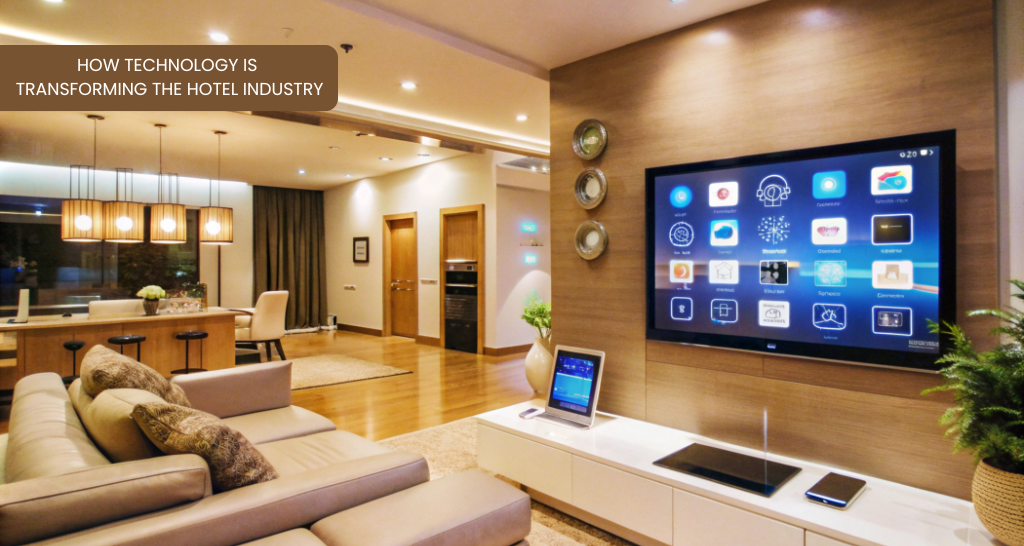
Moreover, the integration of smart room controls has emerged as a key innovation that personalizes the guest experience. These systems enable guests to adjust lighting, temperature, and entertainment systems through their smartphones or in-room tablets, providing a customized environment to suit individual preferences. Such levels of control not only enhance comfort but also foster a sense of ownership during their stay.
In addition to room management, chatbots and artificial intelligence (AI) have become essential tools for customer service in hotels. These technologies provide immediate assistance to guests, addressing inquiries and booking requests in real time. For instance, guests can engage with chatbots to receive recommendations for dining or local attractions, thereby personalizing their experiences further. This 24/7 availability enhances guest satisfaction and reduces the workload on front desk staff, allowing them to focus on more complex needs.
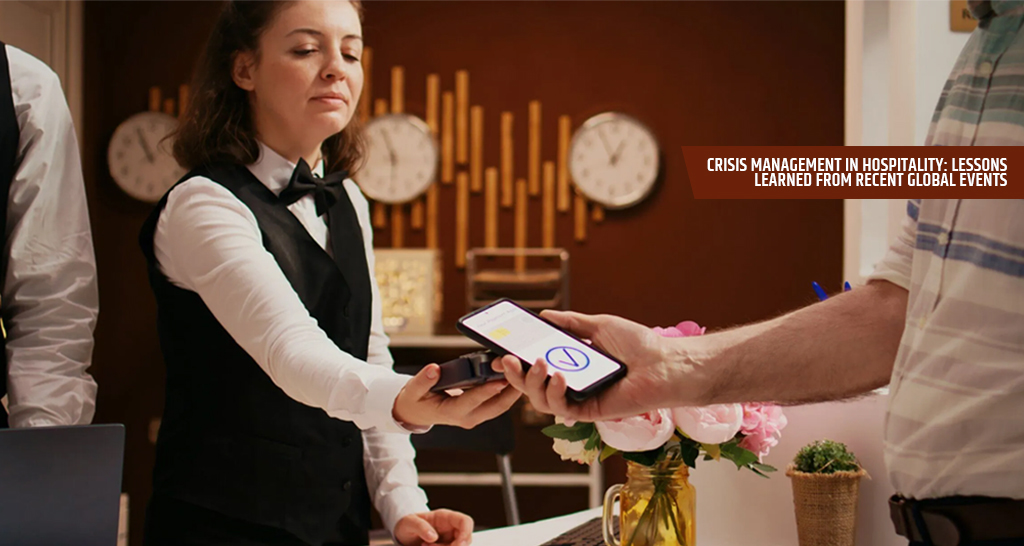
The implementation of mobile check-ins represents another facet of technological evolution in the hotel sector, streamlining the arrival process significantly. Guests can check in and access their rooms using their smartphones, minimizing wait times and allowing for a seamless transition into their accommodations. This capability not only enhances convenience but also fosters a more efficient operational flow within hotels. By leveraging technology in these various ways, hotels can ensure that guest experiences are not only satisfactory but also memorable.
Sustainability and Technology in Hotels
The integration of technology within the hotel industry proves to be a powerful ally in the pursuit of sustainability. As environmental concerns take center stage, hotels across the globe are increasingly adopting innovative solutions aimed at minimizing their carbon footprint. Energy management systems (EMS), in this regard, have emerged as a fundamental tool in optimizing energy usage and enhancing efficiency. By utilizing sophisticated algorithms and real-time data analytics, EMS enables hotels to monitor energy consumption patterns and implement energy-efficient strategies. This not only leads to significant cost savings but also contributes to the overall reduction of greenhouse gas emissions.
Additionally, waste reduction technologies are becoming essential in the hospitality sector. The application of smart waste management systems allows hotels to better manage waste by implementing data-driven approaches to recycling and composting. By tracking waste production and disposal methods, these systems facilitate targeted initiatives aimed at reducing overall waste generation. Training staff and informing guests about waste reduction practices further enhances these efforts, leading to a more environmentally conscious hotel operation.
Moreover, digital solutions such as online booking platforms and mobile applications can enhance sustainability by empowering guests to make eco-friendly choices during their stay. For instance, hotels can incentivize guests to opt for digital check-ins and check-outs, thereby reducing the need for printed materials. Furthermore, promoting available sustainability initiatives—ranging from laundering towels only upon request to utilizing renewable resources for energy—can encourage guests to participate in these green practices while enjoying their stay. Through the continual integration of technology, the hotel industry is converging towards operational practices that not only enhance guest experiences but also prioritize environmental stewardship.
Data Security and Privacy Concerns
The integration of technology into hotel operations has led to numerous advancements in guest services and operational efficiency. However, this transformation also poses significant challenges regarding data security and privacy. With the increasing reliance on digital solutions to manage reservations, payments, and personal information, hotels must navigate a complex landscape of data protection regulations and threats.
Guest data, which includes sensitive information such as credit card details and personal identification, is vulnerable to cyberattacks. These incidents can lead to unauthorized access, data breaches, and potential financial loss for both the hotel and its customers. Moreover, the implications of such breaches go beyond immediate financial repercussions; they can damage a hotel’s reputation and erode customer trust. Therefore, safeguarding guest information is paramount to ensuring a secure and trustworthy hotel experience.
Hotels can implement several strategies to bolster data security and privacy. One essential measure is the use of encryption technologies to protect sensitive data during transmission and storage. Additionally, adopting comprehensive cybersecurity protocols, such as regular software updates and employee training on data handling best practices, can mitigate the risk of breaches. Implementing strong access controls and using secure payment gateways are other critical steps in enhancing data protection.
Furthermore, hotels should remain informed about evolving data protection laws and frameworks, such as the General Data Protection Regulation (GDPR) and the California Consumer Privacy Act (CCPA), ensuring compliance with relevant requirements. By prioritizing data security and privacy, hotels can not only protect their guests but also enhance their operational resilience in an increasingly technology-driven world.
Trends in Hotel Technology
In recent years, the hotel industry has experienced significant technological advancements that are reshaping the guest experience and operational efficiencies. One of the most notable trends is the rise of contactless services, driven by the need for health and safety during the COVID-19 pandemic. Hotels are increasingly adopting mobile check-in/check-out options, allowing guests to bypass front desk interactions entirely. This practice not only enhances convenience but also minimizes physical contact, catering to health-conscious travelers.
Another transformative trend in hotel technology is the integration of virtual and augmented reality (VR and AR) in marketing strategies. Hotels are utilizing VR tours, enabling potential guests to explore accommodations and amenities from the comfort of their homes. This immersive experience not only creates excitement but also aids in informed decision-making, ultimately increasing booking conversions. Additionally, AR applications are being utilized to enhance the on-site guest experience. For instance, guests can use their smartphones to view information about facilities or local attractions by scanning images or logos, creating an interactive and informative environment.
The adoption of Artificial Intelligence (AI) is another significant trend, helping hotels optimize operations and personalize guest experiences. AI-driven chatbots are being integrated into customer service platforms, providing instant responses to guest inquiries and allowing staff to focus on more complex requests. Furthermore, data analytics are being employed to tailor marketing efforts based on guest preferences and behaviors. This capability provides insights that allow hotels to create customized experiences and promotions, driving customer loyalty.
These trends indicate a future where technology seamlessly integrates into the hospitality sector, enhancing efficiency and personalizing guest interactions. As contactless solutions, virtual and augmented reality, and AI continue to evolve, they will likely define the next generation of hotel experiences, setting new industry standards and expectations for both travelers and hotel operators.
Case Studies of Innovative Hotels
In the ever-evolving landscape of the hotel industry, several establishments have emerged as leaders in technology integration, enhancing both operational efficiency and guest experiences. One prominent example is the Marriott International. The hotel chain has significantly adopted mobile technology, allowing guests to check in and out via their smartphones. This digital convenience not only reduces wait times but also enhances the overall guest experience during the stay. Furthermore, Marriott’s mobile app provides personalized recommendations and access to loyalty program benefits, creating a tailored experience that resonates well with modern travelers.
Another notable case is the use of artificial intelligence (AI) by Hilton. The Hilton Honors app utilizes AI-driven features such as voice-activated room controls and virtual concierge services. These innovations empower guests to control room settings, like lighting and temperature, using simple voice commands, thus promoting comfort and accessibility. The introduction of AI chatbots also facilitates prompt responses to guest inquiries, ensuring that service is continuous, efficient, and personalized.
Moreover, the Four Seasons Hotel chain has integrated advanced entertainment systems and smart room technologies. These systems not only allow guests to stream their favorite shows on in-room TVs but also enable seamless control over room functions through voice or remote devices. The use of IoT (Internet of Things) devices provides real-time data about guest preferences, enabling staff to customize services to enhance satisfaction.
Each of these examples showcases how pioneering hotels are leveraging technology to transform the guest experience and streamline operations. The successful implementation of these technologies not only improves satisfaction but also enhances brand loyalty, proving that innovation in the hotel industry is a key driver of business success.
Challenges of Implementing New Technologies
The hotel industry has witnessed a significant transformation due to the advent of new technologies. However, the implementation of these technologies is not without challenges. One of the most prominent hurdles is staff training. As hotels adopt advanced systems for reservations, customer service, and management, employees often require extensive training to navigate these platforms proficiently. Insufficient training can lead to underutilization of the technology and may inhibit the anticipated improvement in operational efficiency.
Another common challenge is budget constraints. Upgrading technology can involve considerable investment in hardware and software. Smaller hotels may find it particularly difficult to allocate sufficient funds for these upgrades without compromising other crucial areas such as service quality or maintenance. Hotels can address this challenge by assessing their current technologies and determining what upgrades will provide the highest return on investment.
Resistance to change is a prevalent issue among staff members who are accustomed to traditional methods. Implementing new technologies can evoke apprehension, leading to pushback from employees who may fear that these technologies could replace their roles or complicate their workflow. To mitigate this resistance, hotel management should foster a culture of innovation where employees are encouraged to embrace change. Engaging staff in the selection process of new technologies can also boost their buy-in and facilitate smoother transitions.
Additionally, continuous feedback from staff during and after implementation can help identify issues early, allowing for timely adjustments. By creating comprehensive training programs, carefully managing budgets, and building a receptive workforce, hotels can effectively navigate the challenges of implementing new technologies.
Conclusion: The Future of the Hotel Industry with Technology
The impact of technology on the hotel industry is profound and multifaceted. As we have explored throughout this blog post, advancements ranging from automation and artificial intelligence to mobile applications and sophisticated data analytics are reshaping how hotels operate and interact with their guests. These technologies not only streamline processes but also enhance the overall guest experience, leading to higher satisfaction and loyalty.
Looking ahead, the future of the hotel industry is likely to be characterized by an increased emphasis on personalized guest experiences. Hotels will increasingly leverage big data to tailor offerings and services to individual preferences, thus creating a deeper connection with their clients. The rise of Internet of Things (IoT) devices will further allow for seamless integration of technology in guest interactions, facilitating a more comfortable stay.
Moreover, sustainability is set to become a focal point, with hotels adopting technologies that promote eco-friendly practices. This shift not only appeals to a growing base of environmentally conscious travelers but also aligns with global sustainability trends. Digital solutions such as energy management systems and smart building technologies will play vital roles in reducing operational costs while maintaining a commitment to environmental stewardship.
However, the successful integration of these technologies hinges on the ability of hotels to remain agile and responsive to the rapid pace of technological advancements. Those establishments that proactively adapt to these trends will be better positioned to meet the evolving expectations of their guests. This adaptability is crucial, not only for enhancing guest satisfaction but also for maintaining competitive advantage in an increasingly crowded market.
In conclusion, the transformative impact of technology on the hotel industry is undeniable, and it is clear that the future will demand an ongoing commitment to innovation and adaptation. By embracing these changes, hotels can ensure long-term success and relevance in a dynamic landscape.